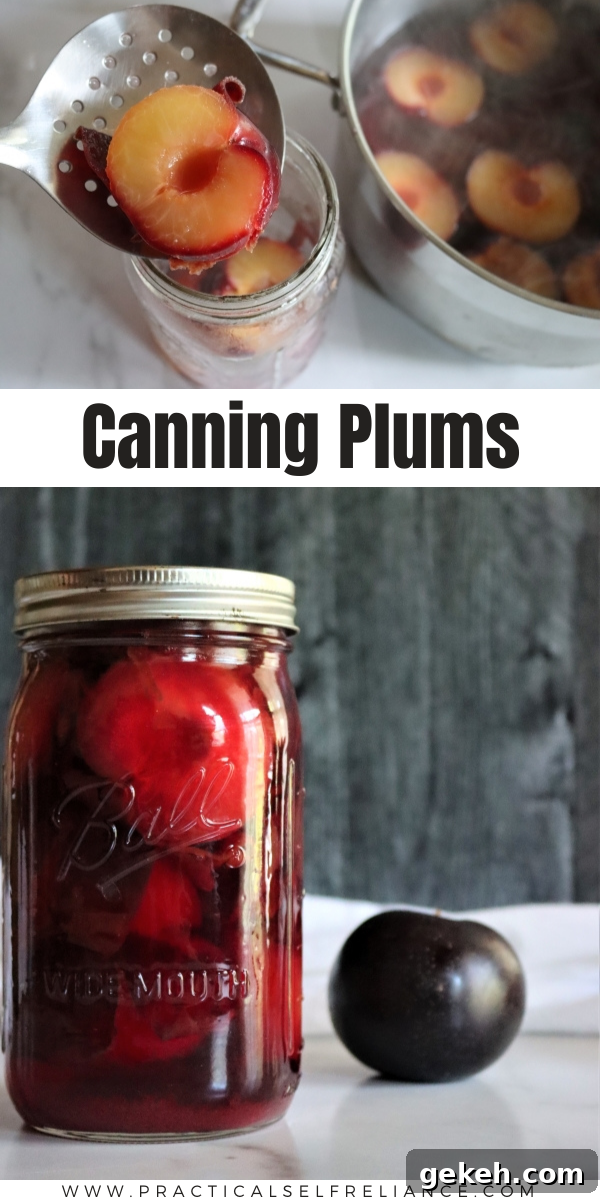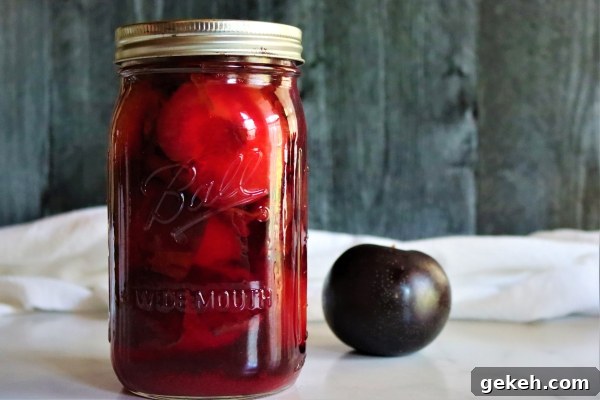
Canning plums is an easy way to preserve fresh fruit for year-round use. Plums can be canned whole or halved (pitted or left with pits) and packed in water, juice, or syrup.
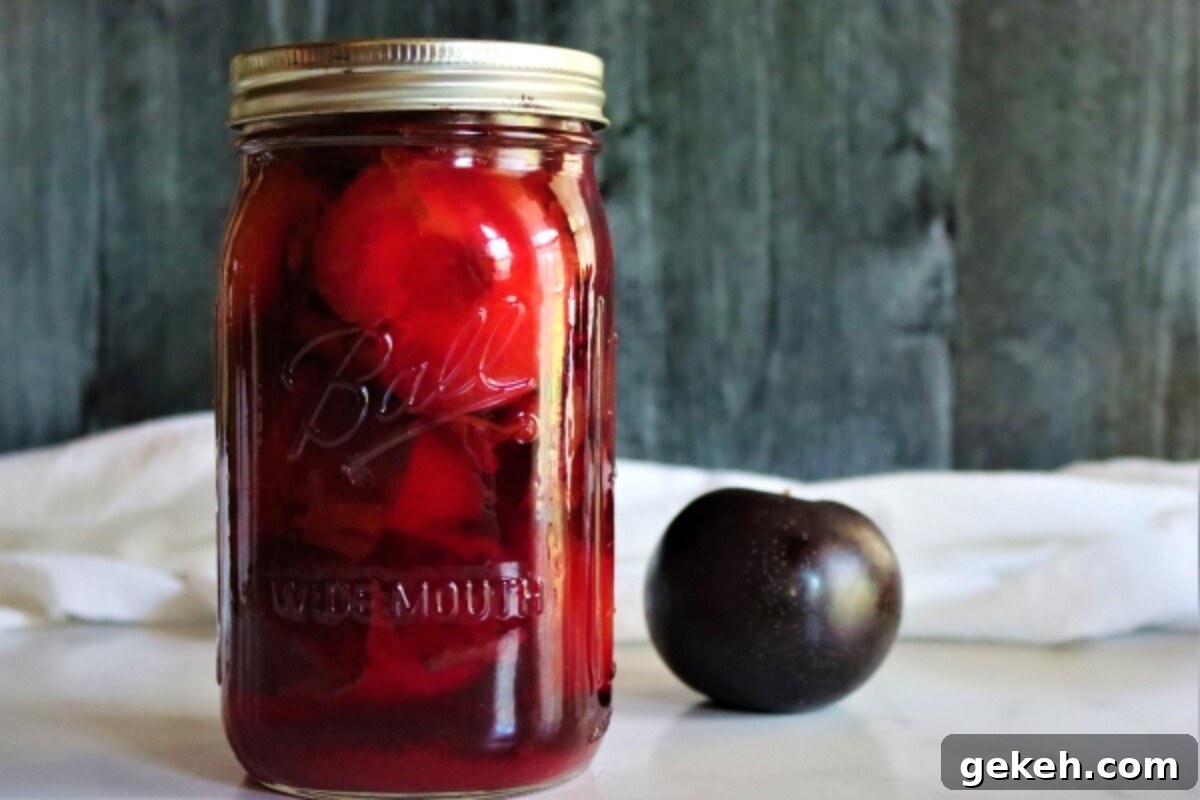
Plums are a reliable and abundant crop for many home growers. They make excellent jam, butter, and even wine, and they’re also wonderful baked into desserts. Because fresh plum season is short, canning is a great way to keep that flavor on the pantry shelf throughout the year.
Choosing & Preparing Plums for Canning
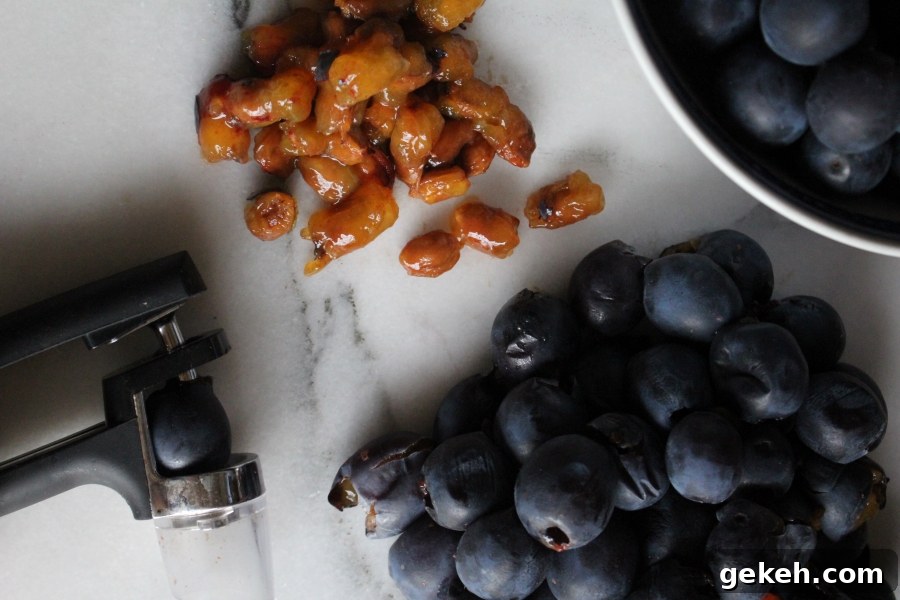
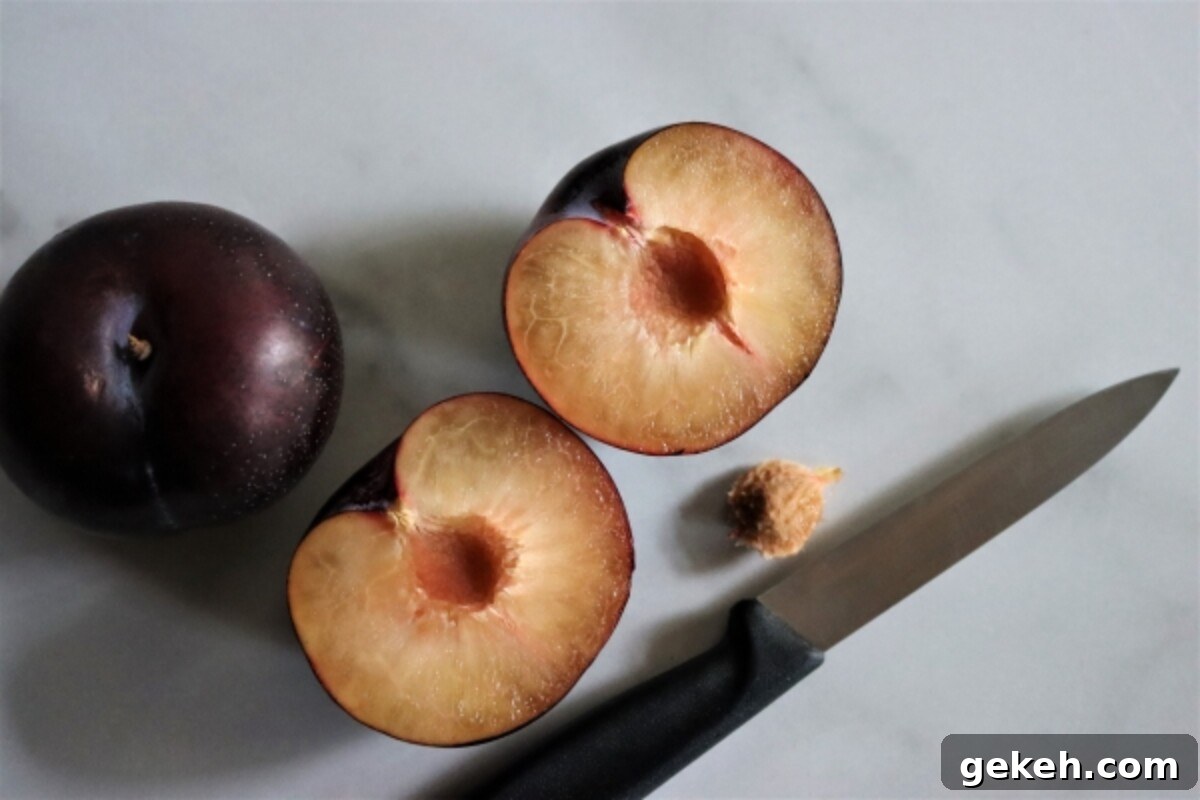
Plums hold up well to canning and retain a pleasantly firm texture compared to some other stone fruits. You can can them whole, with pits intact, which is handy if you have clingstone varieties that don’t pit cleanly. Bear in mind that leaving pits in simply postpones the pitting task until you open the jar.
For small clingstone fruit such as wild plums or damsons, a cherry pitter works very effectively. When canning whole plums, prick the skin with a toothpick, fork, or knife to allow a little expansion and to prevent the skin from splitting during processing.
Freestone plums are easy to prepare: cut in half and remove the pit before packing. Choose fully ripe fruit that is sweet and slightly soft but not overripe or collapsing—ideal eating condition.
Hot Pack or Raw Pack Methods
Plums can be processed either hot-packed or raw-packed. Hot pack usually yields better appearance and helps prevent fruit from floating, but it takes a little more time. Raw pack is quicker but often results in more shrinkage and floating.
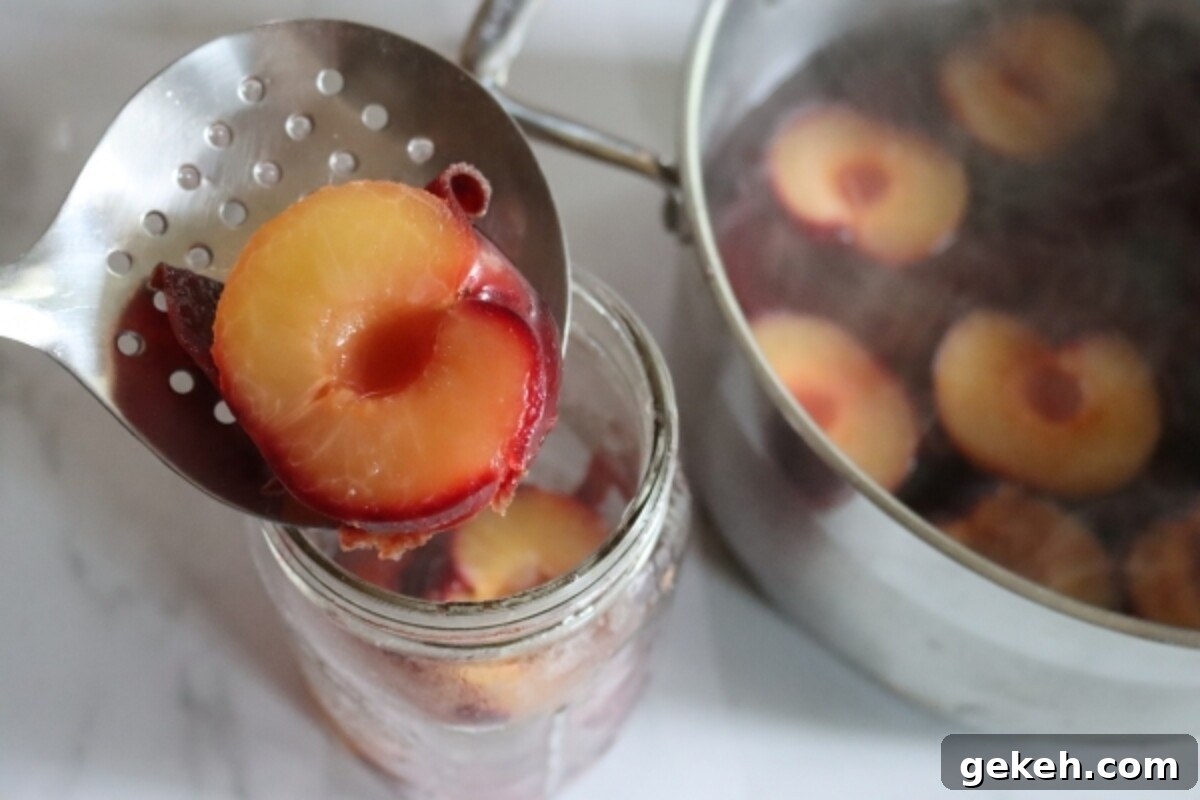
Hot Pack: Bring your chosen canning liquid (syrup, water, or juice) to a boil. Add the prepared plums, return to a boil and cook for 2 minutes. Turn off the heat, cover the pot, and let the fruit sit in the hot liquid for 20–30 minutes to heat through. Pack the hot plums into jars and fill with hot liquid, leaving 1/2 inch headspace.
Raw Pack: Pack prepared raw plums—either whole (with small pricks in the skin) or halved and pitted—directly into jars. Pour hot canning liquid over the fruit leaving 1/2 inch headspace. Raw-packed plums tend to shrink and float more than hot-packed fruit.
Both methods are approved by food preservation authorities; choose the one that fits your priorities for texture and convenience.
Syrup for Canning Plums
You may can plums in plain water, fruit juice, or a sugar syrup. Plain water is fine if you prefer no added sugar, but it can dilute the fruit’s sweetness. Extra light syrup closely matches natural fruit sweetness and is a popular choice.
Suggested extra light syrup for common canner loads: for a 9-pint load use 3/4 cup sugar to 6 1/2 cups water; for a 7-quart load use 1 1/4 cups sugar to 10 1/2 cups water. You can use light, medium, or heavy syrups if you want a sweeter result, or substitute fruit juices, maple syrup, or honey.
How to Can Plums
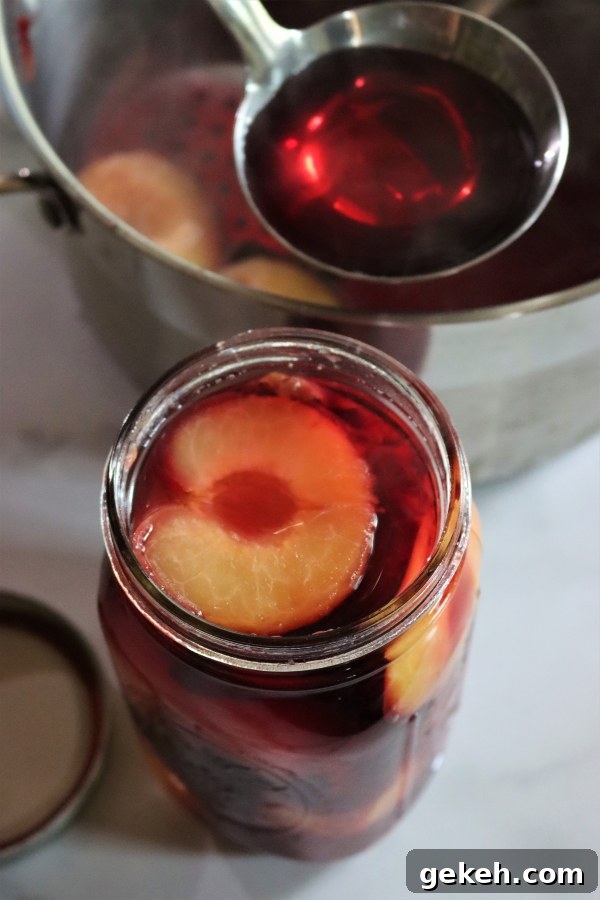
Pack the prepared fruit into sterilized canning jars, hot or raw packed, and ladle hot canning liquid over them, leaving 1/2 inch headspace. Remove air bubbles and adjust headspace if needed. Wipe jar rims, apply two-part lids, and tighten to fingertip-tight.
Process jars in a boiling water bath canner using the following times for safe home preservation (adjust times for altitude):
- Under 1,000 feet: 20 minutes for pints, 25 minutes for quarts
- 1,000–3,000 feet: 25 minutes for pints, 30 minutes for quarts
- 3,000–6,000 feet: 30 minutes for pints, 35 minutes for quarts
- Over 6,000 feet: 35 minutes for pints, 40 minutes for quarts
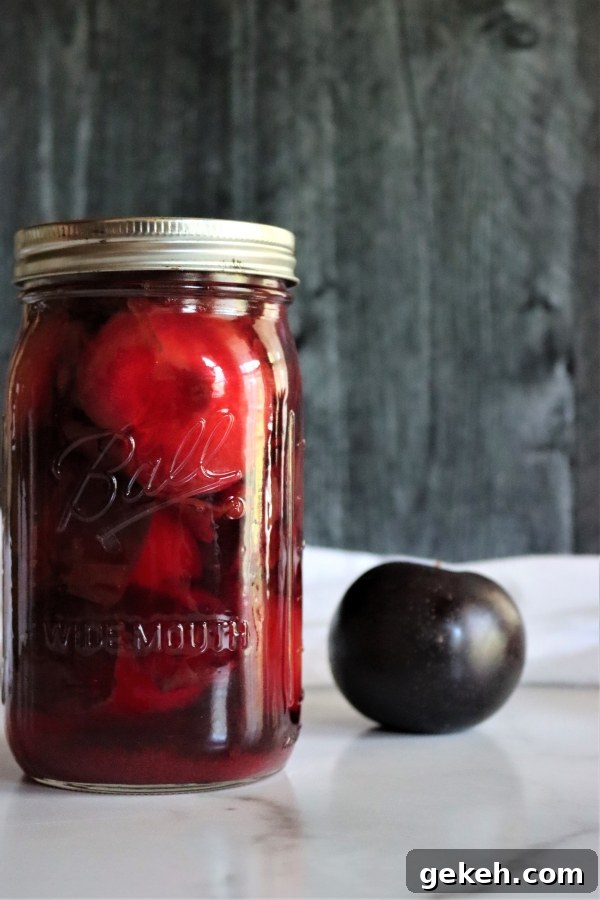
When processing is complete, remove jars and place them on a towel to cool undisturbed. After 24 hours check the seals. Refrigerate any jars that did not seal and use them promptly. Properly processed, sealed jars stay at best quality for 12–18 months when stored in a cool, dark pantry.
Other Ways to Preserve Plums
If you want alternatives to canning, consider making plum jam, drying plums into prunes, or freezing plums for later use. Each method preserves flavor in a different way and suits different recipes and storage preferences.
- Plum jam or preserves
- Drying plums into prunes
- Freezing plums for later baking or cooking
Canning Plums — Recipe Summary
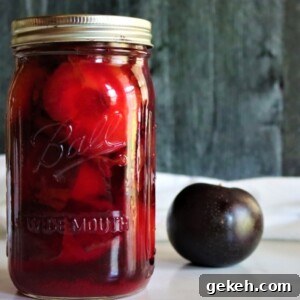
Canning Plums
Prep: 30 mins • Cook: 30 mins • Total: about 1 hour (plus cooling)
Yields: About 2 lb fresh plums per quart jar or 1 lb per pint (varies by plum size and packing method).
Ingredients
- Plums — ripe but firm
- Canning liquid — water, juice, or syrup (see notes above)
Instructions
- Prepare a water bath canner and pre-warm jars.
- Prepare plums: halve and pit freestone fruit, or prick the skin of whole plums if leaving pits in.
- Prepare canning liquid and bring it to a boil.
- Hot pack (recommended): cook plums in boiling liquid 2 minutes, cover and let sit 20–30 minutes, then pack hot into jars. Raw pack: pack prepared raw fruit into jars.
- Ladle hot liquid over fruit, leaving 1/2 inch headspace. Remove bubbles and adjust headspace.
- Apply lids and process in a water bath for the times listed above, adjusting for altitude.
- Cool jars on a towel for 24 hours, check seals, refrigerate any unsealed jars, and store sealed jars in a cool, dark place for 12–18 months.