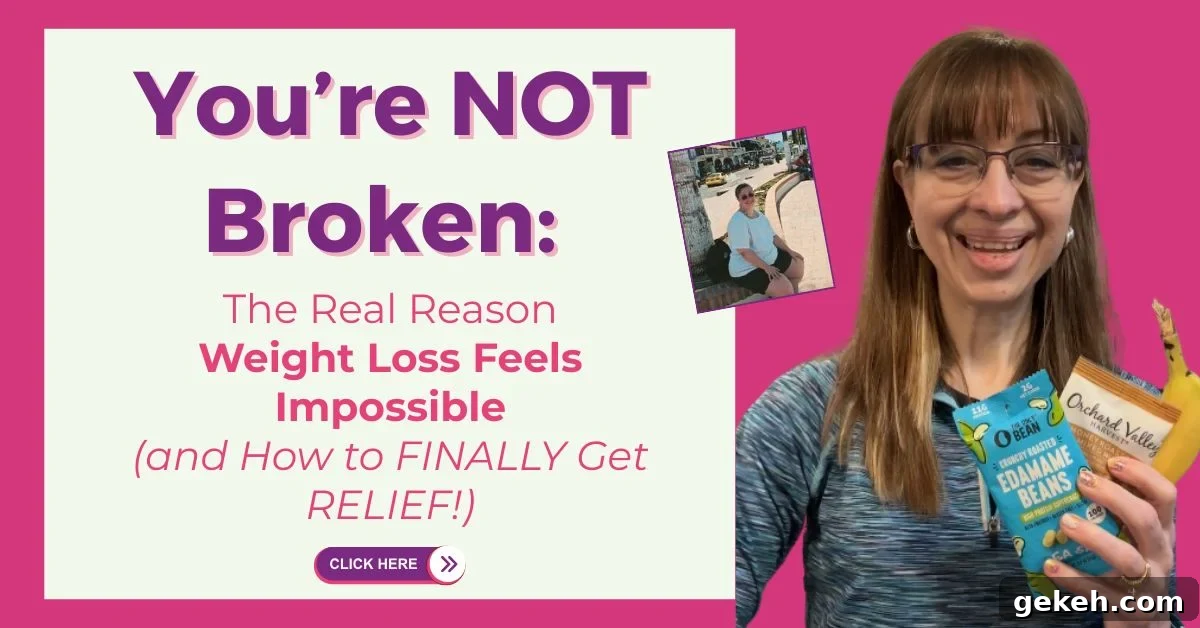
To the outside world, I looked like the ultimate weight-loss success story. I had lost 100 pounds and kept it off for years. I ran 5Ks, then triathlons. It seemed like I had arrived.
Behind the scenes, the reality was very different. For years I still binged, obsessed over food, and reverted to the emotional-eating patterns that had followed me for decades.
If you’ve felt like you’re doing everything right but still can’t lose weight, you aren’t alone. In this article I share why weight loss felt impossible for me (even after years of apparent success), what finally broke the restrict-then-overeat cycle, and how you can find peace with food too.
Heart Check with Sara: From the outside it looked like I had it made, but inside I was still struggling. This is the honest, behind-the-scenes story.
- Achieving a 100 Pound Weight Loss…for 5 Minutes
- My “before” life included…
- A complicated “after”…
- Extreme Exercise is Not the Answer
- Food Problems Will Follow You
- Turning Points and Reality Checks
- Facing the Hard Truth
- Practicing What I Preach
- The Solution Was in Front of Me All Along
- The Biggest Weight Loss Mistake I See
- A Done-With-You Workshop Experience
- Here’s What We’re Fixing (And Why It Finally Works)
Achieving a 100 Pound Weight Loss…for 5 Minutes
I’ve been open about my journey losing 100 pounds. The process included therapy, working through emotional eating, accepting compassion and grace, and confronting patterns of self-sabotage.
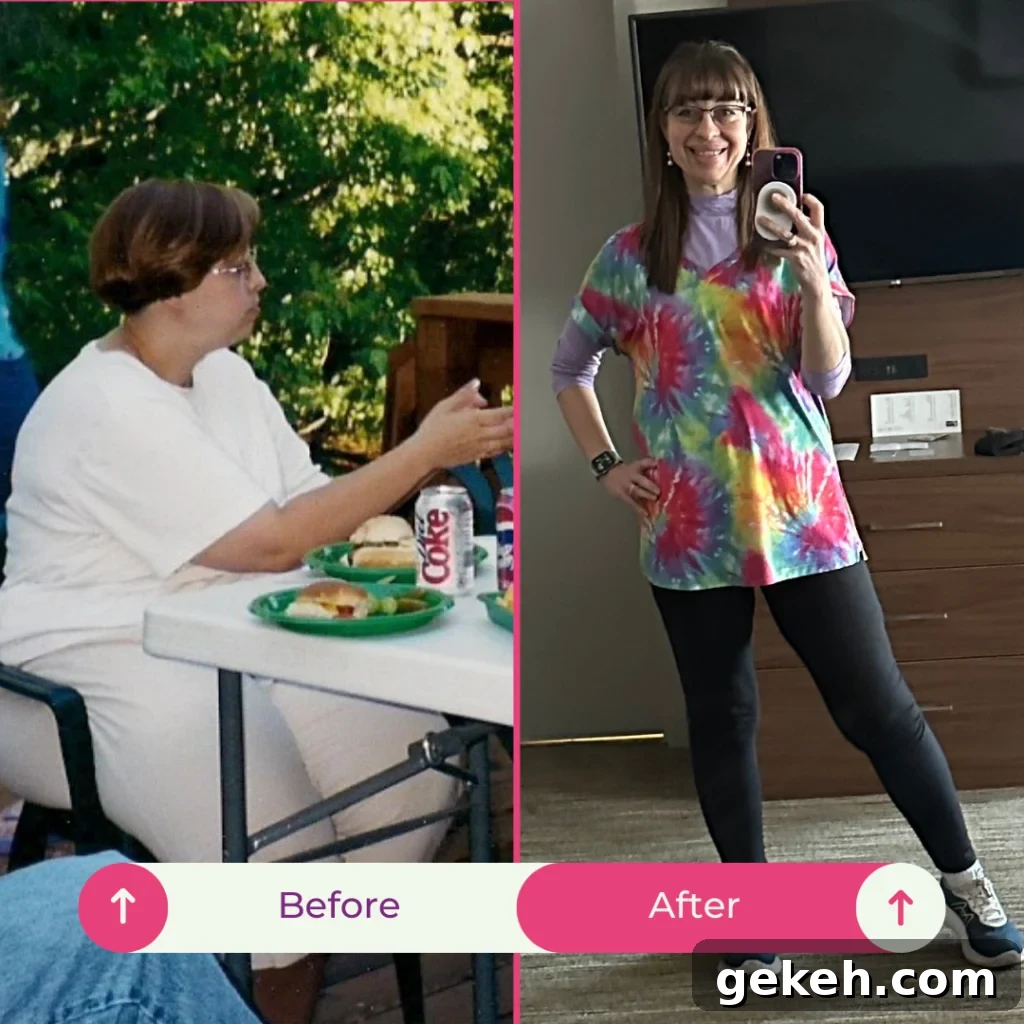
My “before” life included…
- taking care of everyone else while neglecting my own needs
- bingeing and compulsive overeating to the point of feeling sick
- using food to cope when emotions felt too big to handle

With therapy and time, I learned healthier approaches to food. It was a slow, steady change.
A complicated “after”…
After losing 80 pounds I hit a plateau that lasted years — nearly 15 years. By willpower I eventually pushed to 100 pounds down, but I struggled to maintain it. Within weeks I would regain weight and feel like a failure.

Although losing eighty-plus pounds improved my health and habits, my relationship with food still wasn’t where I wanted it to be.
Heart Check with Sara: People told me I should celebrate what I’d done, but I was deeply unsatisfied. I was so close to my ideal yet could not sustain it. I was still engaging in unhealthy food behaviors. Leading others while struggling myself made me feel like a fraud.
Extreme Exercise is Not the Answer
Growing up with shows that glorified extreme workouts taught me that exercise was the cure for any weight issue. So I pushed harder, but you can’t outrun your fork.
Exercise became a way to fill the void and chase new goals. Compliments and accomplishments helped my confidence, so I kept going.
I moved from walking to jogging 5Ks, then half-marathons, joined a women’s triathlon team, rode 200-mile charity events, and completed a Half-Ironman.


Those years brought friendships and confidence, but my weight struggles continued. Being a “plus-sized athlete” kept the focus on body image and food. Intense training increased my appetite and fed a cycle of restriction followed by overeating. I was rarely satisfied and often preoccupied with food.
I still remember being humiliated when someone joked about my midsection before a race. How could that be my “after” success?
Heart Talk with Sara: The truth I couldn’t admit then was that I was still binge eating. It had improved, but it wasn’t gone. I thought about food constantly, overindulged on weekends and holidays, and felt exhausted and bitter. I even regretted not having had surgery because maintaining results felt torturous.
Food Problems Will Follow You
Food issues travel with you — there’s no escaping them. During a difficult season of parenting a child with significant mental health and behavioral needs, our marriage and ministry suffered. My husband accepted a pastoral call in New York, forcing our family to move across the country.
The transition left me lonely, sad, and grieving. Turning to food for comfort felt almost inevitable.

When my weight climbed to a post-weight-loss high of 180 pounds, I knew I had to change. As a weight-loss coach, the extra weight intensified my feelings of failure. I returned to tracking food, prioritizing vegetables at meals, and dropped the “I’m grieving so I can eat whatever” mindset.
Turning Points and Reality Checks
Facing the Hard Truth
Before leaving Colorado I joined a study on weight-loss maintenance. The lead doctor became a mentor and candidly pointed out that my binges and weekend splurges — not a slow metabolism — were keeping me from my goal weight.
I could see the truth but still clung to denial. I believed I had to eat less than others to avoid gaining weight and didn’t realize how that belief fueled the problem.
Practicing What I Preach
While rewriting curriculum for a Christian weight-loss program, my business partner and I followed our own guidelines precisely during a beta test. We emphasized pre-tracking and sticking to the plan. I was shocked to start losing weight. It turned out I wasn’t the “unicorn” with a broken metabolism — I simply wasn’t fully following the basics until then.
Heart Check with Sara: People with weight struggles often have denial about their eating habits. I was no exception. I blamed genes or a set-point rather than acknowledging my behaviors.
The Solution Was in Front of Me All Along
The answer to stepping off the weight-loss roller coaster and calming the food noise was simple in concept but hard in practice: eat more — the right way.
Eating more felt terrifying. My fears included:
- Eating more would mean gaining weight.
- Eating more would use up calories I might “need” later, especially at night.
- My metabolism was broken — eating more wasn’t for me.

Still, I was willing to try, because everything else had failed. The change was gradual: eating more earlier in the day and less at night. My eating smoothed from roller-coaster extremes to a steadier pattern.
- I started eating bigger, balanced breakfasts.
- I ate substantial lunches instead of skimpy diet-style meals.
- I allowed myself occasional real desserts instead of restrictive diet bars.
I returned to therapy to work through bitterness and learned that a high interest in food is often genetic — there was nothing inherently wrong with me. Firm boundaries around food became a strength, not a failure.
Training as a Binge Eating Recovery Coach revealed that many women need far more calories than they expect — often around 2,000 a day or more when they exercise. I learned how undereating leads to overeating and bingeing.
I grieved how many of us are effectively starving in a land of plenty — even while overweight — and discovered better ways to heal.
Heart Check with Sara: Many women blame a lack of willpower, but often they have extraordinary self-control — to the point of living hungry until their body forces a break and the binge cycle resumes. Shame grows, but a solution is available.
The Biggest Weight Loss Mistake I See
In the programs and membership I lead, I often see women logging anorexic-like eating patterns. The greatest mistake I observe is undereating. Our environment of addictive processed foods and busy, isolated lives makes unhealthy patterns easy to fall into.
Medications and injections like GLP-1s can be one tool for managing cravings and the food noise, but they aren’t the only route. Whether or not you choose medication, fixing eating habits is essential.
If you’ve felt stuck or overwhelmed by weight loss, this approach might help.
Introducing…
If you’ve ever tried to lose weight and still felt stuck, this is for you.
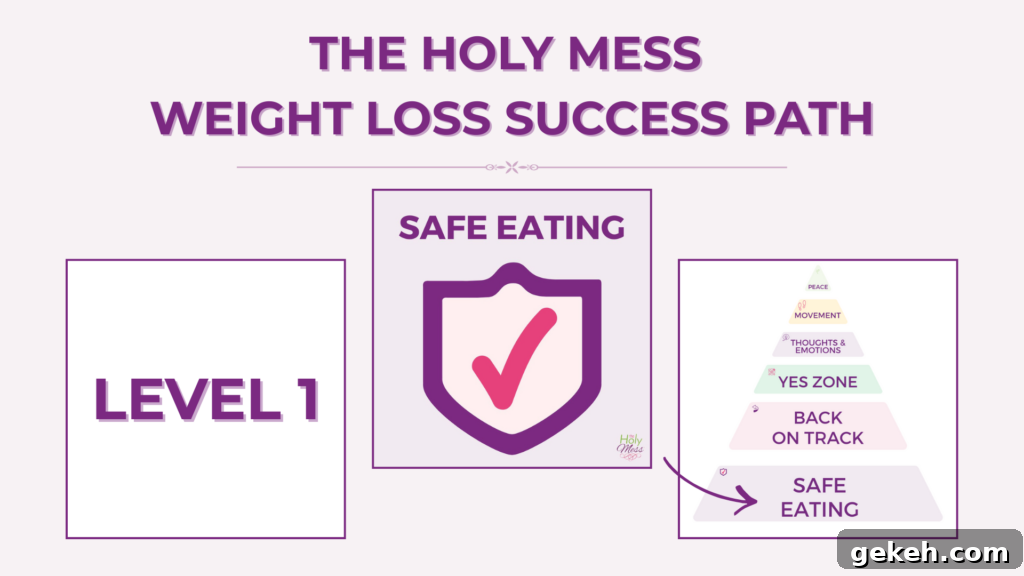
I’m offering a new weight-loss experience: S.A.F.E. Eating course (Level 1 of The Holy Mess Success Path).
A Done-With-You Workshop Experience
In this course you’ll learn practical, evidence-informed steps to:
- Fix Your Struggle: Understand why weight loss feels so hard and the overlooked solution.
- Fix Your Willpower: Build a daily routine that works even when motivation fades.
- Fix Your Stuck Scale: Learn why weight stalls happen and what to do differently.
- Fix Mealtime Overwhelm: Make healthy eating simpler and less stressful.
- Fix Holiday Weight Gain: Enjoy celebrations without the January regret.
Here’s What We’re Fixing (And Why It Finally Works)
In live, interactive workshops (no social media skills required), we address the core issues that keep people stuck:
- The constant mental tug-of-war around food — and how to end it.
- The myth that more willpower is the only answer, and what actually helps.
- The overwhelm of tracking and planning that still leads to plateaus — and simpler, effective alternatives.
- The exhausting on-again, off-again cycle — and how to step off the roller coaster for good.
This isn’t just another plan. It’s focused on repairing what’s broken so you can reach your goal weight and keep it there.
Do you relate to these struggles? Share in the comments — it helps to know we’re not alone.
S.A.F.E. Eating – Level 1 (Previously Forever Fix)
S.A.F.E. Eating is the foundation of The Holy Mess framework for weight loss. This course contains core lessons that form Level 1 of the Success Path. If you previously purchased the earlier version, you already have this content.
Buy Now