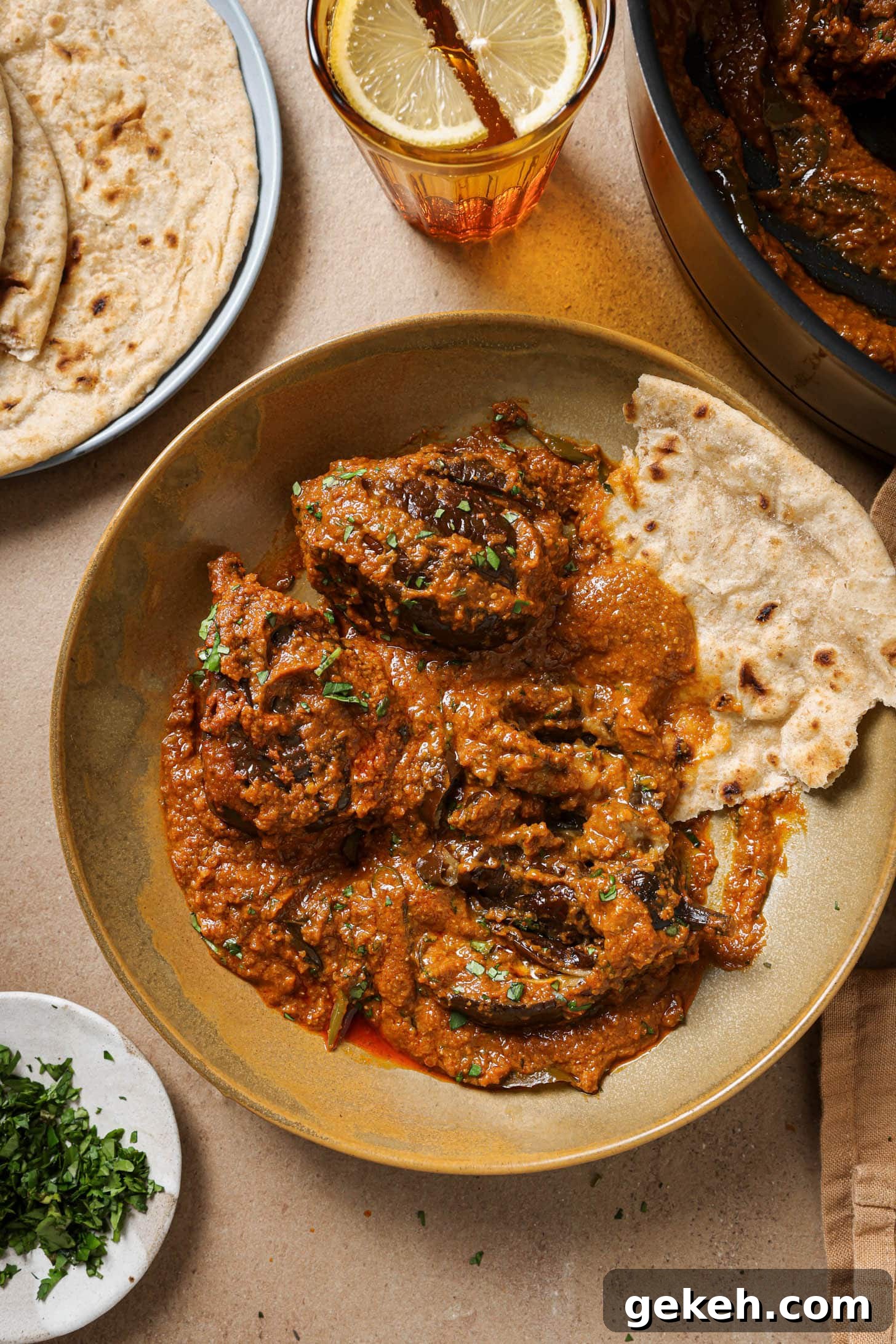
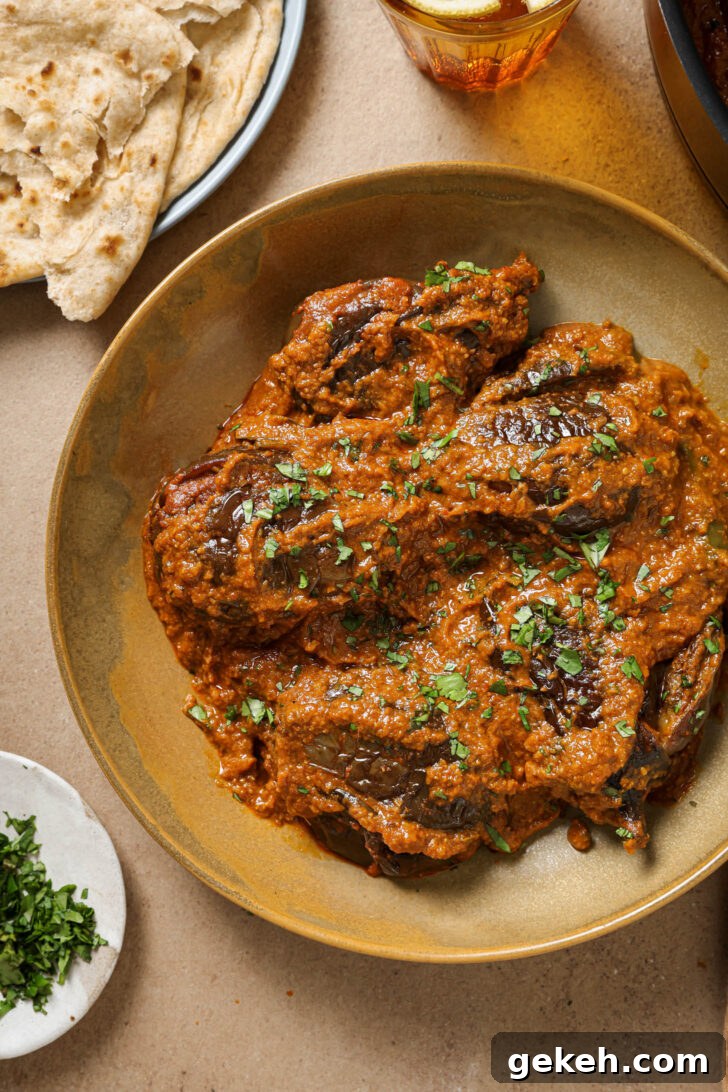
Bagara Baingan, pronounced “Baghaar-e-baingan,” is a Hyderabadi eggplant curry built on a toasted mixture of peanuts, seeds, and dried coconut that gives the dish its deep, layered flavor and silky texture. It balances savory, mildly spicy, and slightly sweet notes while delivering tender baby eggplants that soak up the masala. This simplified version is straightforward, impressive, and ready in about an hour.
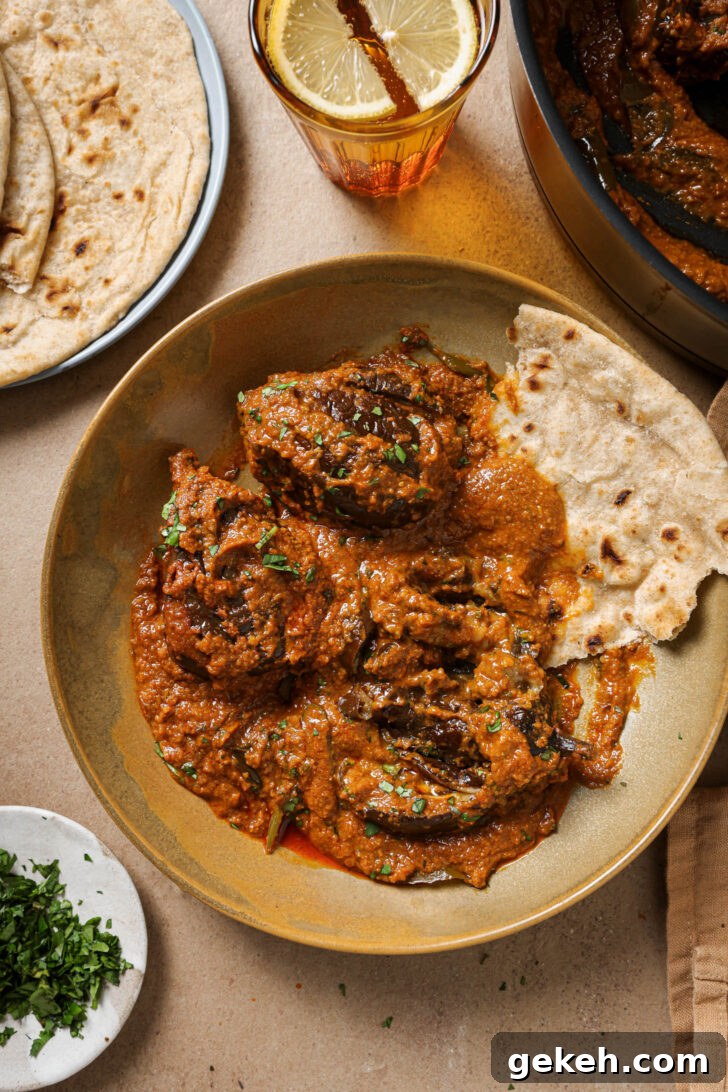
Bagara Baingan – A South Indian Eggplant Dish
If you haven’t tried Bagara Baingan, you’re missing a unique eggplant preparation. Originating in Hyderabadi cuisine, the dish is distinctive for its nutty coconut-peanut base and the way the masala clings to small, slit eggplants. Over the years I’ve adapted different versions—home recipes, catering versions, and classic preparations—until I settled on a streamlined method that preserves the traditional flavors while saving time and effort.
This version keeps the signature coconut-peanut-sesame base but uses practical shortcuts: tamarind paste instead of a tamarind block, canned tomato purée for consistent body and color, browning the onions while frying the eggplant, and blitzing the masala in a small blender for a velvety finish. The result is rich and nuanced, with minimal fuss.
Ingredients
This recipe uses common and specialized ingredients. Many items can be found at an Indo-Pak grocery; substitutions are suggested where helpful.
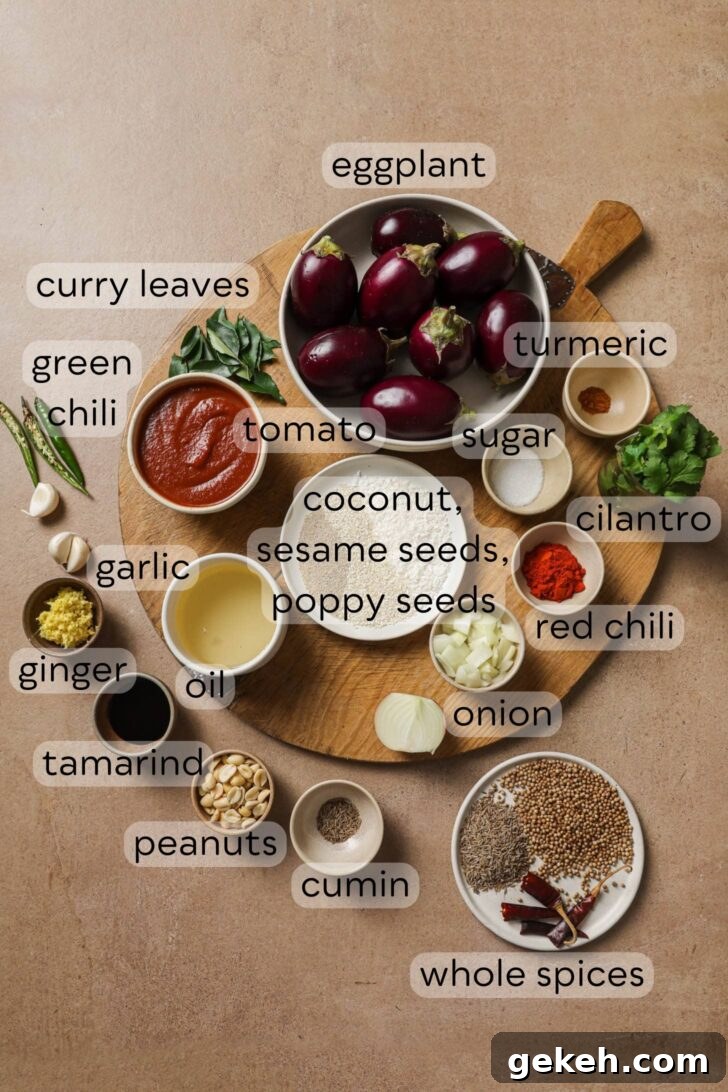
- Baby eggplant: Small Indian eggplants are ideal because they cook evenly and hold their shape. If unavailable, use long Chinese eggplant sliced into thick pieces; avoid large globe eggplants unless you prefer a softer texture.
- White poppy seeds (khashkhash): Provide subtle nuttiness and texture. If you can’t find them, substitute raw cashews or omit—your masala will still be tasty.
- Tomato purée or sauce: Not traditional, but it adds body and concentrated tomato flavor. You can substitute 1–2 puréed Roma tomatoes if preferred.
How to Make Bagara Baingan
Bagara Baingan is a process of layering flavor: toast the spices and nuts, blend a smooth masala, temper spices, fry the onion-eggplant mixture, then simmer gently so the eggplants absorb the sauce. Prepare ingredients ahead for an efficient workflow.
Toast the dry masala base:
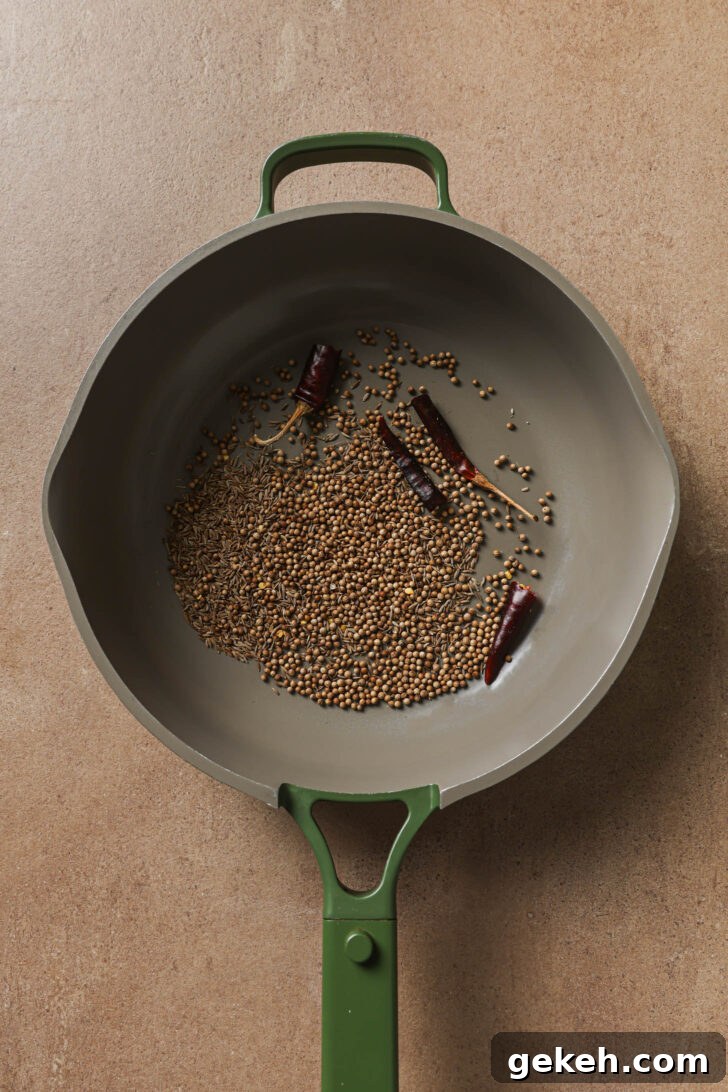
- Toast whole spices (coriander seeds, cumin seeds, dried whole chiles) until aromatic and slightly darkened. Avoid over-browning to prevent bitterness. Transfer to a plate to cool.
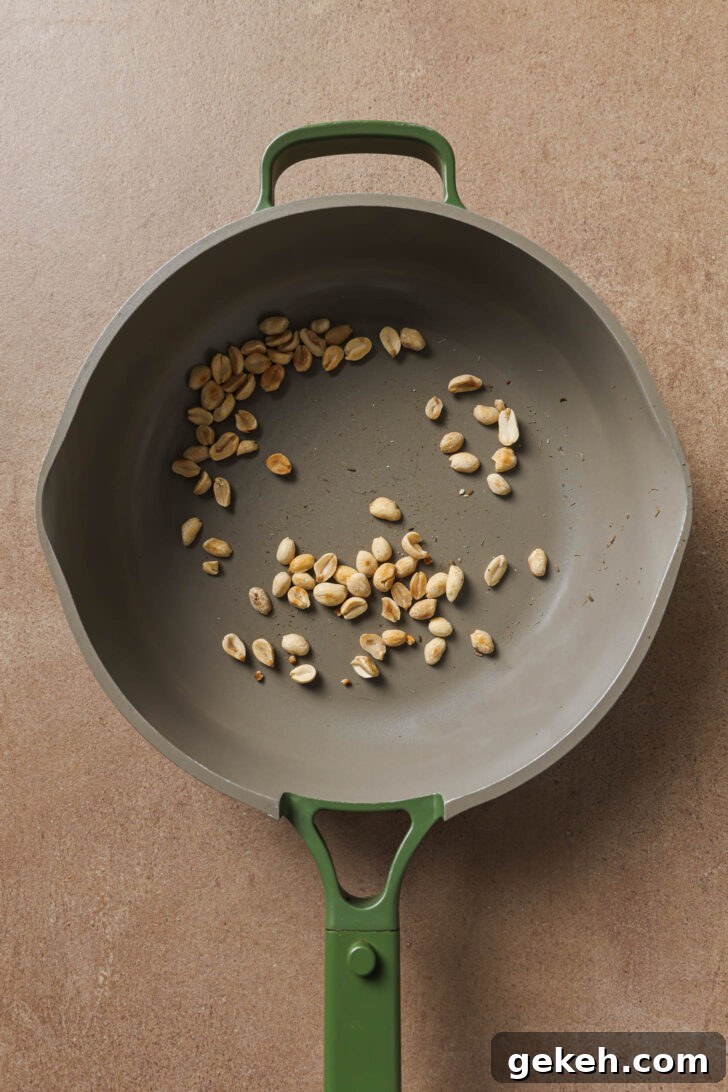
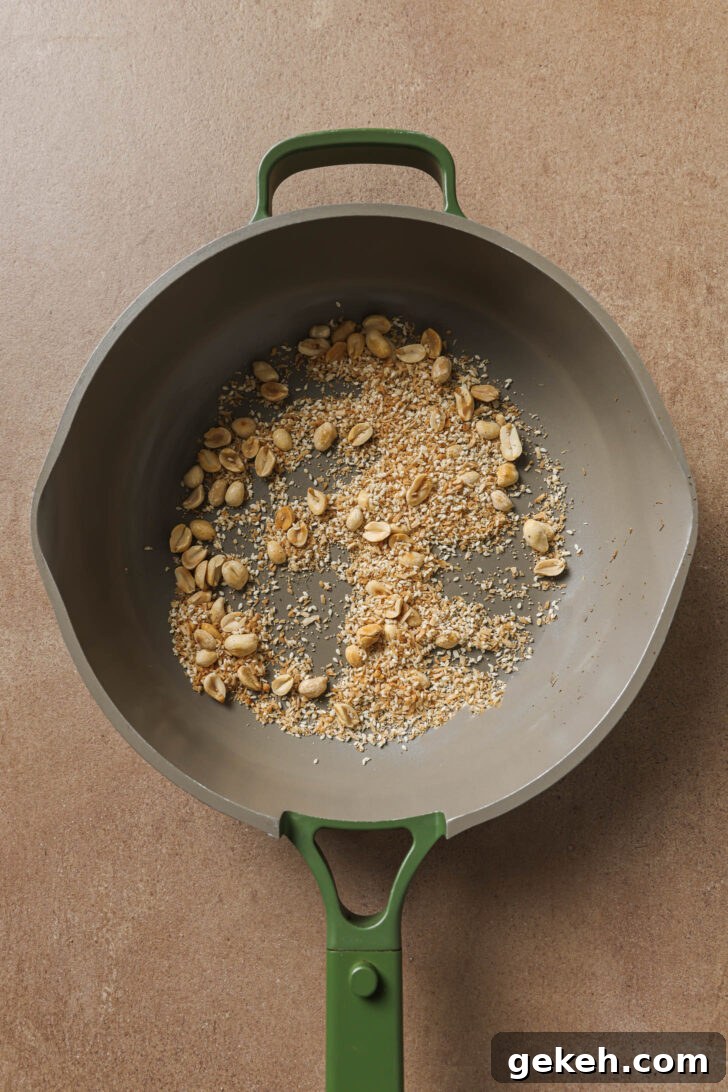
- In the same pan, toast raw peanuts until lightly golden. Add desiccated coconut, sesame seeds, and poppy seeds (or cashews) and toast until the coconut takes on a light golden color and the poppy seeds crackle. Remove from heat and cool.
Prepare the eggplants:
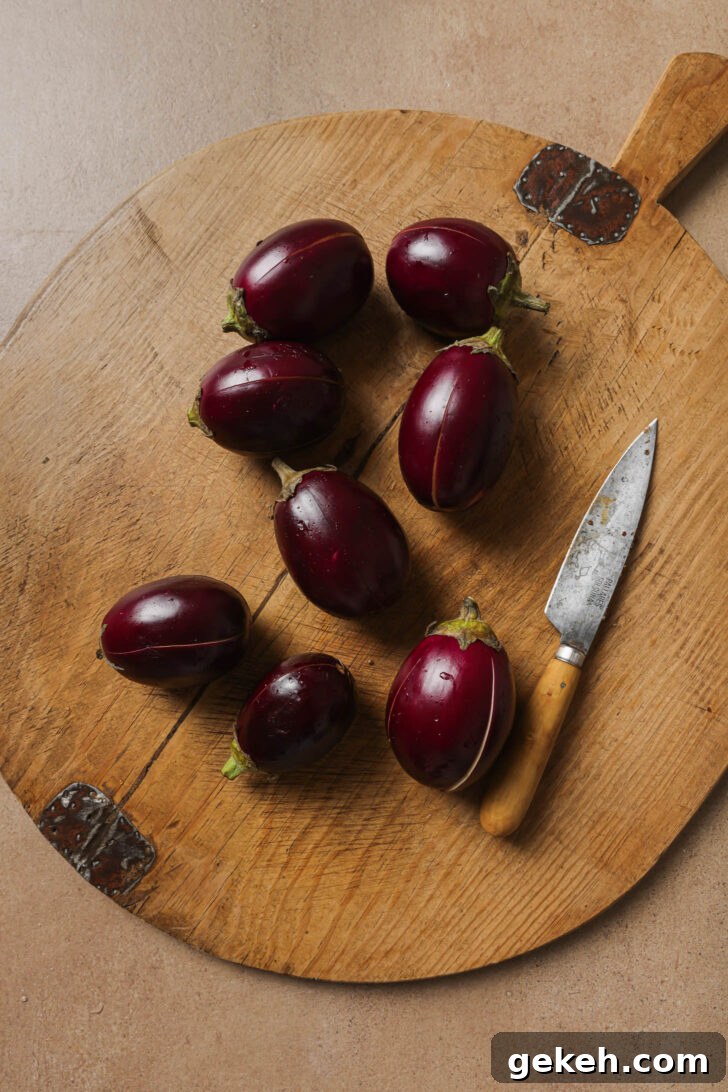
- Slit each baby eggplant lengthwise in a crisscross pattern almost up to the stem so the masala can penetrate without the vegetable falling apart.
Make the masala base:
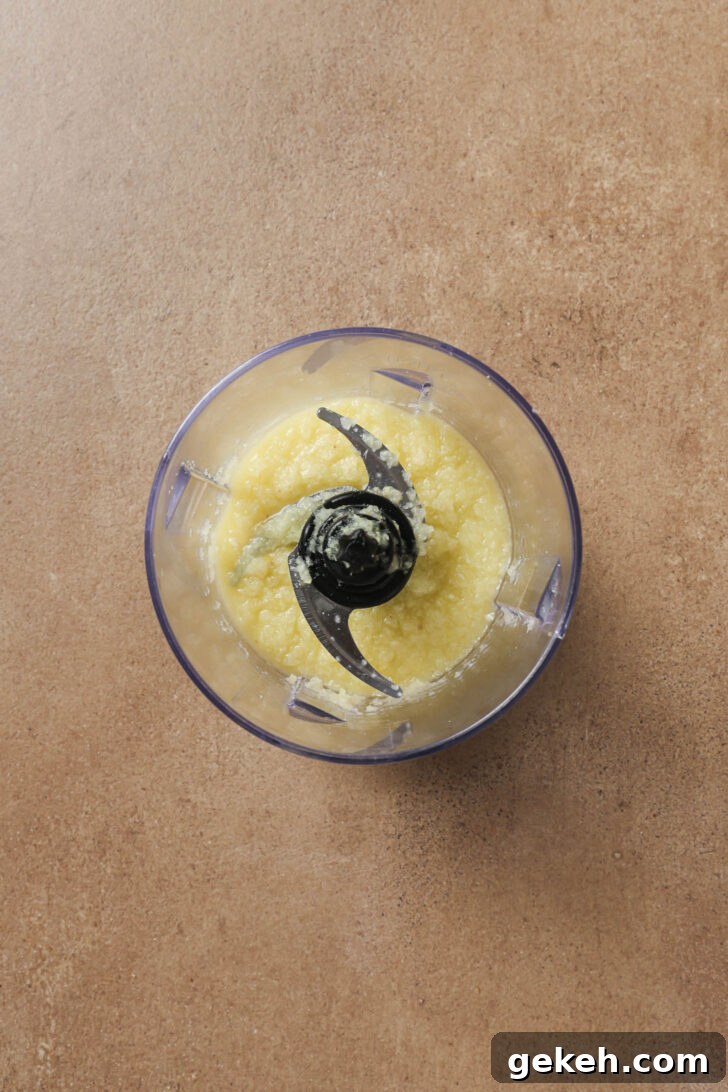
- Blend onion, garlic, and ginger with a tablespoon or two of water into a smooth paste. Use as little water as necessary so the onions will brown when cooked.
- In the blender, combine the toasted whole spices, the nut/seed mixture, tomato purée, and a little water. Blend until very smooth—this paste should be velvety to give the curry its signature texture. If your blender struggles with dry spices, grind them separately first.

Cook the masala and eggplants:
- Heat a generous amount of neutral oil in a heavy-bottomed pan. Add cumin seeds and curry leaves and let them sputter for a few seconds (watch that the leaves do not darken).
- Add the onion paste and fry, stirring, until it becomes translucent and begins to color. Add the eggplants and fry, stirring carefully, until their skin changes color and puckers slightly.
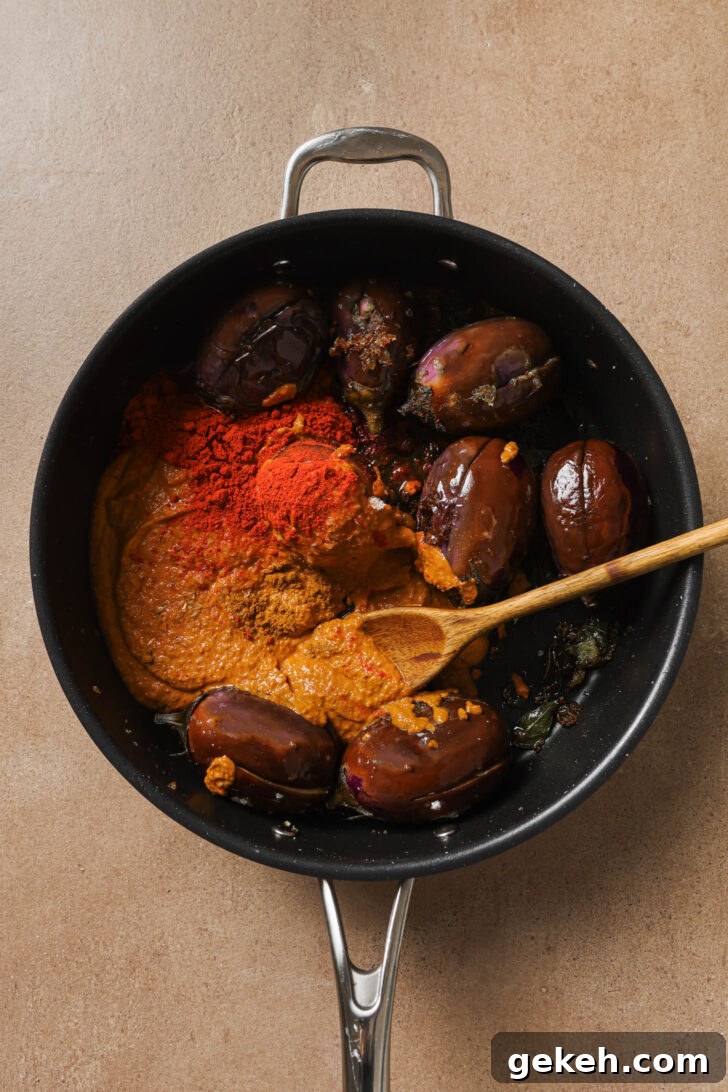
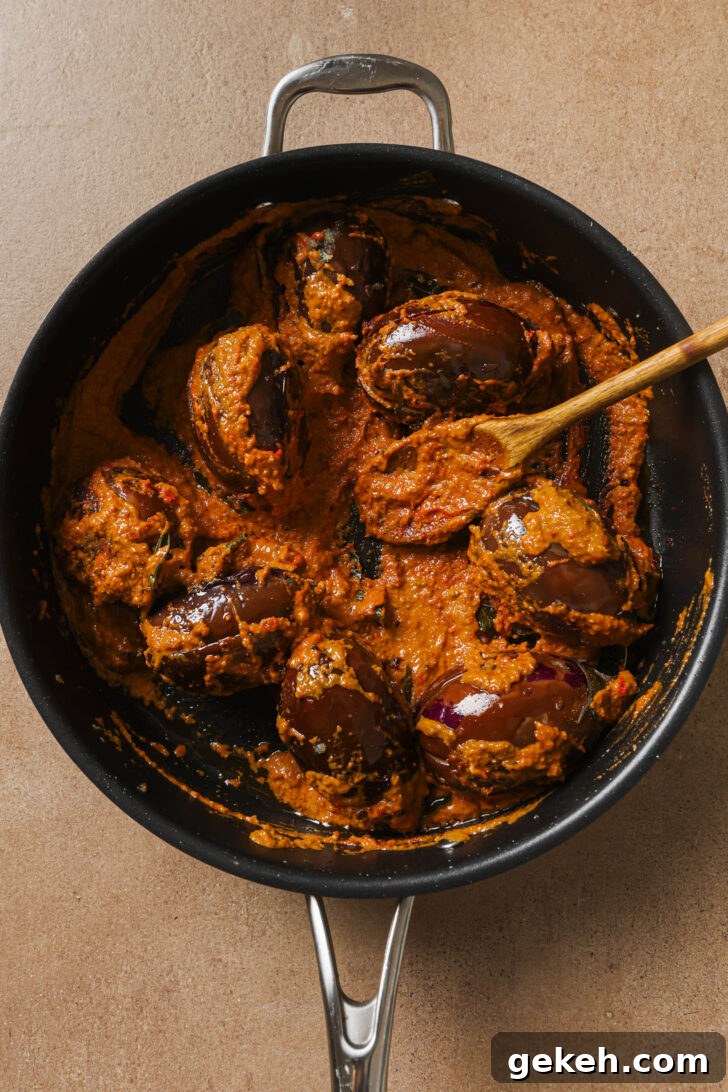
- Stir in the blended masala paste, ground spices (mild Kashmiri chili for color, regular chili powder for heat, and turmeric), salt, and water. Fry gently for a few minutes to cook down the masala and bloom the spices. Keep stirring gently so the eggplants stay intact.
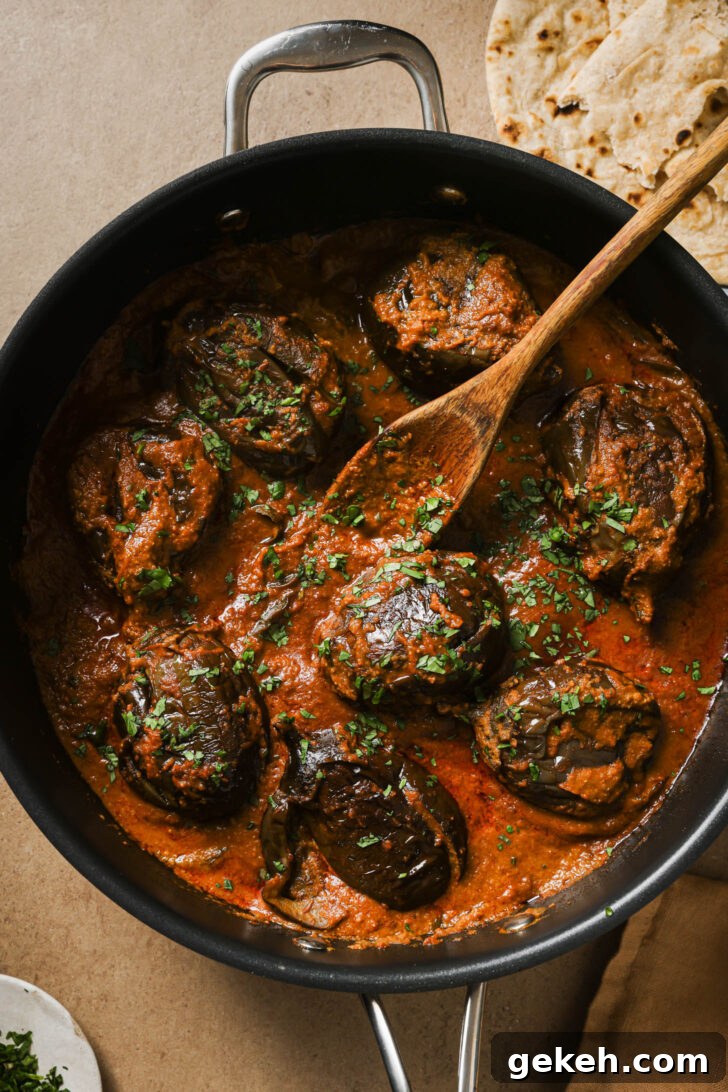
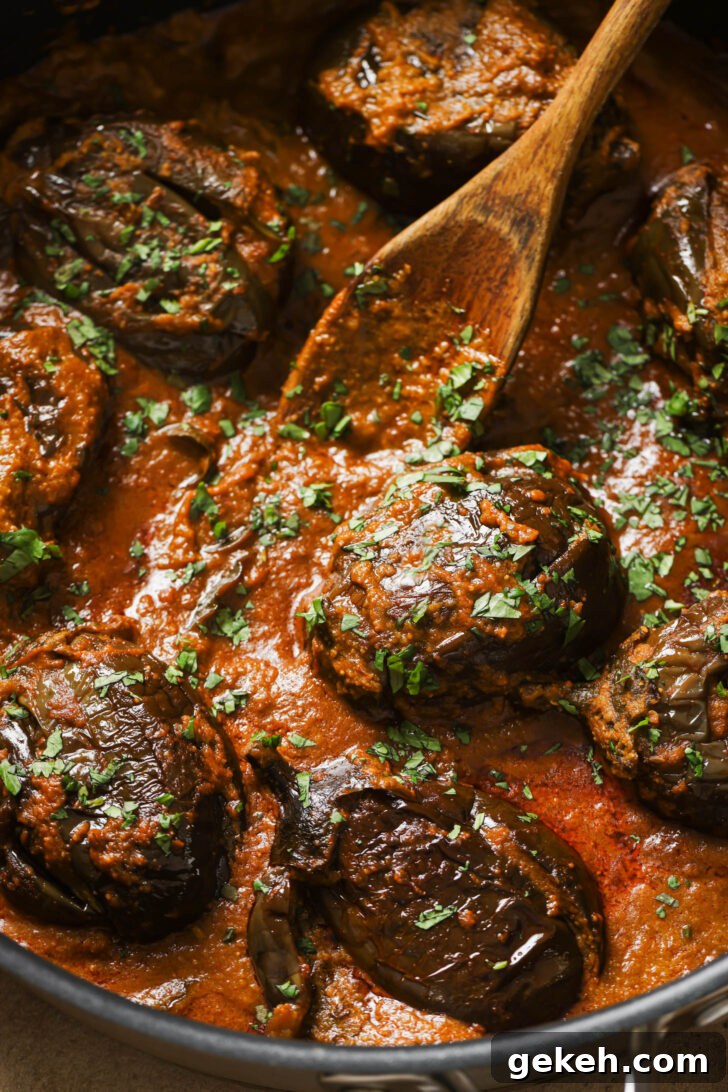
- Cover and simmer on medium-low until the eggplants are very tender but whole, usually 25–30 minutes depending on size. The oil should separate and rise to the top as the curry finishes.
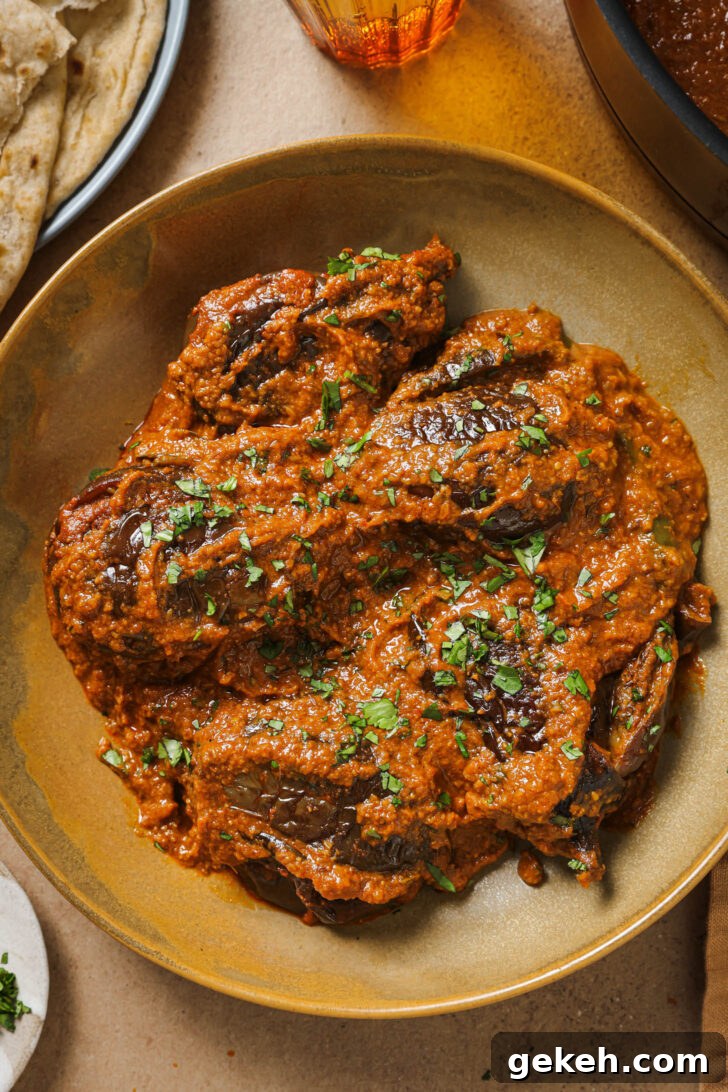
- Finish by adding slit serrano pepper(s), tamarind paste, and sugar. Mix gently, taste, and adjust tang or sweetness. If you prefer a saucier dish, add a splash of hot water and simmer briefly until the oil rises again. Garnish with cilantro and serve.
What to Serve It With
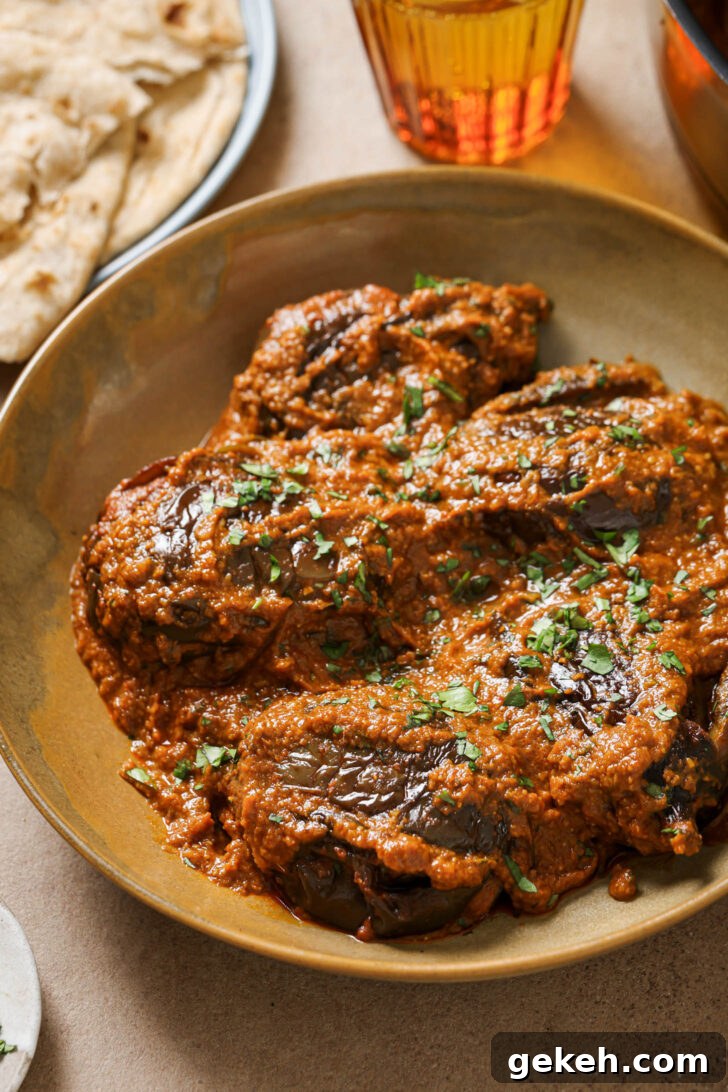
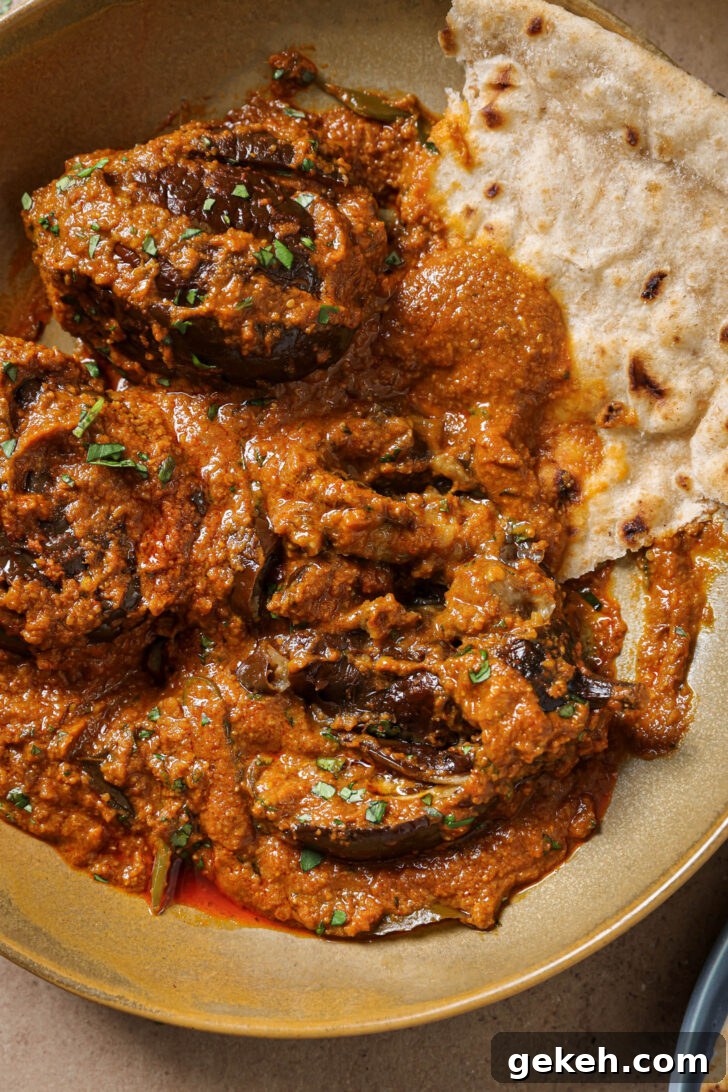
Bagara Baingan is relatively dry and masala-forward, so it pairs perfectly with roti, naan, or plain basmati rice. It’s often served alongside biryani or pulao in larger spreads, but it also works well as the main vegetable course with any flatbread or steamed rice.
Tried this recipe? If you make it, please leave a comment with your feedback or upload a photo. I love seeing variations and hearing how you adjusted the flavors—thank you for trying it!