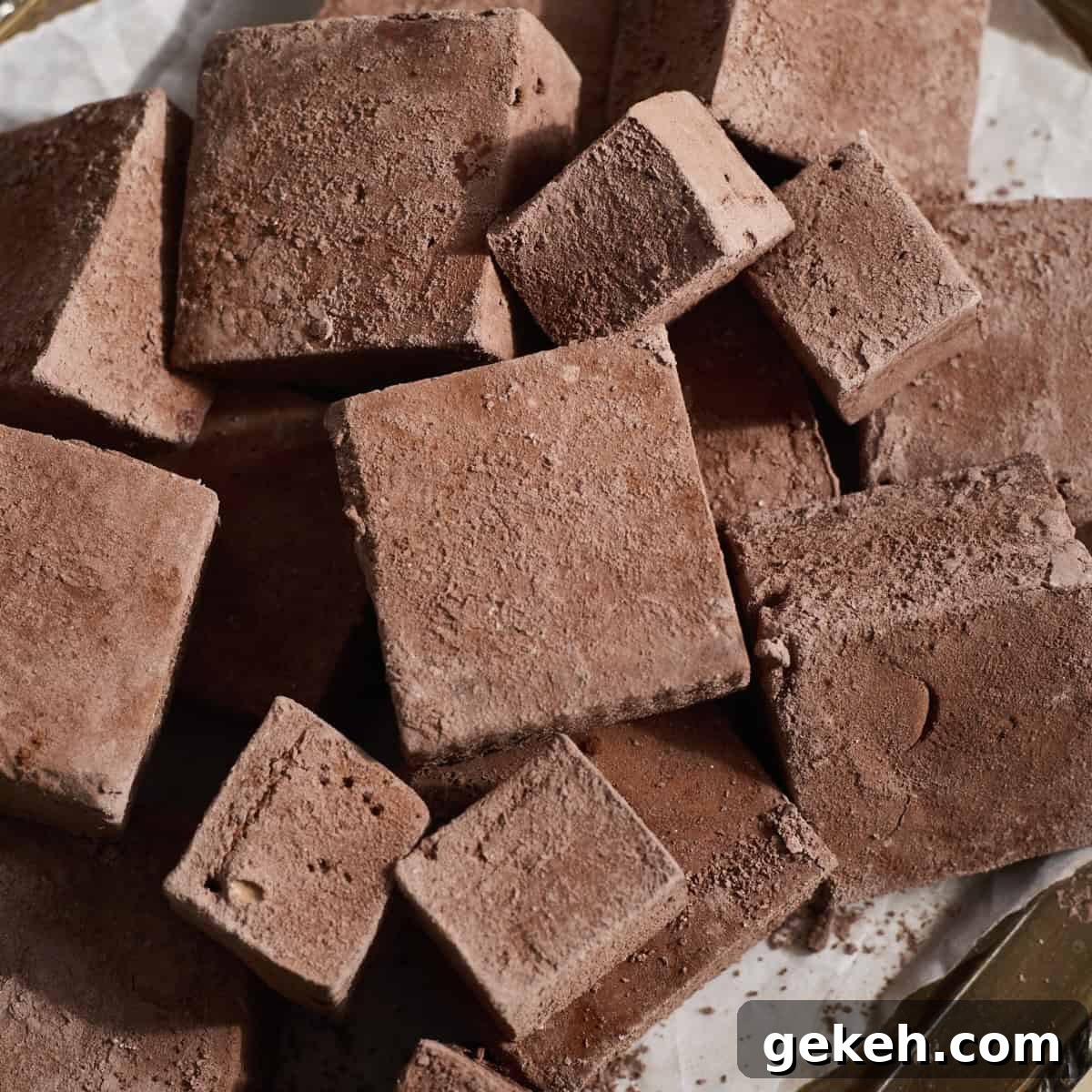
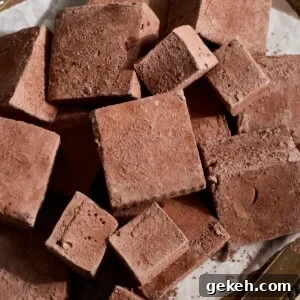
Homemade marshmallows are a real treat, and these Chocolate Marshmallows stand alone as a decadent dessert. Enjoy them plain, roast them for s’mores, float them in hot chocolate, or use them in other sweet recipes.
If you like these Chocolate Marshmallows, consider trying other flavors such as Classic Vanilla Marshmallows, Strawberry Pink Marshmallows, Candy Cane Marshmallows, and Blackberry Marshmallows for more homemade marshmallow fun.
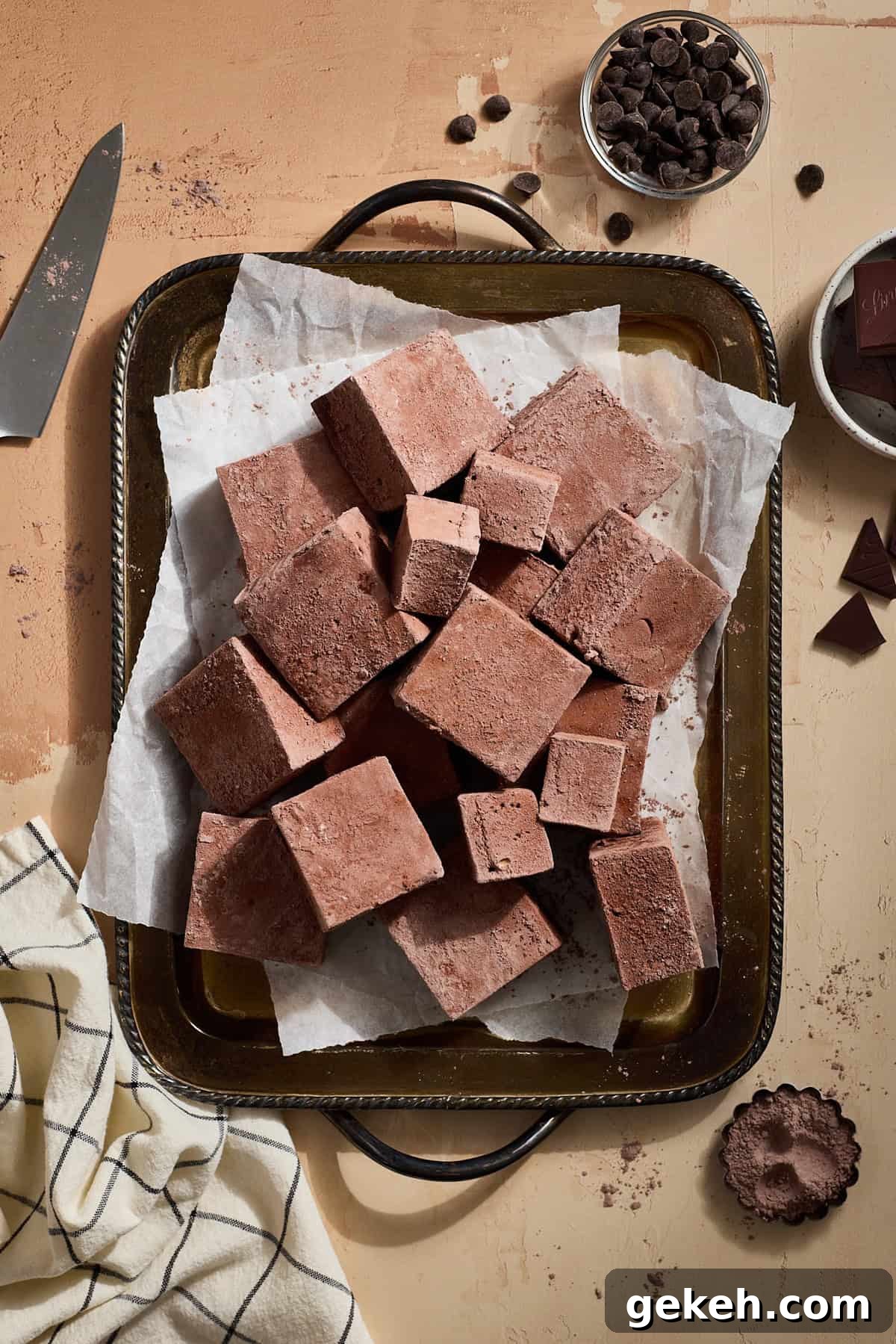
Why you’ll love this recipe
- Fresh homemade marshmallows have a texture and flavor that store-bought versions can’t match.
- These chocolate marshmallows are versatile—eat them as-is, roast them for s’mores, or add them to hot chocolate.
- No oven required. This is a stovetop and mixer recipe, so it’s great when you want candy without baking.
- Not for absolute beginners, but with a candy thermometer, a stand mixer, and careful attention to the steps, you can make excellent marshmallows at home.
[feast_advanced_jump_to]
Ingredients
Here are the key ingredients you’ll need for Chocolate Marshmallows.
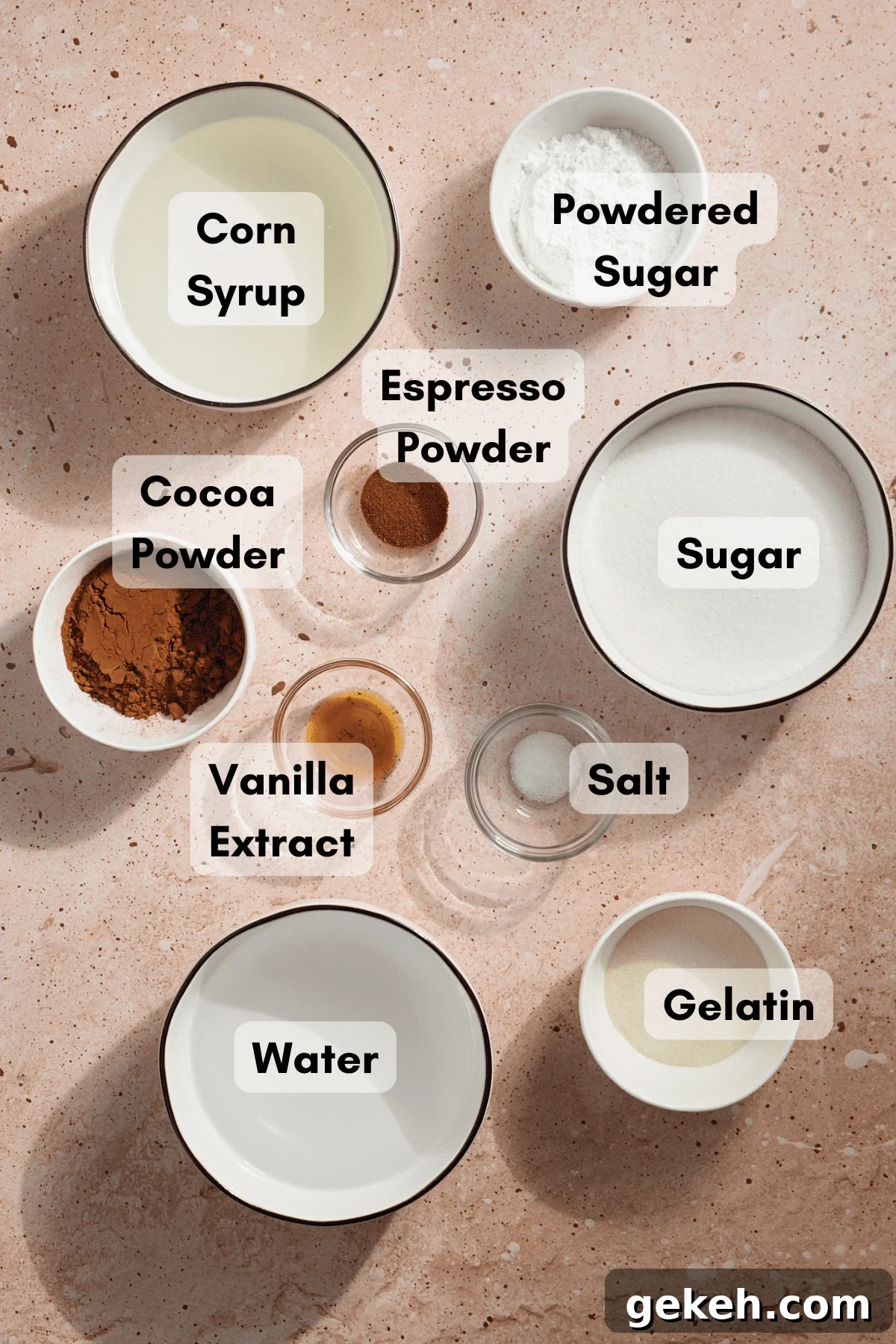
- Dutch-process cocoa powder: Gives the marshmallows a deep, smooth chocolate flavor. Dutch-process cocoa is different from natural cocoa powder and has a milder acidity and more rounded chocolate notes.
- Espresso powder: A small amount enhances the chocolate flavor without making the marshmallows taste like coffee.
- Light corn syrup: Prevents sugar crystallization and helps the marshmallows stay smooth. Honey, agave, or maple syrup can be used as 1:1 substitutes, though they will add their own flavors.
- Unflavored powdered gelatin: Essential for helping the marshmallows set; there is no simple 1:1 vegan substitute for gelatin.
See the full recipe card below for exact amounts and step-by-step instructions.
Substitutions & Variations
This recipe adapts well to a few substitutions and variations.
- Corn syrup alternatives: Use honey, agave nectar, or maple syrup in equal measure if you prefer to avoid corn syrup; expect a hint of those flavors in the finished marshmallows.
- Omit espresso powder: If you prefer, leave out the espresso powder—it’s only there to accentuate the chocolate taste.
- Gelatin note: Agar agar and other plant-based gelling agents do not replace gelatin on a 1:1 basis, so creating a vegan version requires a different method and testing.
How to Make Chocolate Marshmallows
Prepare your workspace and equipment before you start—the process moves quickly once the sugar reaches the right temperature. The complete recipe with measurements is in the recipe card below.
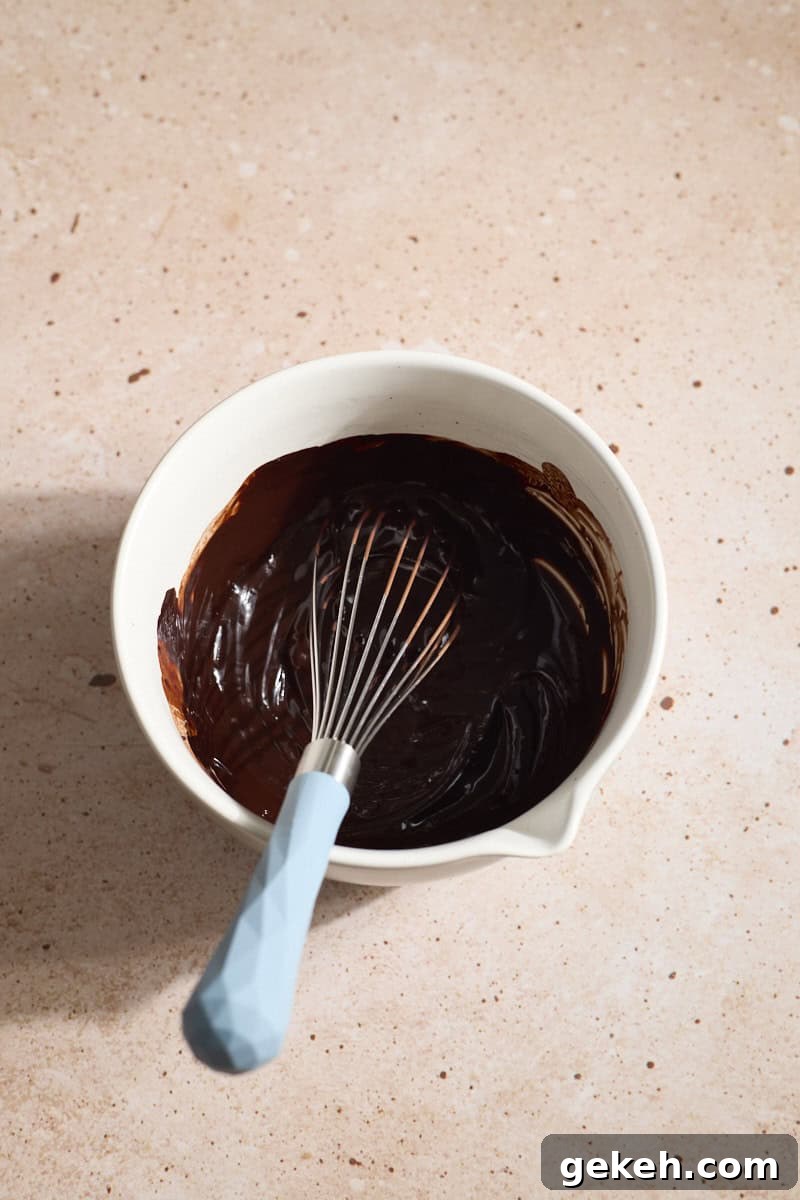
- Step 1: Whisk together the Dutch-process cocoa, espresso powder, and boiling water until smooth; set aside to cool slightly.
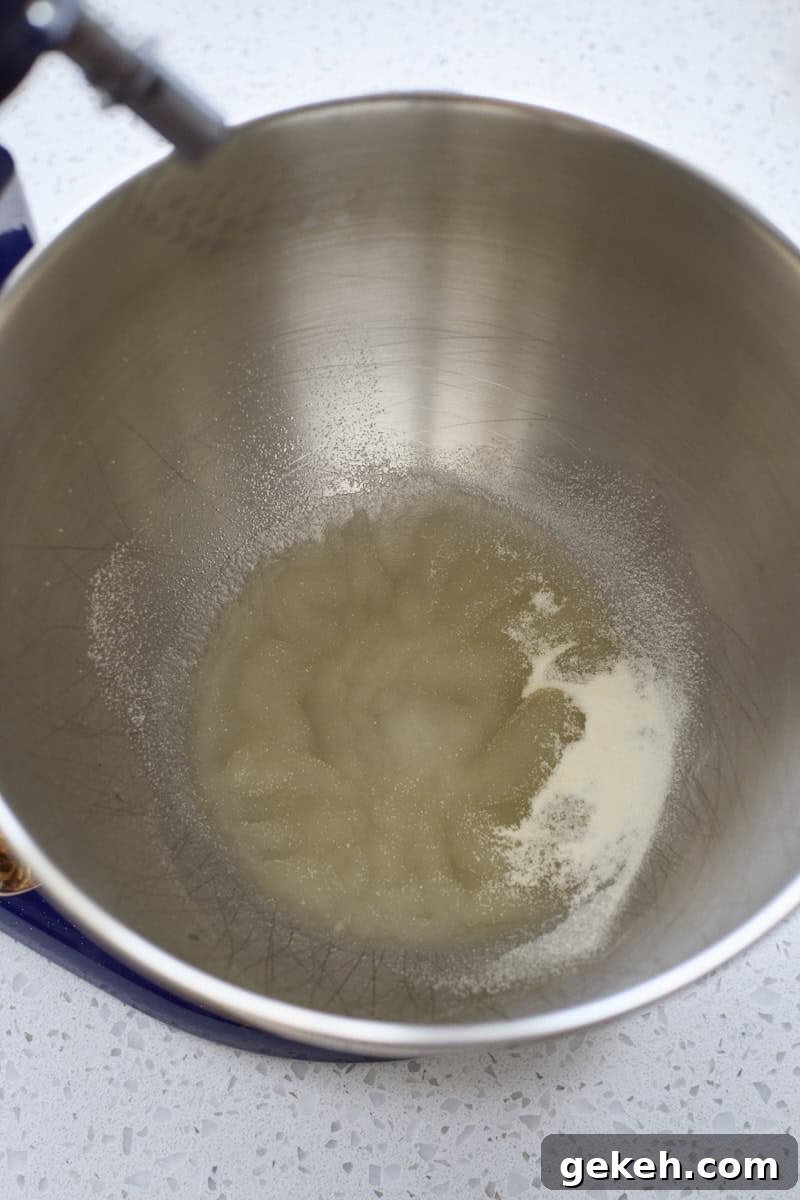
- Step 2: Sprinkle the gelatin over cold water in the bowl of a stand mixer and let it bloom.
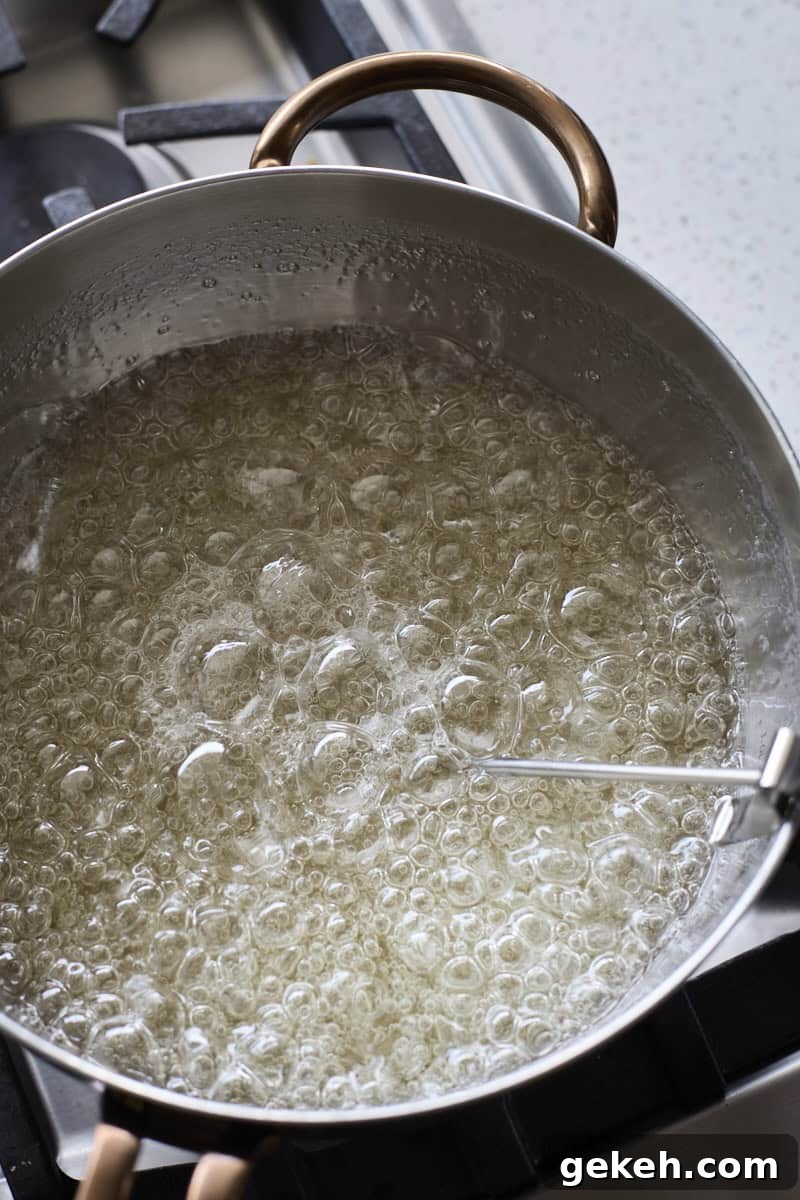
- Step 3: In a saucepan, combine granulated sugar, corn syrup, and water. Bring to a boil and heat to 240°F (soft-ball stage) on a candy thermometer.
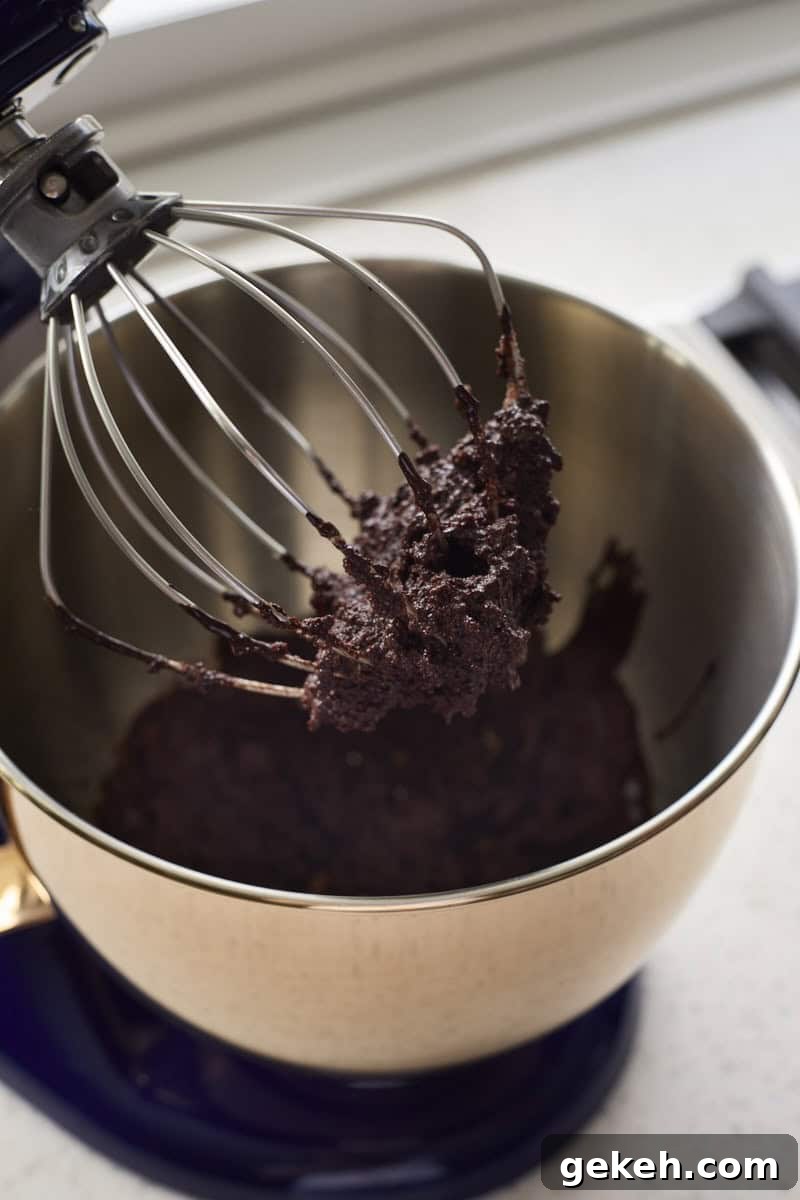
- Step 4: Add the cooled chocolate mixture to the bloomed gelatin in the mixer and combine briefly.
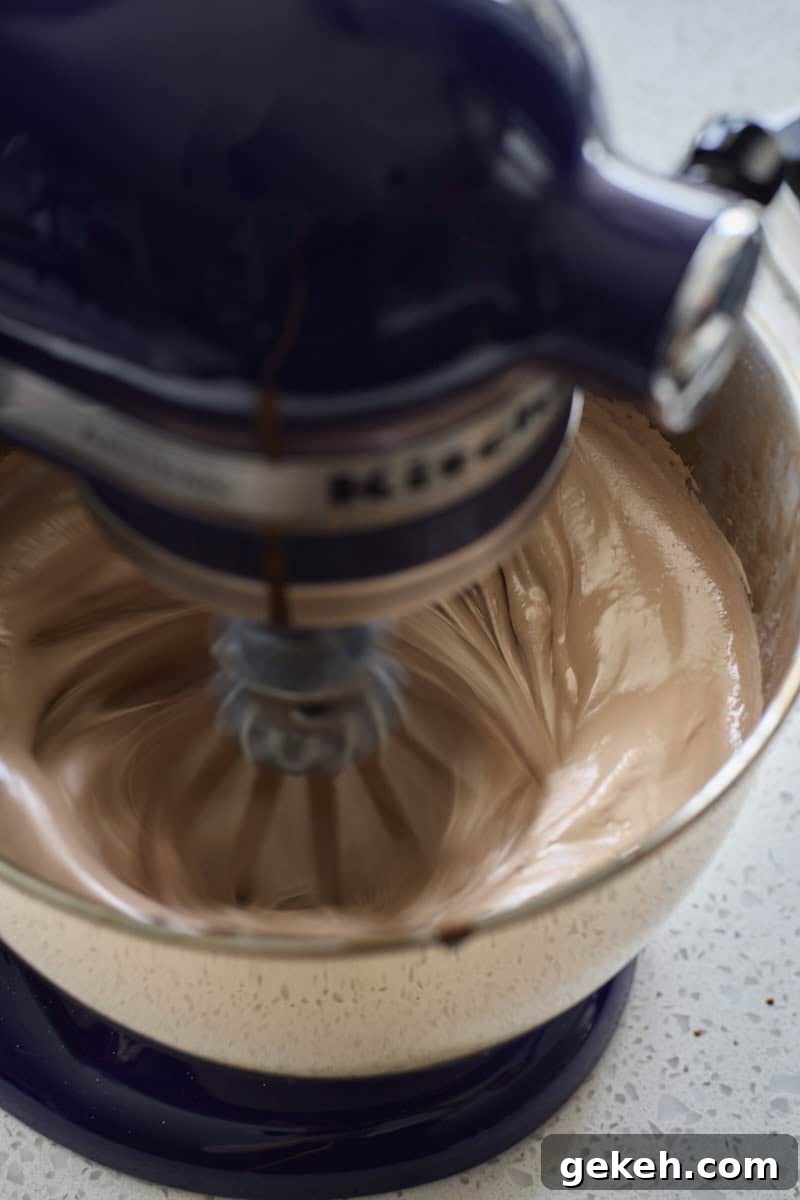
- Step 5: With the mixer on low, slowly stream in the hot sugar syrup. Add vanilla and salt, then gradually increase speed to high and whip until the mixture is thick, glossy, and holds stiff peaks (about 12–14 minutes).
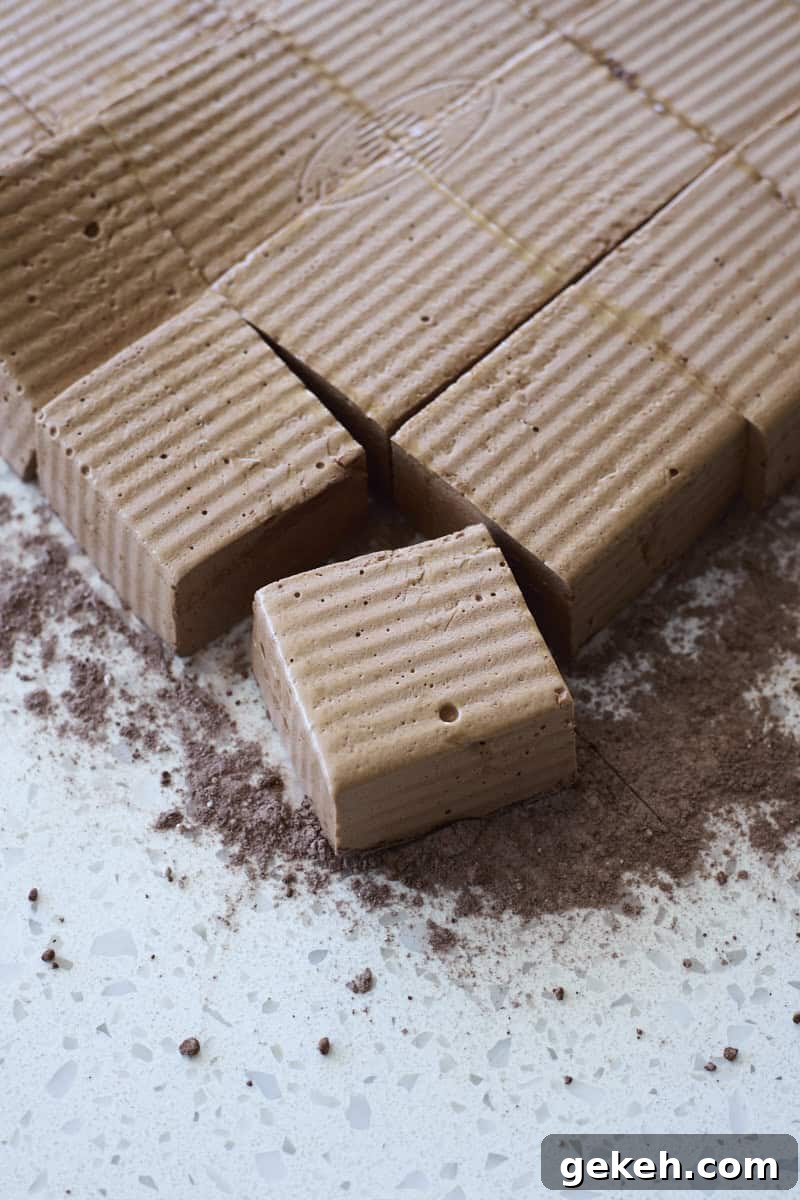
- Step 6: Quickly spread the marshmallow into a prepared 9×9-inch pan and let it set until firm, at least 4 hours at room temperature or 2 hours chilled.
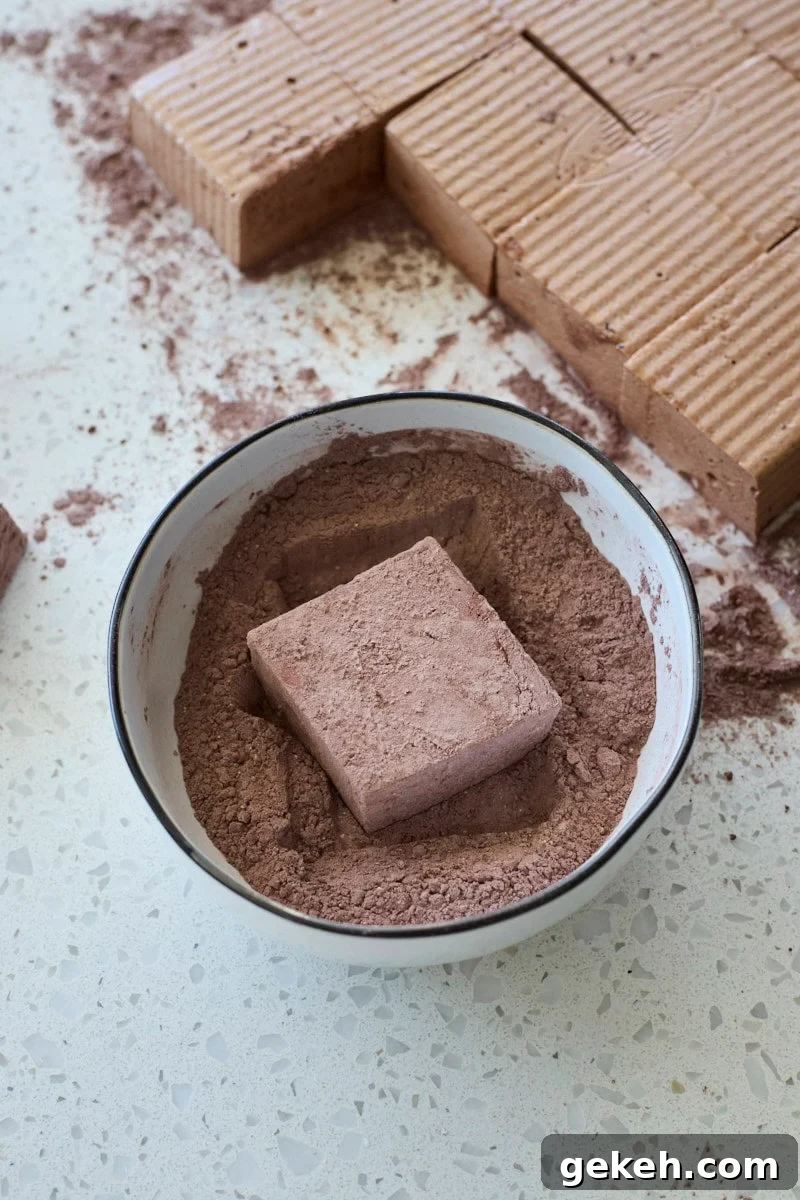
- Step 7: Toss cut marshmallows in a mixture of powdered sugar and cocoa (or cornstarch) to keep them from sticking together.
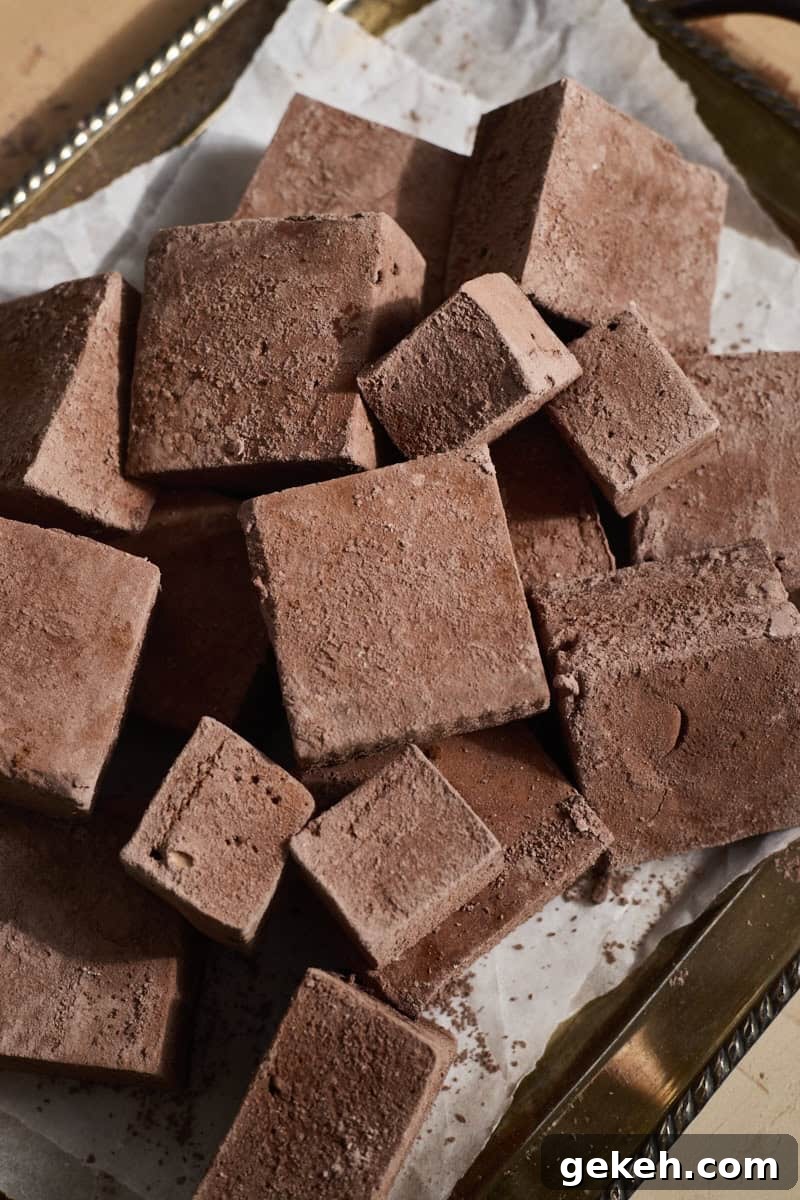
- Step 8: Serve and enjoy—plain, toasted, dipped in chocolate, or floating in a warm drink.
Expert Baking Tips
- Water temperatures matter: Use cold water to bloom gelatin and boiling water to dissolve the cocoa and espresso for best results.
- Use the right tools: A candy thermometer and a stand mixer make this recipe much easier and more reliable.
- Hit 240°F exactly: The sugar syrup should reach the soft-ball stage (240°F). Too low and the marshmallows won’t set; too high and they’ll be overly hard.
- Pour carefully: When adding the hot syrup to the mixer, pour slowly to avoid splashes and burns. Increase speed gradually until high.
- Whip long enough: Whipping time develops structure. If the mixture still seems soft, continue whipping a bit longer.
- Allow ample setting time: Let the marshmallows set fully before cutting—cutting too early can leave them sticky or wet.
Common Marshmallow Challenges
Here are common issues and how to avoid them.
- Too soft: Check that the sugar reached 240°F, whip until stiff peaks form, and allow more setting time—overnight if needed.
- Too hard: If the sugar overheats past 240°F, the batch can become rock-hard and is usually not salvageable.
- Too sweet: Coat marshmallows in cornstarch instead of powdered sugar to reduce added sweetness while preventing sticking.
- Knife sticking when cutting: Lightly spray or oil the knife and wipe off any excess before slicing, or dust the surface with the coating mixture.
How to Clean Up After Making Marshmallows
Melted sugar and marshmallow residue can be messy, but warm water dissolves sugar. Soak pans, spatulas, and the mixer bowl in hot water for 10–15 minutes and the residue will rinse away easily—no heavy scrubbing required.
How to Eat Chocolate Marshmallows
These marshmallows are delicious in many ways. A few favorites:
- Plain: After coating, they’re ready to eat immediately.
- S’mores: Roast them for a s’more; homemade marshmallows are softer than store-bought, so a sturdy roasting skewer helps.
- Hot chocolate topper: Let one or two float on a cup of hot chocolate for a rich, melty treat.
- Dipped in chocolate: Add them to a dessert board for dipping into melted chocolate.
- In baking: Use them as a filling or topping in other desserts like marshmallow-stuffed cookies.
Storage
Room temperature: Store marshmallows in an airtight container at room temperature for several weeks. Place wax or parchment paper between layers to prevent sticking.
If you prefer firmer, drier marshmallows, you can leave them uncovered at room temperature for a short time to dry out slightly.
Recipe FAQs
Yes—use honey or agave nectar as a 1:1 substitute for corn syrup, keeping in mind they will add their own flavor.
There is no simple 1:1 vegan substitute for gelatin. Agar agar does not work as a direct replacement without changing the method and testing.
No—store them in an airtight container at room temperature rather than refrigerating, which can make them sticky or chewy.
Yes, but it’s very labor-intensive with a hand mixer. A stand mixer is strongly recommended.
The candy thermometer is important for reaching the correct sugar temperature. Without it, results are unpredictable.
More Homemade Marshmallow Recipes
-
Classic Vanilla Marshmallows
-
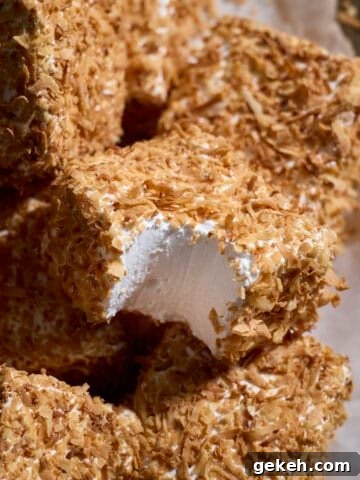
Toasted Coconut Marshmallows
-
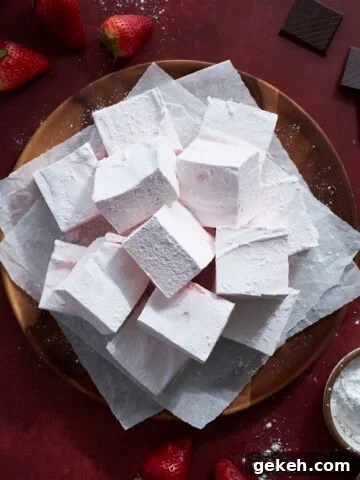
Strawberry Pink Marshmallows
-
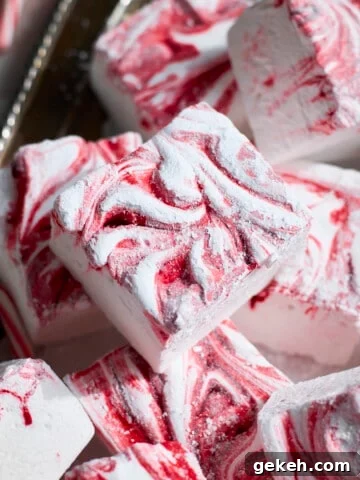
Candy Cane Marshmallows
If you try these Chocolate Marshmallows, please leave a star rating and share your experience in the comments. Happy baking!
Chocolate Marshmallows
Jessica Vogl
Equipment
-
stand mixer
-
candy thermometer
-
9×9-inch pan
Ingredients
- 1 ⅓ cup water, divided
- ⅓ cup Dutch-process cocoa powder
- 1 teaspoon espresso powder
- 3 envelopes unflavored powdered gelatin (about 7 ½ teaspoons)
- 1 ½ cups granulated sugar
- 1 cup light corn syrup
- 2 teaspoons vanilla extract
- ¼ teaspoon kosher salt
For Coating
- ¼ cup powdered (confectioner’s) sugar or cornstarch
- ¼ cup Dutch-process cocoa powder
Instructions
-
Grease a 9×9-inch pan with cooking spray and set aside.
-
Combine Dutch-process cocoa, espresso powder, and ⅓ cup boiling water in a small bowl. Whisk until smooth and set aside to cool.
-
In the stand mixer bowl, add ⅔ cup cold water and sprinkle the gelatin over it to bloom.
-
In a saucepan, combine granulated sugar, corn syrup, and ⅓ cup water. Stir to dissolve, then bring to a boil and heat until the mixture reaches exactly 240°F on a candy thermometer, about 10–12 minutes. Remove from heat immediately.
-
Add the cooled chocolate mixture to the bloomed gelatin in the mixer and combine briefly.
-
With the mixer on low, slowly pour the hot sugar syrup into the mixture. Add vanilla and salt.
-
Increase speed gradually to high and whip until the marshmallow is stiff and lightened in color, about 12–14 minutes. When the whisk lifts, the mixture should form stiff threads that take a few seconds to fall.
Working quickly, pour the marshmallow into the prepared pan and smooth the top with a spatula.
-
Let set at room temperature for at least 4 hours, or 2 hours in the refrigerator, until firm.
-
Whisk together ¼ cup powdered sugar and ¼ cup Dutch-process cocoa for coating.
-
Dust a work surface with the coating mixture. Run a knife around the pan edges and turn the marshmallow out onto the surface. Cut into 16 pieces. If the knife sticks, lightly spray it with cooking spray and wipe off any excess on the marshmallows.
-
Roll each piece in the powdered sugar/cocoa mixture to prevent sticking, then serve.
Video
Notes
Gelatin substitute: There is no easy 1:1 substitute for gelatin; agar agar does not directly replace gelatin in this recipe.