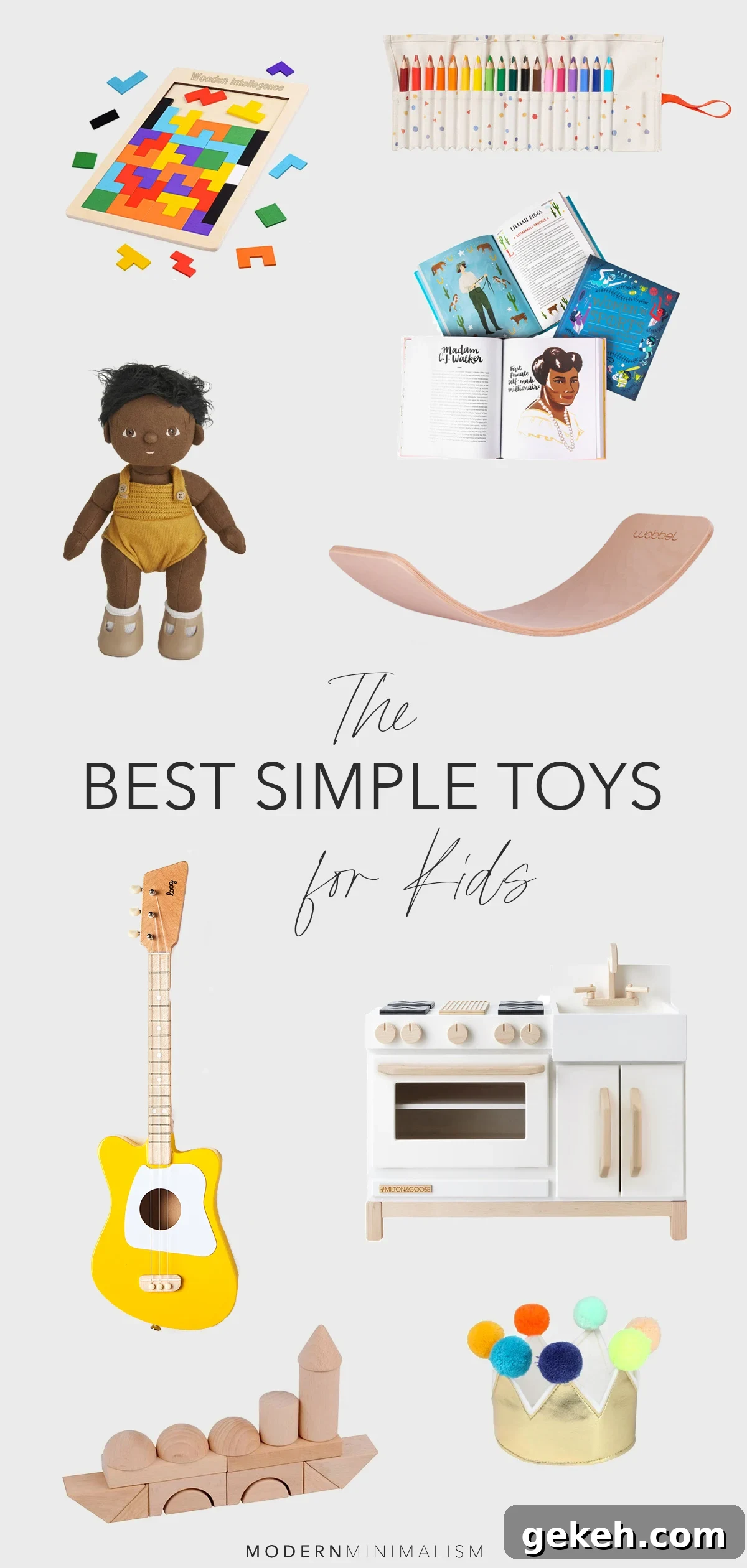
Choosing the right types of toys helps children play more creatively, for longer, and with less—key principles for building a minimalist toy collection. Below are ten simple toy categories that offer open-ended play and can serve your family for years.
Table of Contents
Simplifying our children’s toys has been central to our family’s minimalist journey. Over time I’ve researched toy minimalism, read child development resources, and watched how my kids play. The key insight: the types of toys you keep matter more than the number of toys. Open-ended toys invite more creativity and longer engagement, so you often need fewer items overall.
Below are the 10 best types of simple toys that promote imaginative, sustained play and grow with your children. For each category I explain why it’s valuable and offer common examples you might consider.
Note on recommendations: Examples reflect items that families and educators often recommend or that we use at home. You don’t need every suggestion—choose what fits your child and household.
1. Active toys
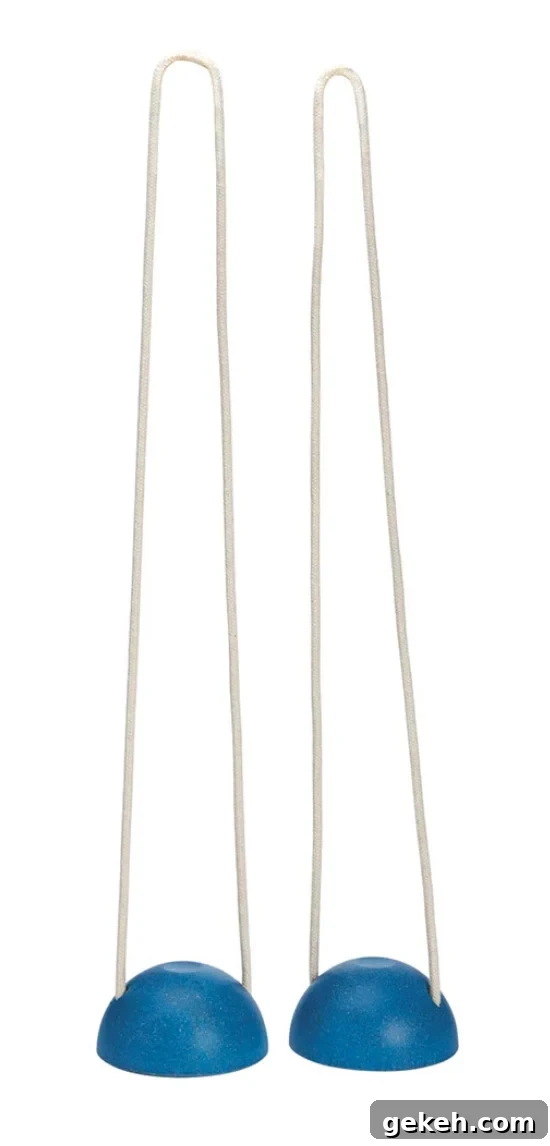
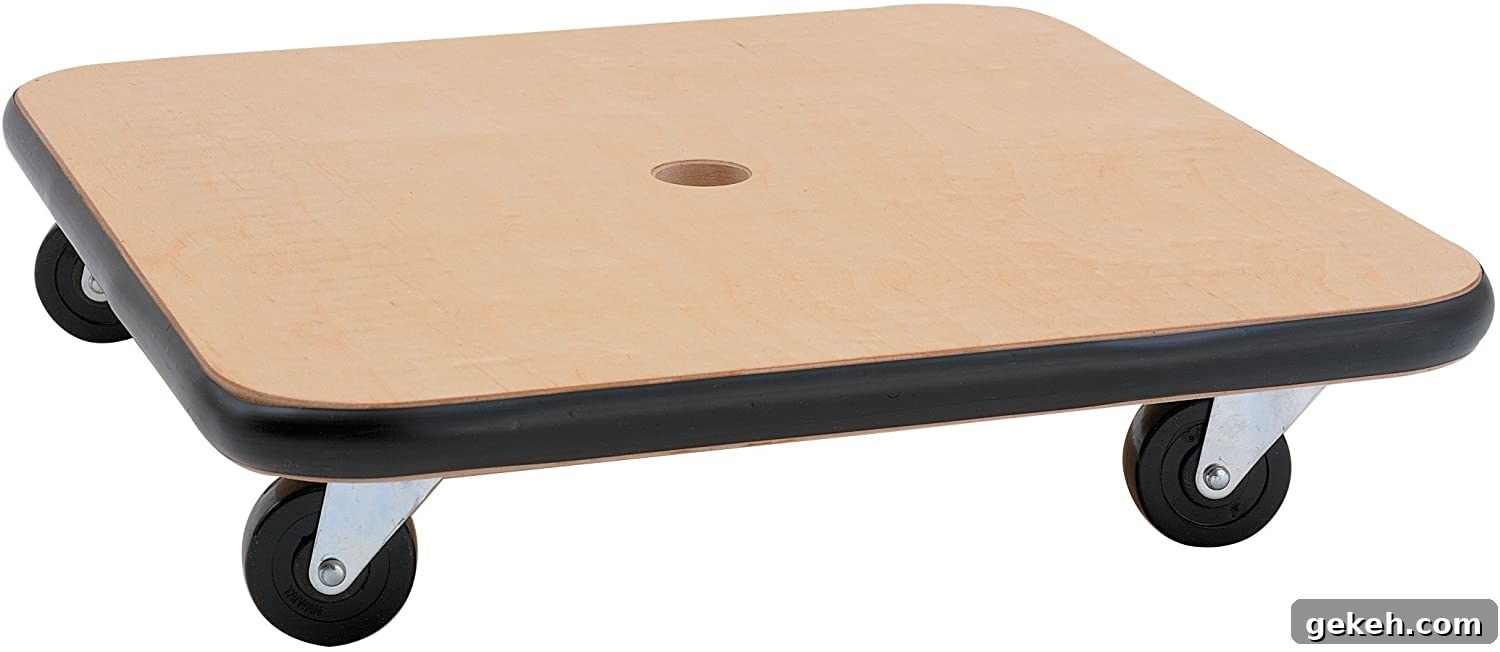
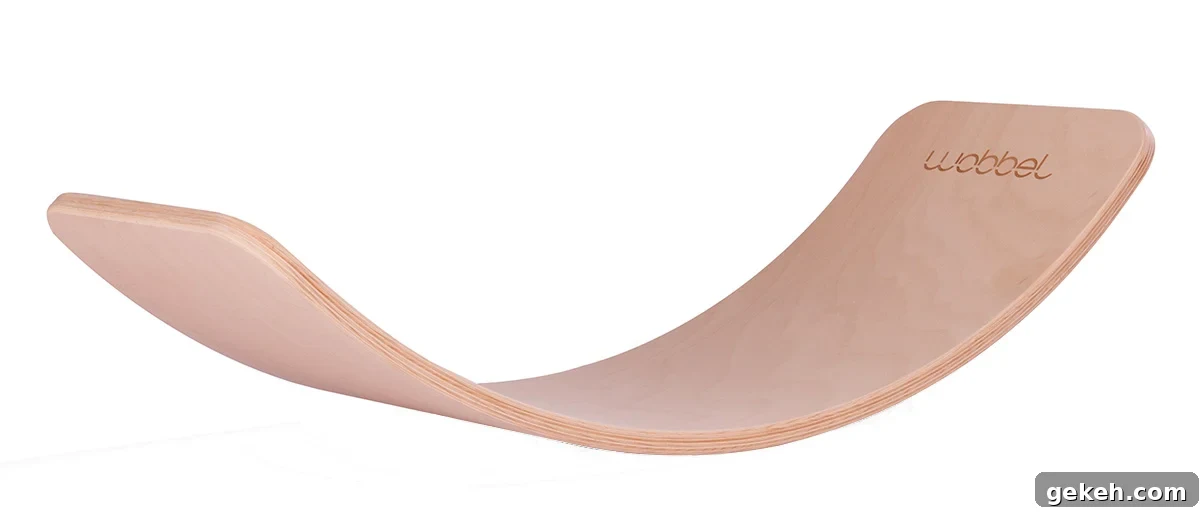
Active toys promote whole-body movement, build gross motor skills, and support learning. Outdoor play is ideal: running, climbing, jumping, and balancing on natural features provide rich opportunities. When outdoor play isn’t possible, simple indoor items can do the job: an air mattress for jumping, couch cushions for obstacle courses, or painter’s tape for hopscotch.
Pikler-style climbers, balance beams, mini trampolines, scooter boards, jumping ropes, balls, and balance boards are all versatile tools for energetic play. Children can also incorporate these into pretend scenarios, extending their playtime and imagination.
2. Building toys
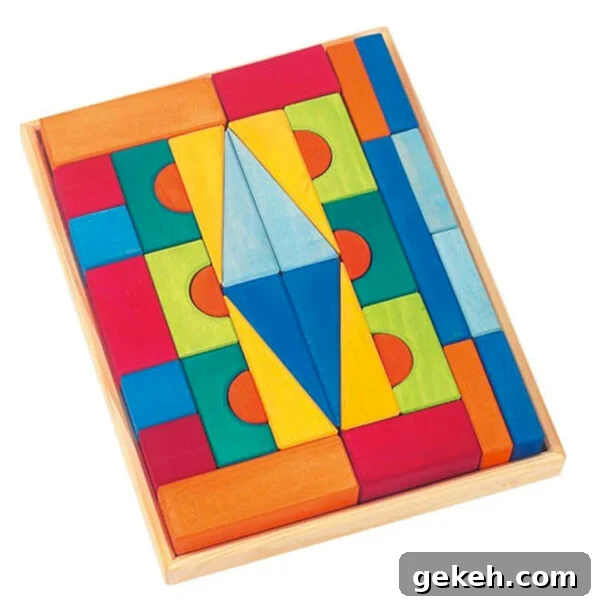
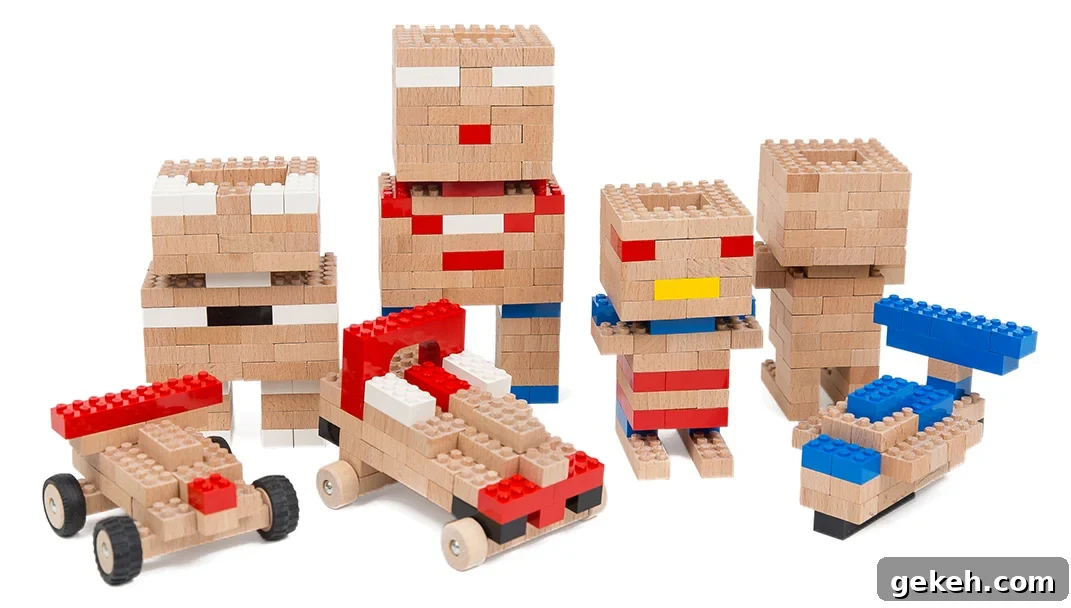
Building toys—blocks, magnetic tiles, LEGO—encourage fine motor control, spatial reasoning, and creativity. Open-ended building materials can be anything from cardboard boxes to wooden blocks, and they invite children to design structures, towns, ramps, and more. Sets like wooden blocks, magnetic tiles, classic LEGO, and larger interlocking blocks cover a wide age range and reuseability. Marble runs and stacking toys extend the challenge for older children.
3. Pretend play
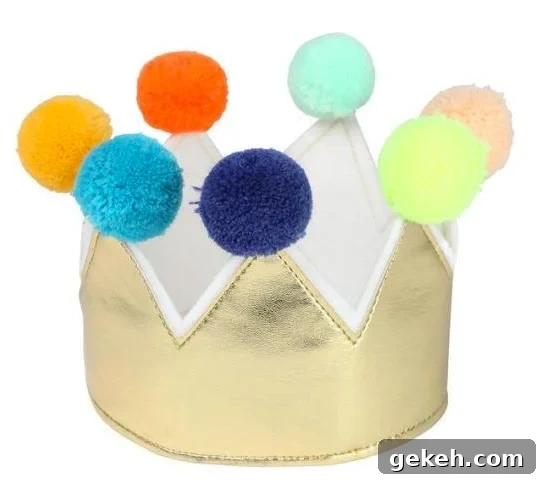
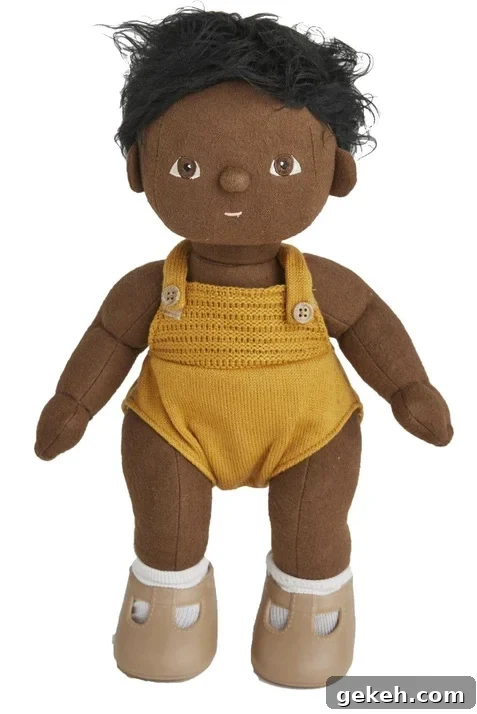
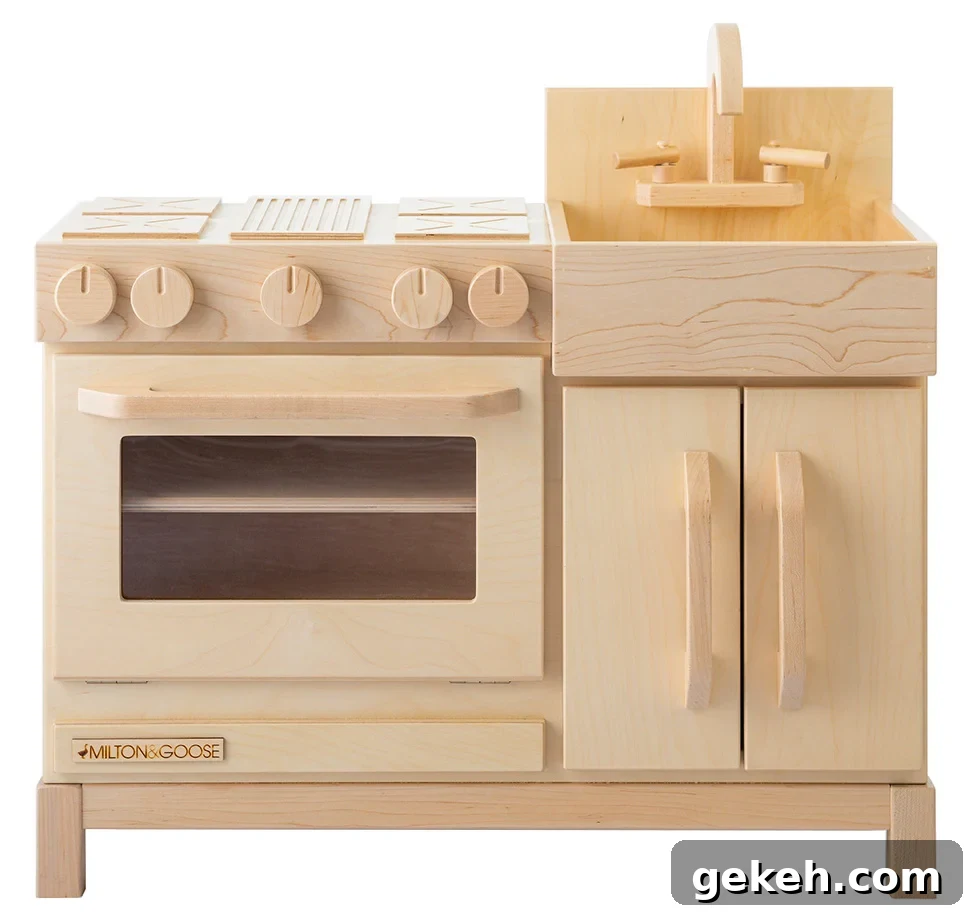
Pretend play helps children explore emotions, roles, and social situations while growing imagination and empathy. Dramatic play items include dress-up clothes, play kitchens, dolls, doctor kits, shopping carts, and small household props. Costumes can be improvised from adult clothing and accessories, which often sparks imaginative scenarios without needing elaborate themed toys.
Play kitchens, wooden food sets, toy strollers, and simple props like phones or pretend cash registers create opportunities for role-play, storytelling, and cooperative play—skills that benefit social and emotional development.
4. Characters
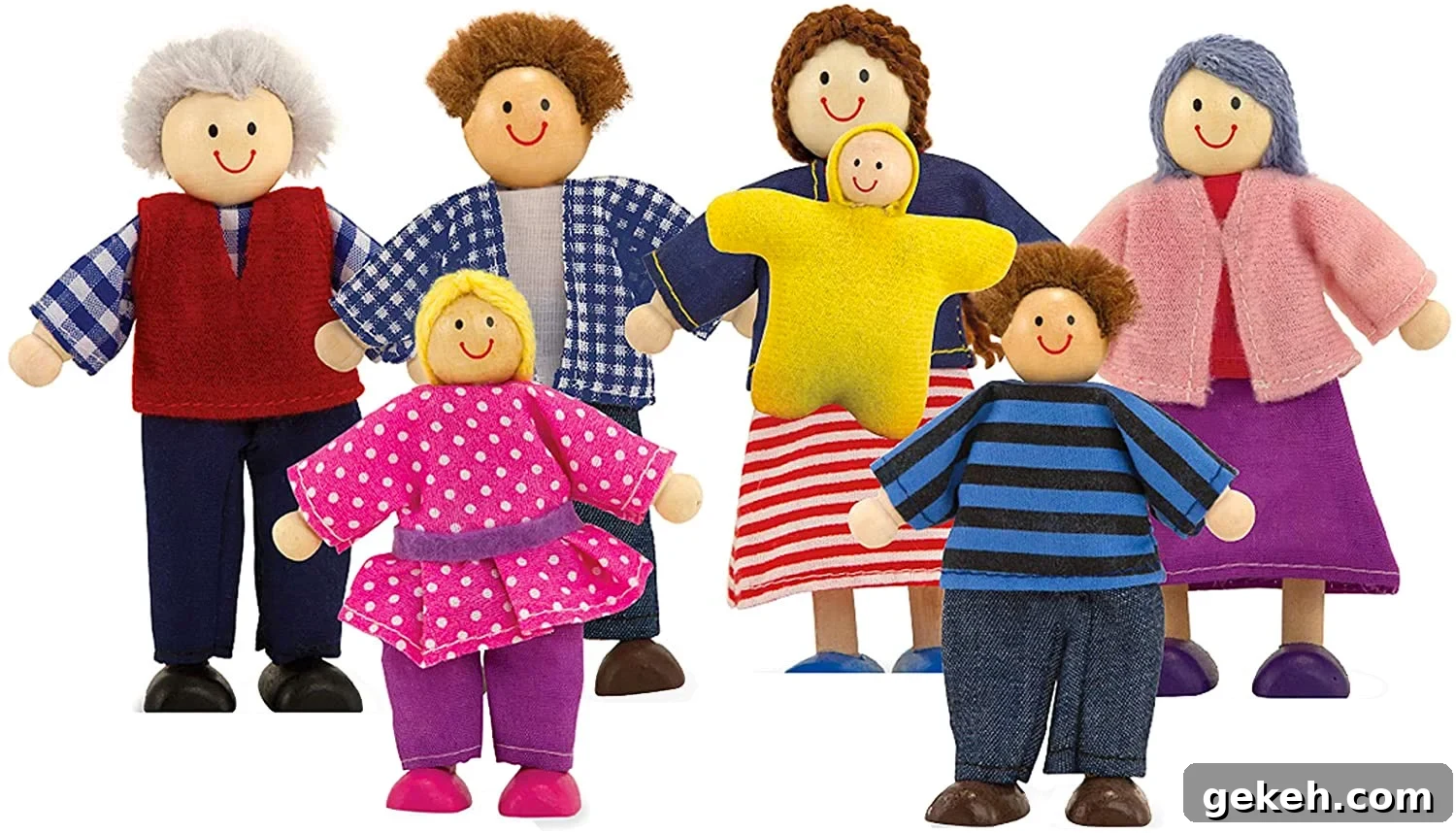
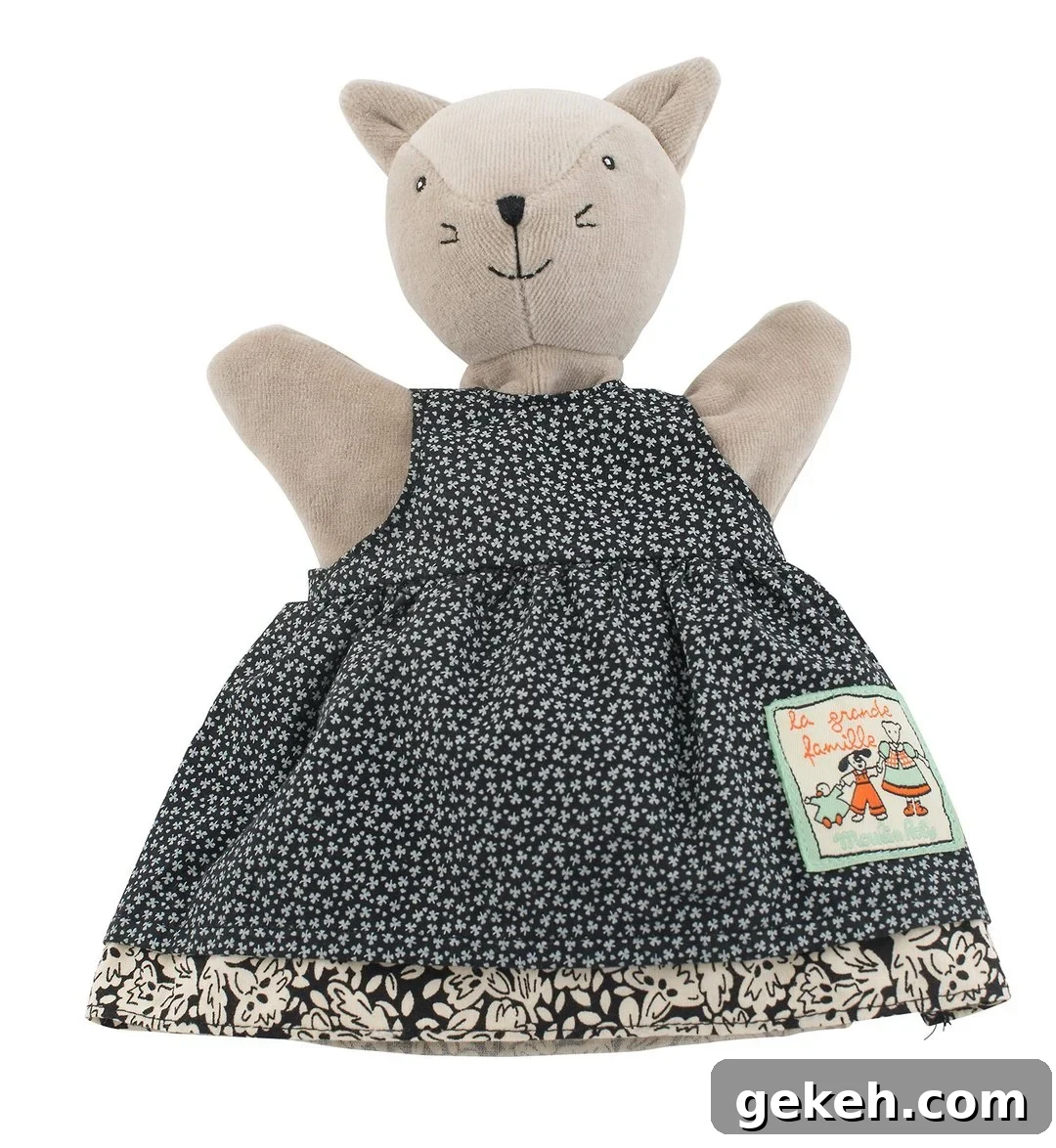
Figures and stuffed animals let children act out relationships and everyday scenes. Small figures—whether family sets, dolls, action figures, puppets, or stuffed animals—encourage storytelling and social play. Because these items are often small and inexpensive, they can accumulate quickly: keep collections intentionally limited so play stays meaningful and manageable.
5. Vehicles
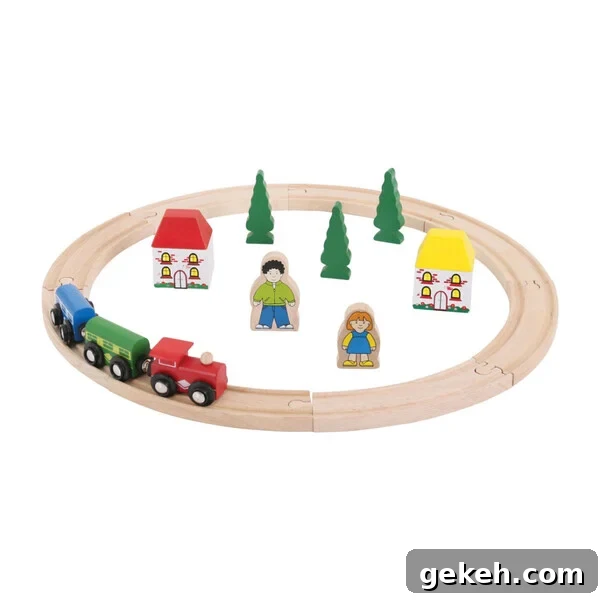
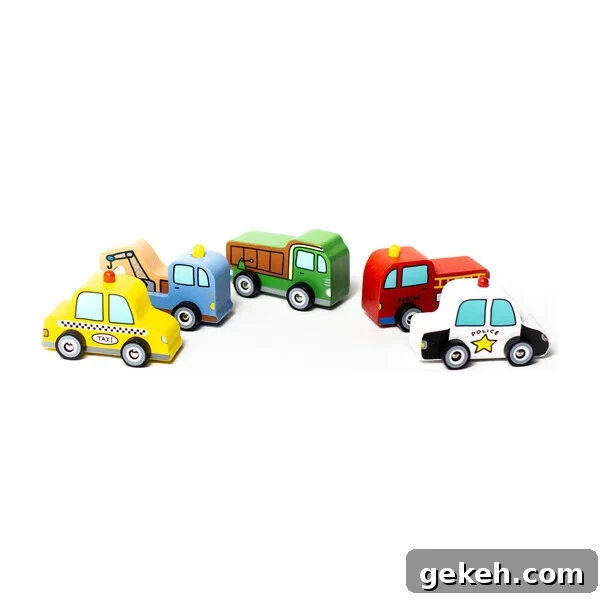
Miniature cars, trains, planes, and trucks invite role play and help recreate everyday scenes. Vehicles pair well with characters and building sets. They work in sandboxes, on cardboard-made streets, or alongside wooden tracks and are easy to rotate in and out of a minimalist collection to keep play fresh.
6. Art and craft materials
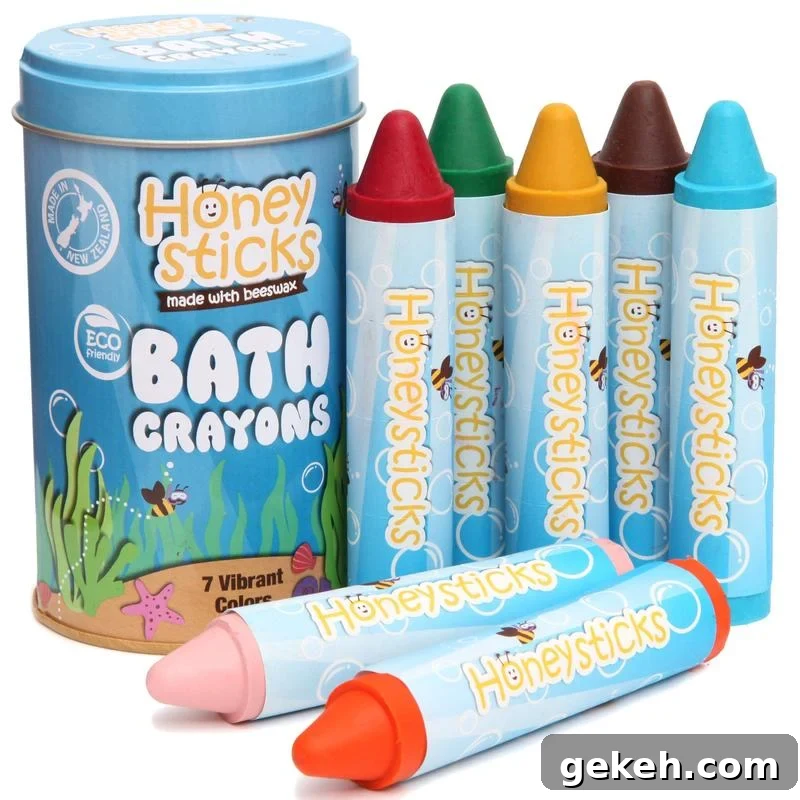
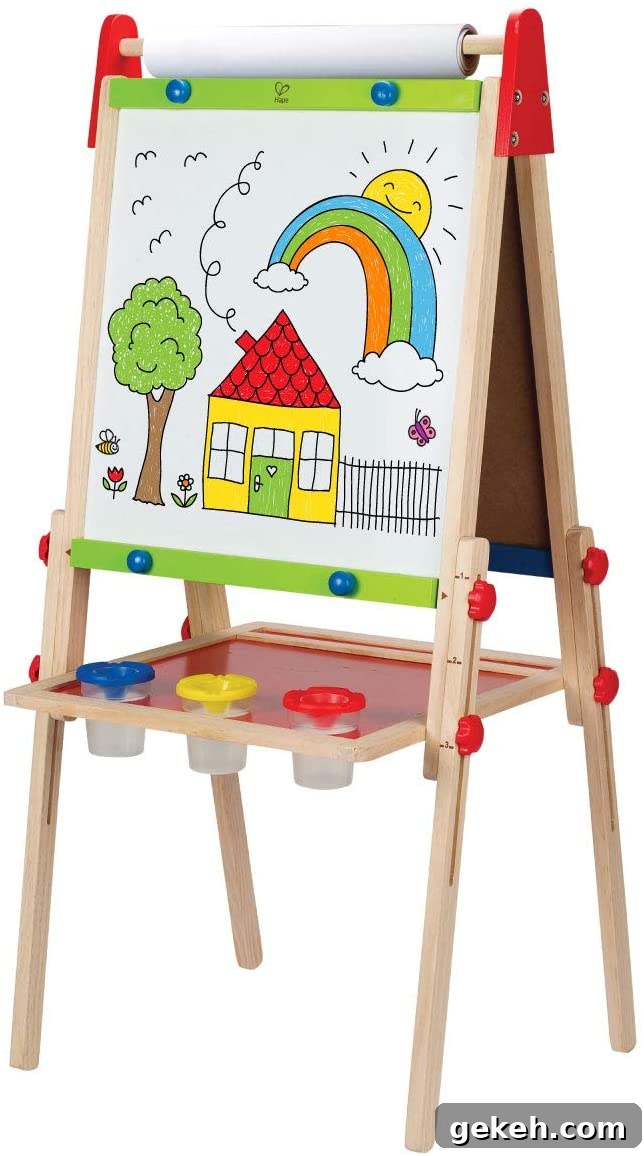
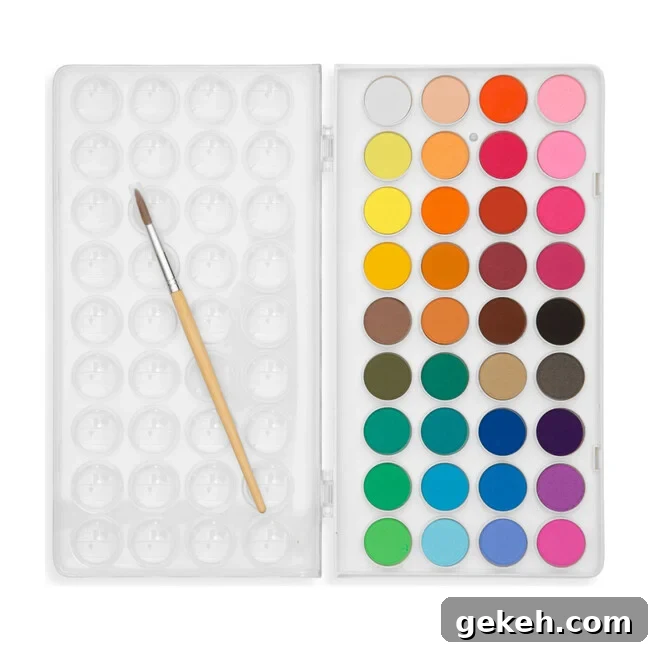
Art supplies are classic open-ended play tools for all ages. Pencils, crayons, markers, washable paints, paper, glue, and scissors allow children to create, plan, and express themselves. Easels, chalkboards, and dry-erase boards add variety and reusable surfaces. Step-by-step drawing guides and safe bath crayons are simple ways to encourage drawing, coloring, and exploration.
7. Sensory toys
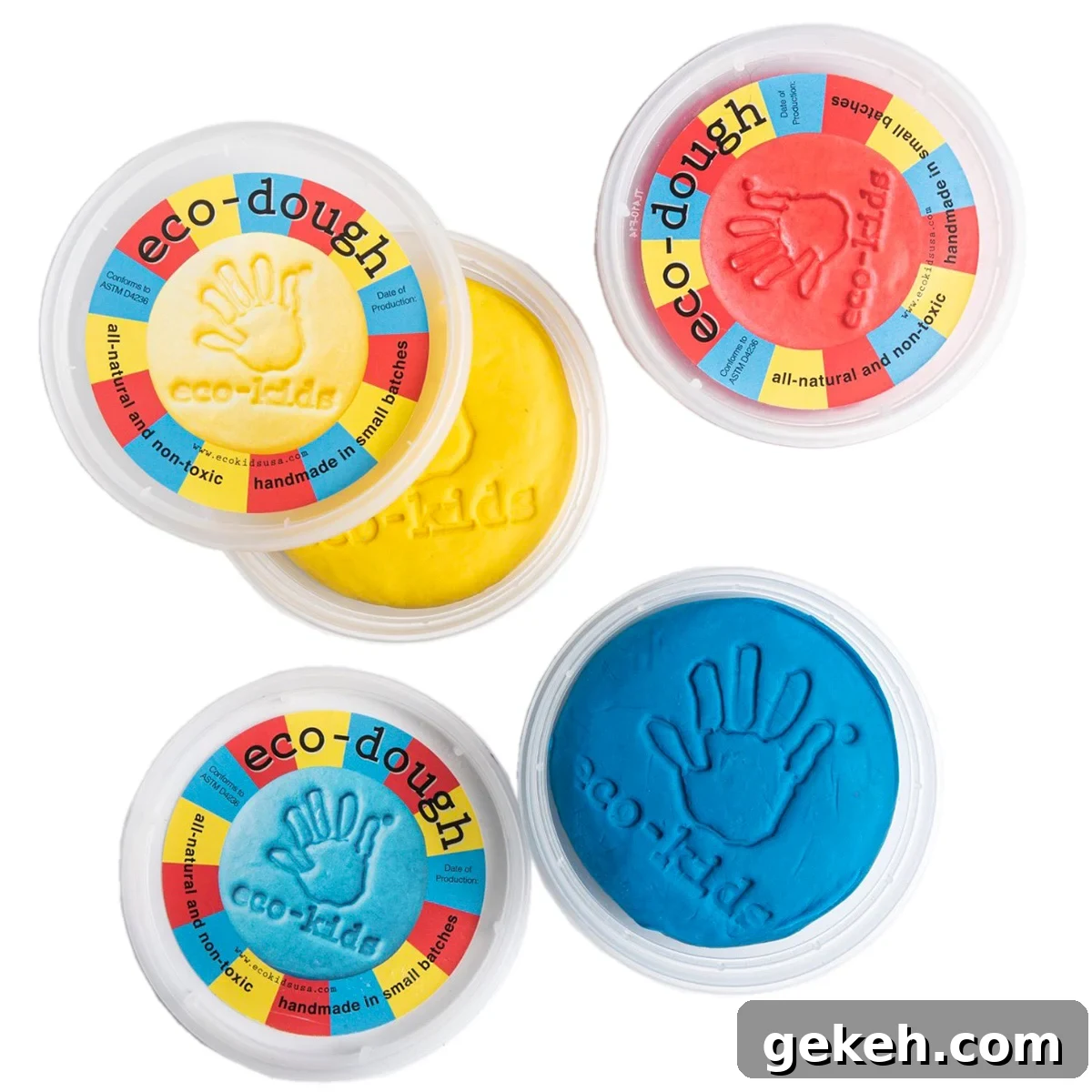
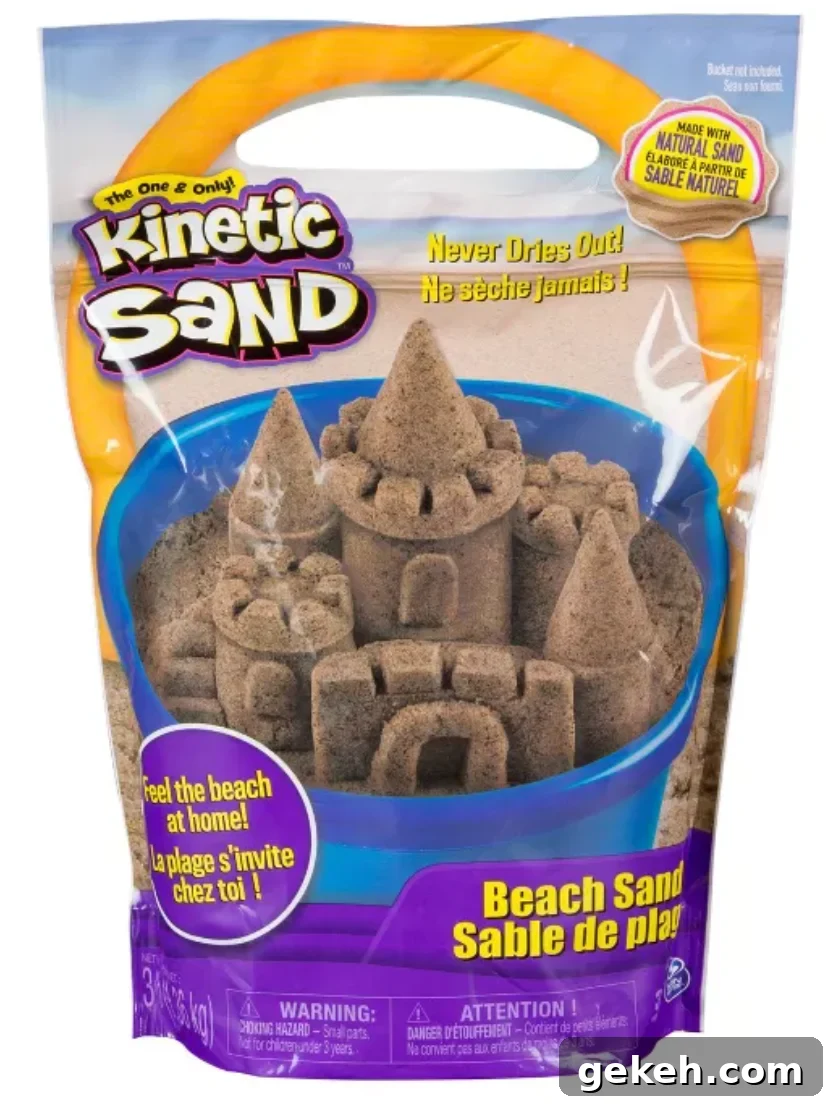
Sensory play uses materials like water, sand, playdough, rice, beans, or kinetic sand to stimulate touch and exploration. Simple household tools—scoops, cups, muffin tins, and trays—extend play possibilities. Sensory bins encourage experimentation, fine motor skills, and focused play; rotating materials keeps sensory activities interesting.
8. Puzzles & games
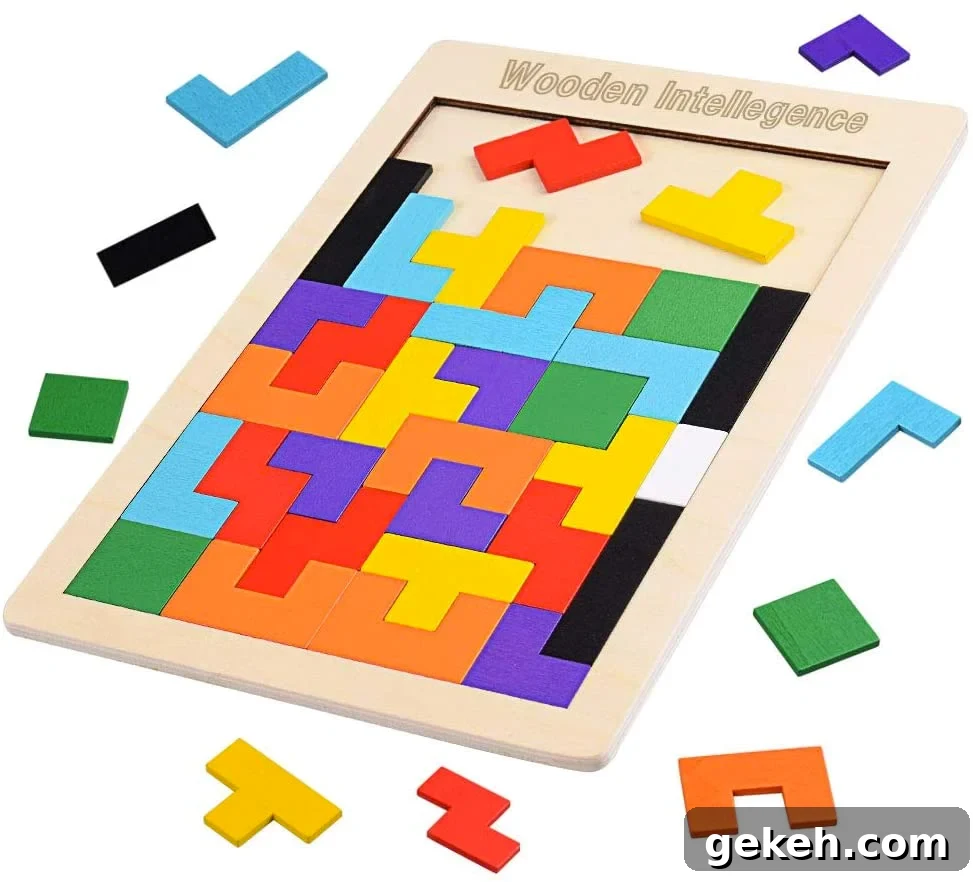
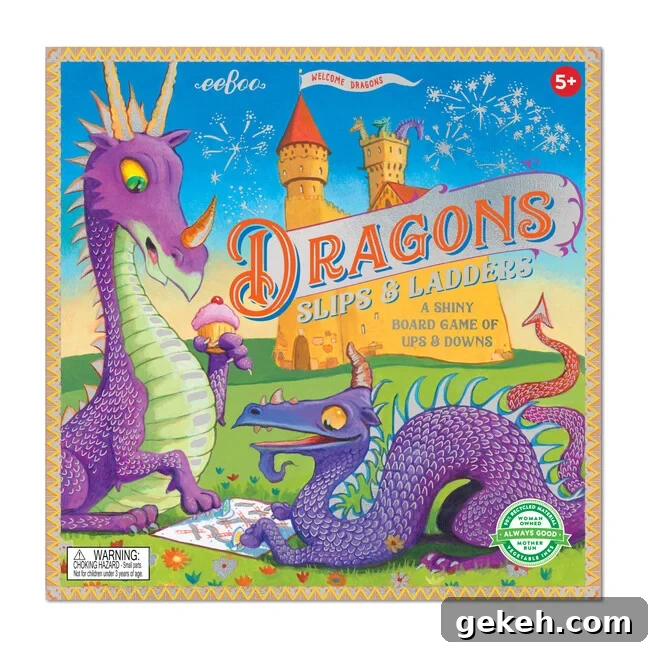
Puzzles promote concentration, spatial thinking, and independent problem solving. Open-ended puzzles—tetris-style sets, pattern blocks, and construction puzzles—offer repeated use and multiple solutions. Board games and turn-taking games build memory, cooperation, and social skills while offering focused family engagement.
Simple, classic games are ideal for younger children and encourage shared play over short sessions.
9. Books
Books spark imagination, strengthen language skills, and inspire pretend play. Choose stories the family enjoys and rotate favorites to reduce shelf clutter. Collections that gather many short tales in one volume save space and give children lots of variety in a compact format. Libraries are great for exploring new titles before deciding which to keep.
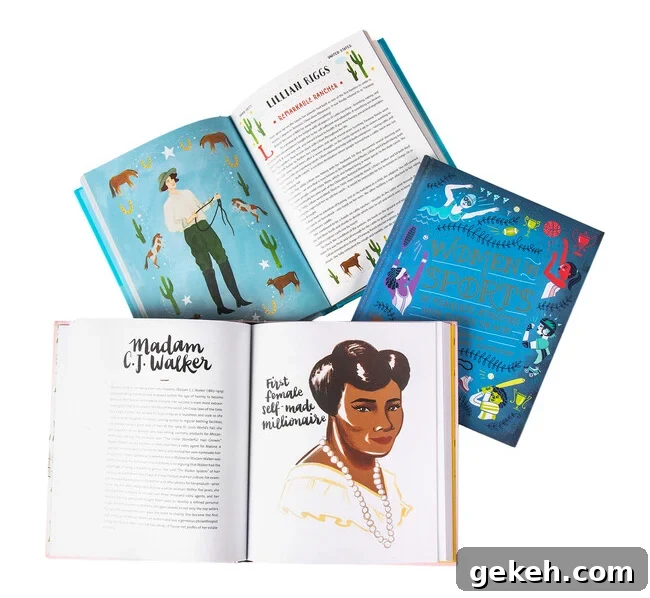
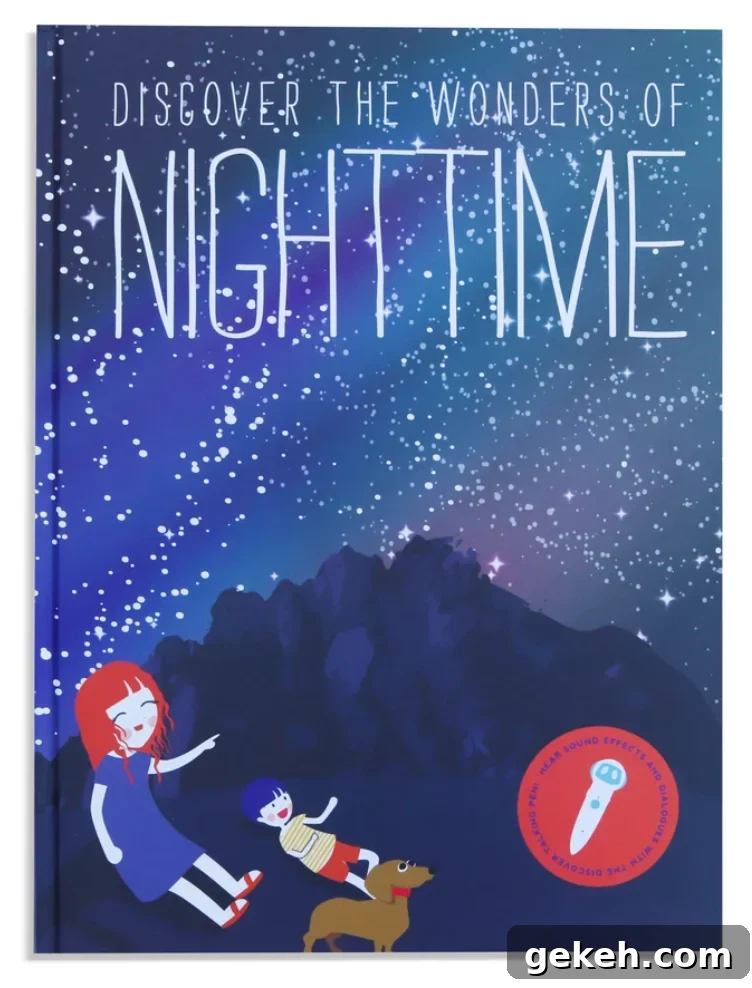
If you want to simplify a book collection, consider rotating titles, using story collections, and borrowing from the library to test which books become long-term favorites.
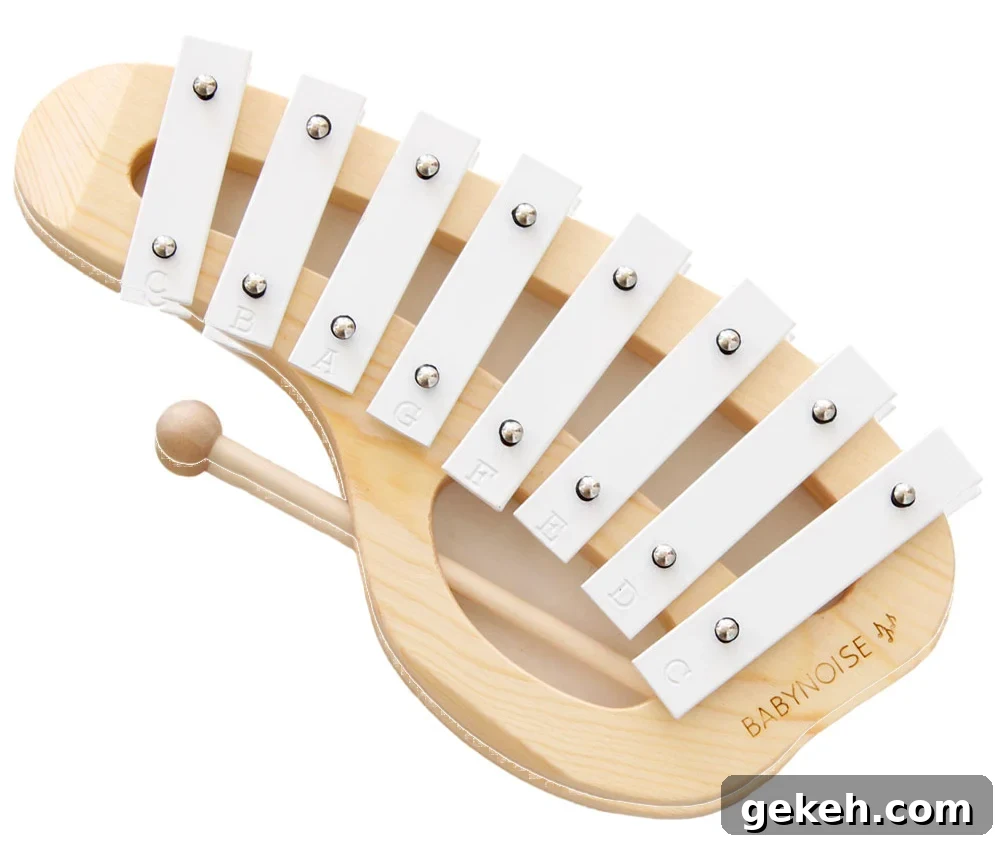
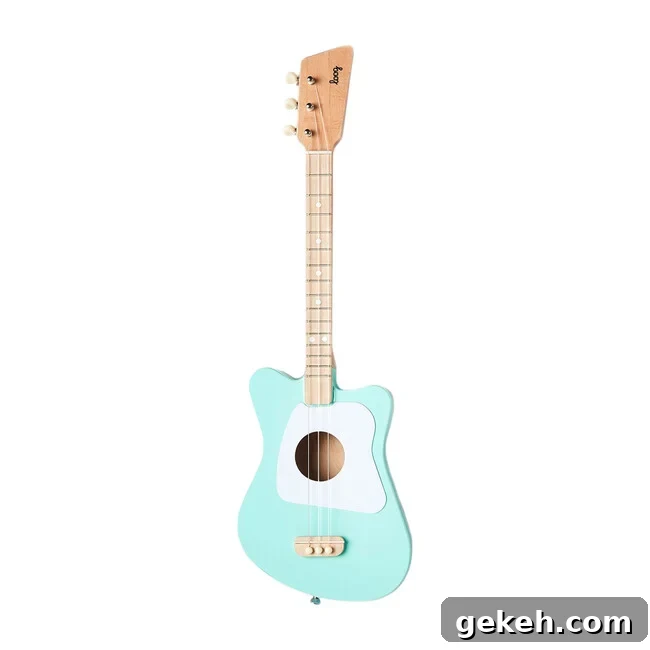
10. Musical instruments
Playing instruments encourages expression, coordination, auditory skills, and rhythm. Simple instruments—xylophones, small drums, ukuleles, shakers, and toy microphones—invite movement, singing, and cooperative play. A small, varied instrument collection supports exploration and creativity without taking much space.
Tips for curating a minimalist toy collection
With these categories in mind, try these practical steps to simplify thoughtfully:
- Declutter first. Removing excess toys clarifies what your children actually use and enjoy, and makes future purchases more intentional.
- Adopt a “fewer, better” mindset. Favor durable, open-ended toys that encourage creativity over many single-purpose items.
- Shop second-hand. Quality preowned toys save money and reduce waste. Local resale platforms often have excellent finds.
- Avoid overly specific toys. Less-branded, more generic items invite broader play scenarios and last longer across developmental stages.
More toy minimalism articles you might like:
- How to declutter toys
- 50+ best experience gifts for kids
- How I declutter our kids books
Pin it for later