Food labels and marketing often mean the opposite of what they imply. Words that sound wholesome or beneficial are frequently used to sell processed products, so when you spot these terms on packaging or in ads, treat them with skepticism and read the ingredient list before you buy.
1. “Natural”
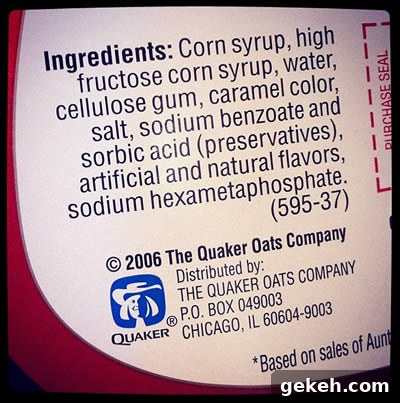
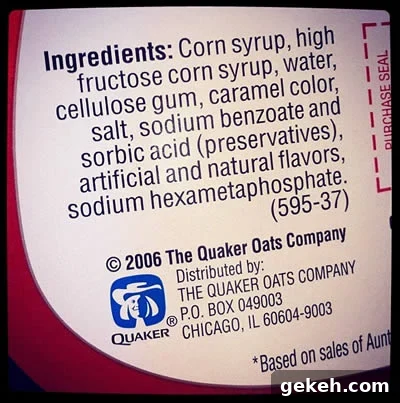
“Natural” is largely unregulated and often misleading. Products labeled “All Natural” can contain high fructose corn syrup, preservatives, artificial colors and flavors, and other industrial additives that have little to do with anything truly natural. The term carries emotional weight, which makes it effective marketing even when it’s inaccurate. A practical rule: if you see “natural,” start by assuming it may not mean what you think and check the ingredients.
2. “Multigrain”
“Multigrain” simply means more than one type of grain—nothing about the grains being whole. A product can be multigrain and still be made mostly from refined flour with a small amount of other grains added. If whole grains are important to you, look for “100% whole grain” or inspect the ingredient list to make sure whole grains are listed first.
3. “Artisan”
“Artisan” implies small-batch, hand-crafted production using traditional methods. In practice, large manufacturers sometimes use the term to suggest craftsmanship while using industrial ingredients and processing aids. If a product claims to be artisan, check the ingredient panel—truly handmade or traditional foods rarely contain long lists of unfamiliar chemical additives.
4. “Moderation”
The industry’s suggestion to enjoy treats “in moderation” assumes you’re otherwise meeting all nutritional needs that day. Official dietary guidance has described the idea of discretionary or empty calories—the limited amount of non-nutritive calories you might fit into a healthy eating pattern—but most people don’t consume every other meal perfectly. Small daily indulgences from condiments, drinks, or snacks add up quickly, often using up the modest allowance for empty calories. A more realistic approach for many is to enjoy indulgent foods less frequently—such as once a week—so those treats truly feel like treats and don’t displace more nutritious choices. Keeping a short food log can help reveal where those extra calories are sneaking in.
5. “Wholesome”
“Wholesome” suggests health-promoting ingredients, but the claim can be used broadly across product lines that contain significant amounts of sugar, refined fats, preservatives, and other additives. For example, a brand that offers plain oats (which are wholesome) might also sell flavored bars or instant mixes with sugar, syrups, partially hydrogenated oils, and artificial flavors. Don’t let a single positive-sounding word replace an actual look at the ingredient list and nutrition facts.
Bonus word: “Goodness”
Words like “good” and “goodness” are common marketing tools: unregulated, emotionally positive, and vague. They create a favorable impression without conveying specific nutritional value. When packaging repeatedly emphasizes goodness, take it as a prompt to scrutinize the ingredients and nutrition information more closely—what sounds appealing on the front may not match what’s inside.
In short, be wary of vague, positive-sounding terms on food packaging. They’re designed to influence choices, not to provide clear nutrition guidance. Your best defenses are a skeptical eye, familiarity with ingredient labels, and a habit of checking nutrition facts rather than relying on marketing language.