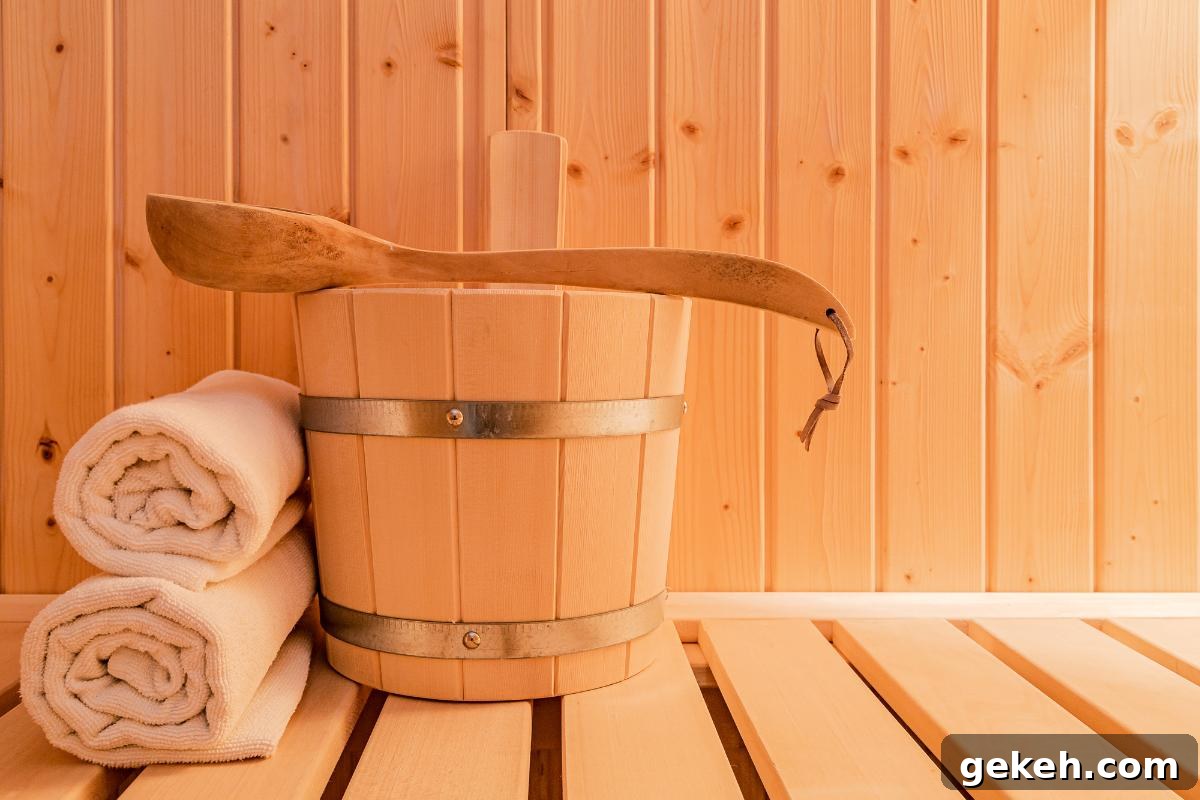
A sauna is a small, heated room designed to encourage sweating using dry heat or steam. People use saunas for relaxation, stress relief, and overall wellness. The heat relaxes muscles, eases aches and joint discomfort, and boosts circulation. Intense warmth promotes sweating, which helps cleanse the skin and may support toxin elimination. Regular sauna sessions also often lead to a calm mind, reduced stress, and better sleep quality. When used sensibly, saunas can contribute to cardiovascular health and immune support, but safe practices are essential to maximize benefits and avoid harm.
Overheating
Heat levels and exposure time matter. Research comparing sauna sessions at about 80°C and 120°C found that very high temperatures (around 120°C) caused symptoms of heat exhaustion—nausea, confusion, rapid heart rate—and worsened mood among occasional users. In contrast, sessions near 80°C tended to improve mood and caused fewer adverse physiological effects. For most people, especially those who use saunas infrequently, lower temperatures and shorter sessions offer more benefit with less risk. Always listen to your body, limit time spent in extreme heat, and step out if you feel lightheaded or unwell.
Dehydration
Sweating during sauna use can lead to fluid loss that affects more than just hydration. A controlled study that produced about a 3% loss in body weight from sweating showed increased intestinal permeability and elevated markers of inflammation. While this didn’t necessarily cause visible damage to intestinal cells, it did indicate that dehydration can alter gut function and increase stress on the body. To protect gut health and overall well-being, rehydrate before and after sauna sessions and monitor fluid intake to avoid significant dehydration.
Wearing Shoes
Wearing shoes inside a sauna is generally discouraged. Shoes can scuff or damage benches and flooring, track in dirt and debris, and reduce the skin’s direct exposure to heat, which lessens the sauna’s effectiveness. For hygiene and comfort, go barefoot or wear simple, sauna-appropriate footwear such as flip-flops when moving to and from the facility. Keeping footwear minimal helps preserve a clean environment and allows the sauna to deliver its intended benefits more effectively.
Alcohol Consumption
Combining alcohol and sauna use carries significant risks. Alcohol impairs cardiovascular regulation and can increase the likelihood of orthostatic hypotension, fainting, and heat-related accidents. Intoxication or hangover states can also trigger cardiac rhythm problems, which heat exposure may worsen. Many sauna-related injuries and fatalities involve alcohol use. To minimize serious health risks, avoid drinking before or during sauna sessions and prioritize sobriety when using heat facilities.
Eating Heavy Meals
Entering a sauna immediately after a large meal is not advisable. Heavy digestion redirects blood flow to the gastrointestinal tract; adding intense heat can create discomfort, indigestion, bloating, nausea, dizziness, or fainting. To reduce these risks and enjoy the sauna experience, wait at least 30 to 60 minutes after a substantial meal before going in. Light snacks and adequate hydration are preferable if you plan to use the sauna shortly after eating.
Taking Electronics
Electronics are ill-suited for sauna conditions. High temperatures and humidity can damage batteries, screens, and internal components, and moisture can cause corrosion or short circuits. There’s also a safety concern: electronics exposed to extreme heat may malfunction or, in rare cases, pose a fire risk. Beyond device safety, leaving phones and tablets outside the sauna helps maintain a more relaxing, device-free environment that supports the mental-restorative benefits of the session.
In summary, saunas provide notable relaxation and physical benefits when used responsibly. To stay safe and get the most from each session: avoid extreme temperatures and prolonged exposure, stay hydrated, don’t wear outdoor shoes inside, avoid alcohol and heavy meals before using the sauna, and leave electronics outside. These precautions help you enjoy the calming, restorative effects of a sauna while minimizing potential harms.