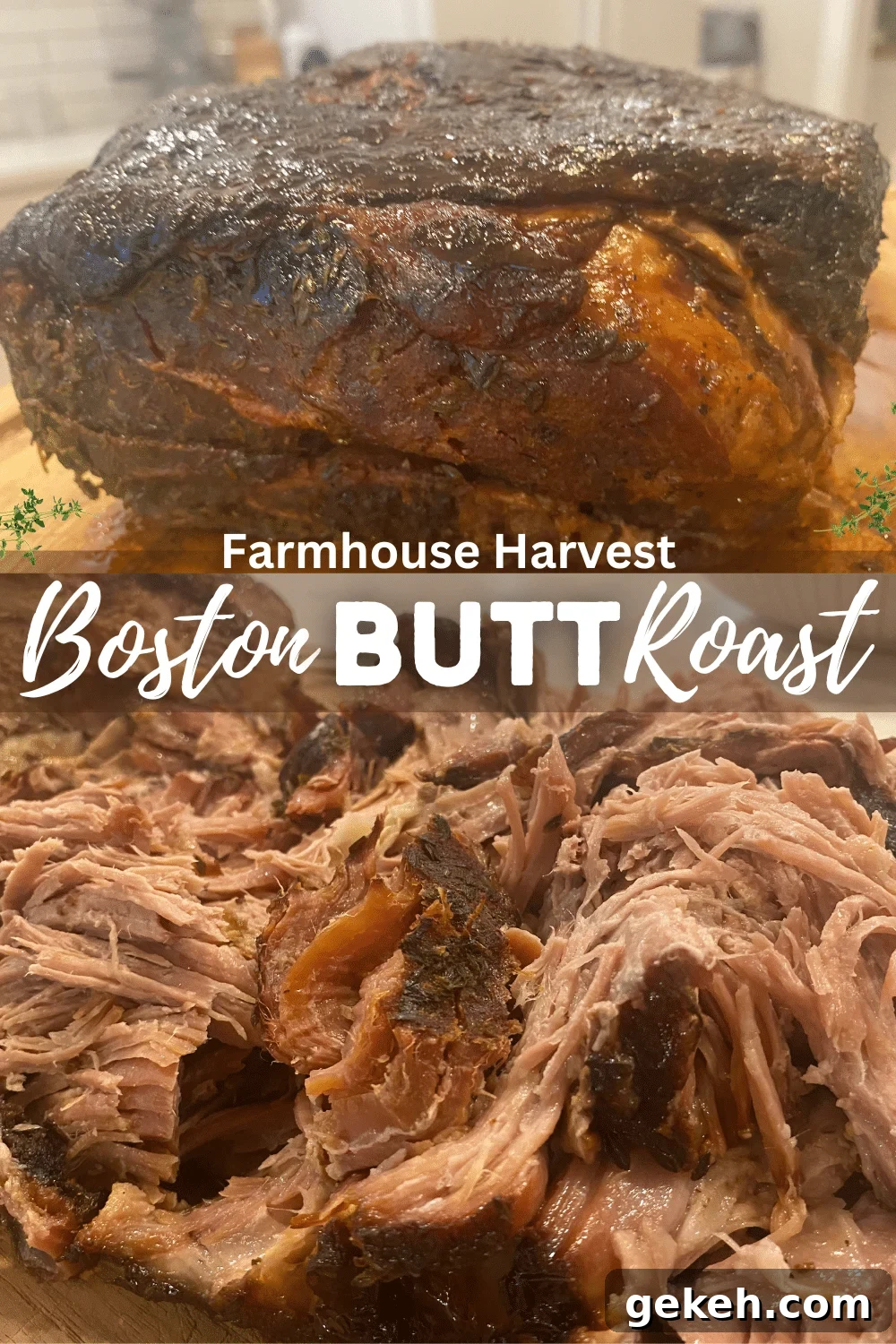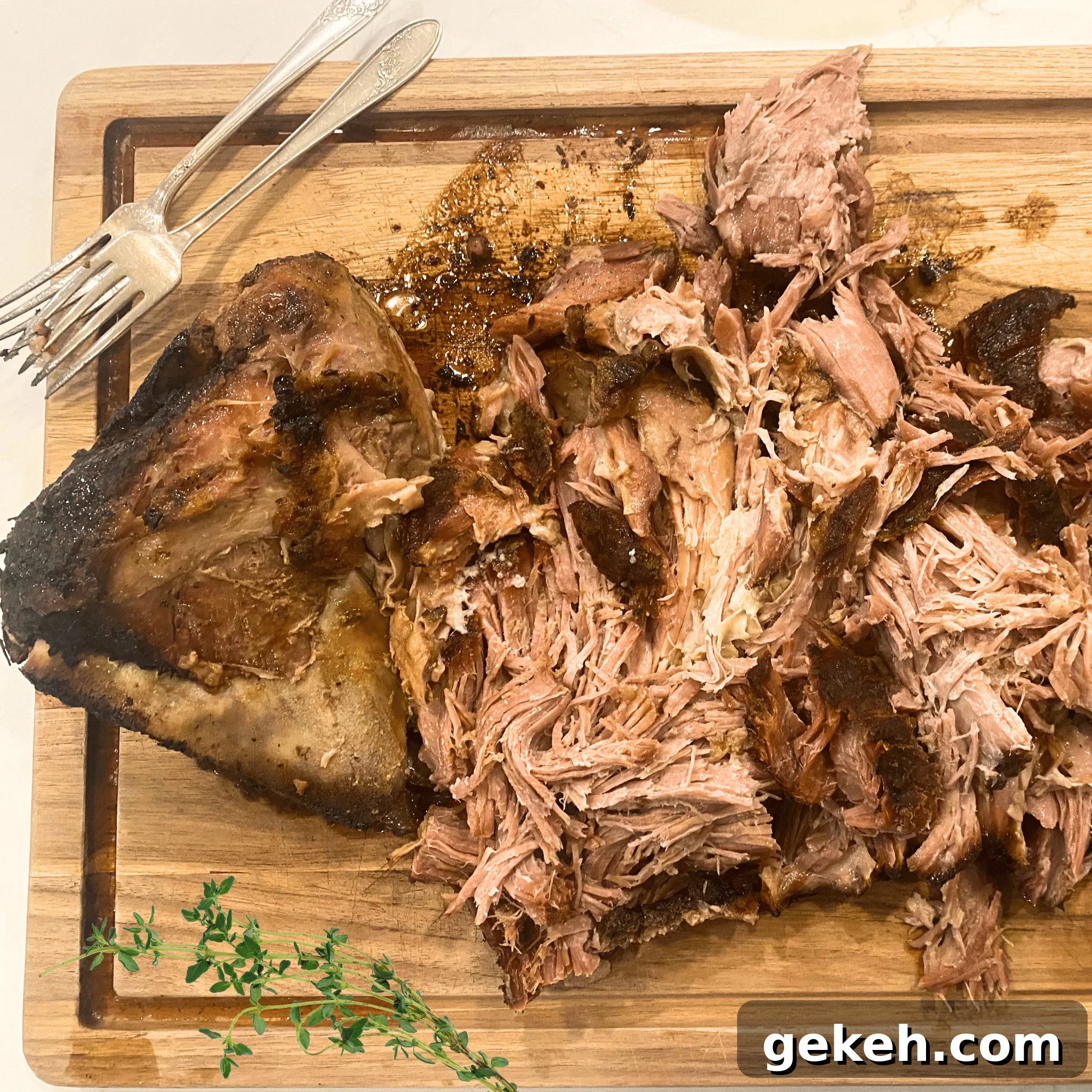
This slow-roasted pork butt (shoulder) becomes fall-apart tender, full of flavor, and perfect for serving whole or as pulled pork.
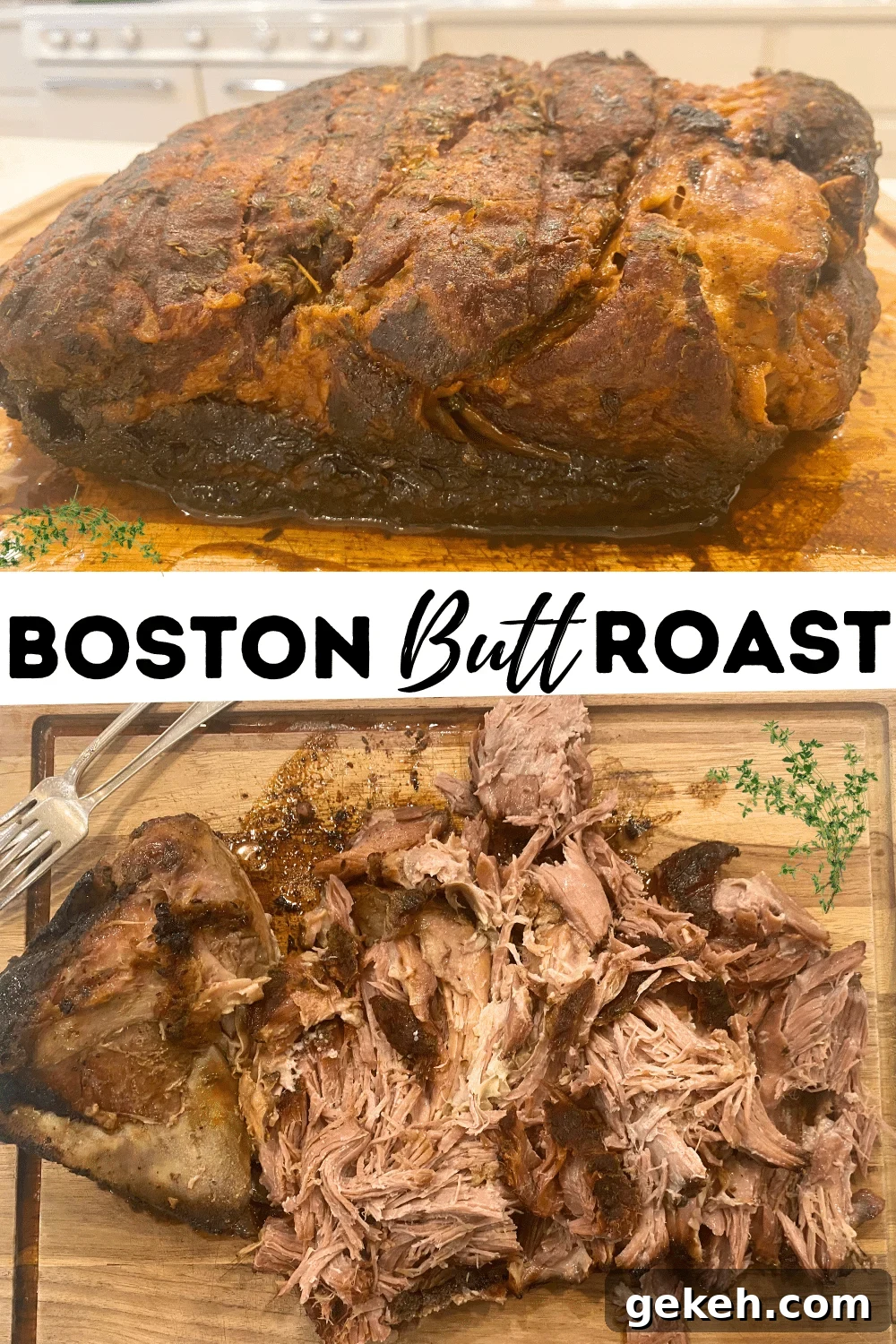
Whether you plan to serve it sliced or shredded, a long dry-rub marinade of 12 hours (or up to 3 days) with brown sugar and herbs builds deep flavor. Low-and-slow oven roasting yields a tender interior and a richly caramelized crust. With planning, this roast is ideal for family meals, gatherings, or special occasions.
The Pork Butt (Shoulder)
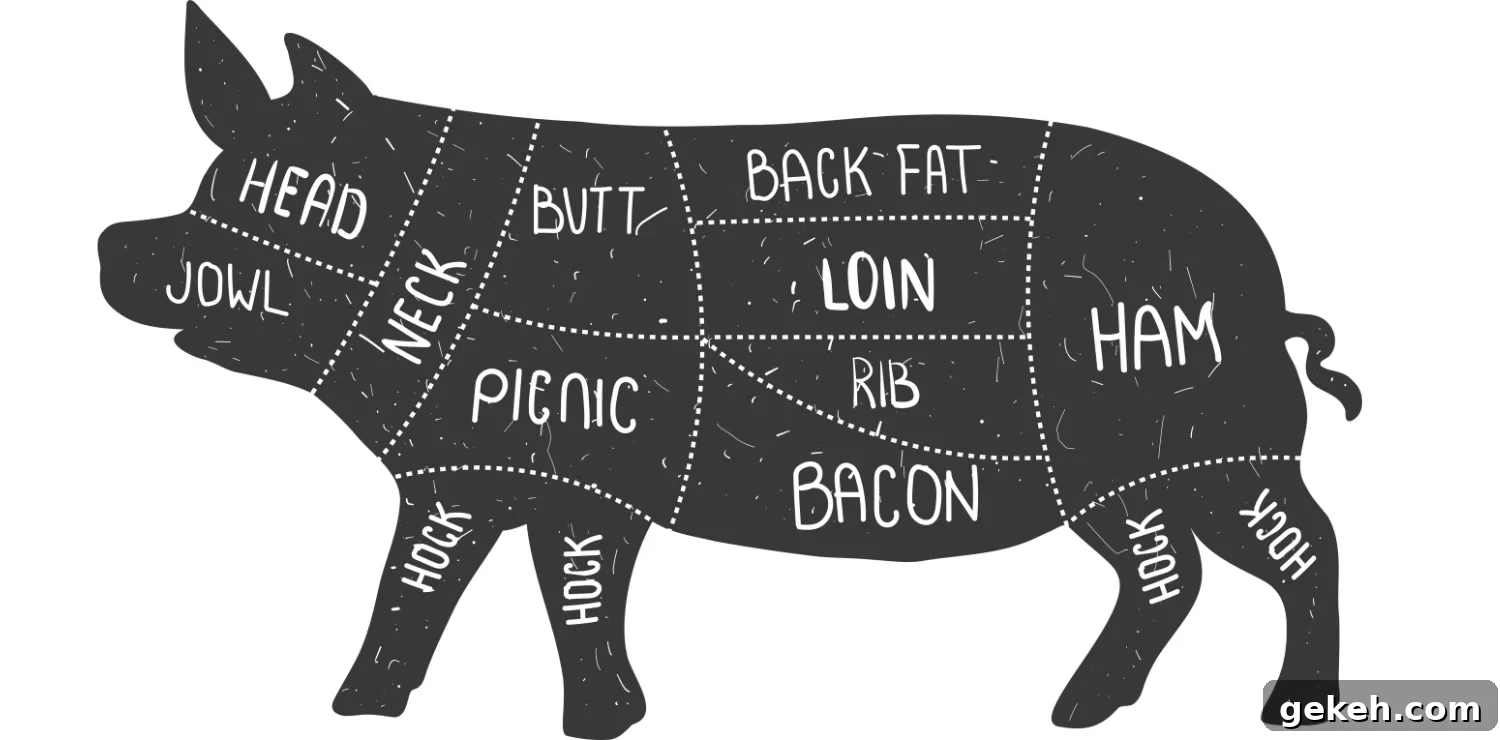
Despite the name, the Boston butt comes from the upper shoulder of the pig, which is why it’s also called pork shoulder. This cut is well-marbled and has a generous fat cap and connective tissue, all of which break down during long, slow cooking to produce juicy, tender meat. It’s versatile—excellent for roasting, smoking, or braising.
This bone-in shoulder develops rich flavor and an appealing texture when cooked at low temperature for several hours. A straightforward dry rub of garlic powder, onion powder, brown sugar, kosher salt, black pepper, and thyme creates a caramelized bark while the interior becomes tender enough to shred.
Use it for pulled pork sandwiches, tacos, or as a main course. After you try this method, it will likely become a go-to in your kitchen.
Equipment and Tools
Gather these essentials before you begin:
- Roasting pan or large cast iron skillet – for even cooking and a good sear.
- Roasting rack – elevates the roast so air circulates and the bottom stays crisp.
- Paper towels – for patting the meat dry.
- Aluminum foil or pink butcher paper – to wrap the roast partway through cooking and retain moisture.
- Meat thermometer – check the internal temperature; aim for 195–200°F for shreddable pork.
- Large cutting board – for carving or shredding.
- Airtight containers – to store leftovers in the refrigerator or freezer.
Key Ingredients
Use quality ingredients for best results:
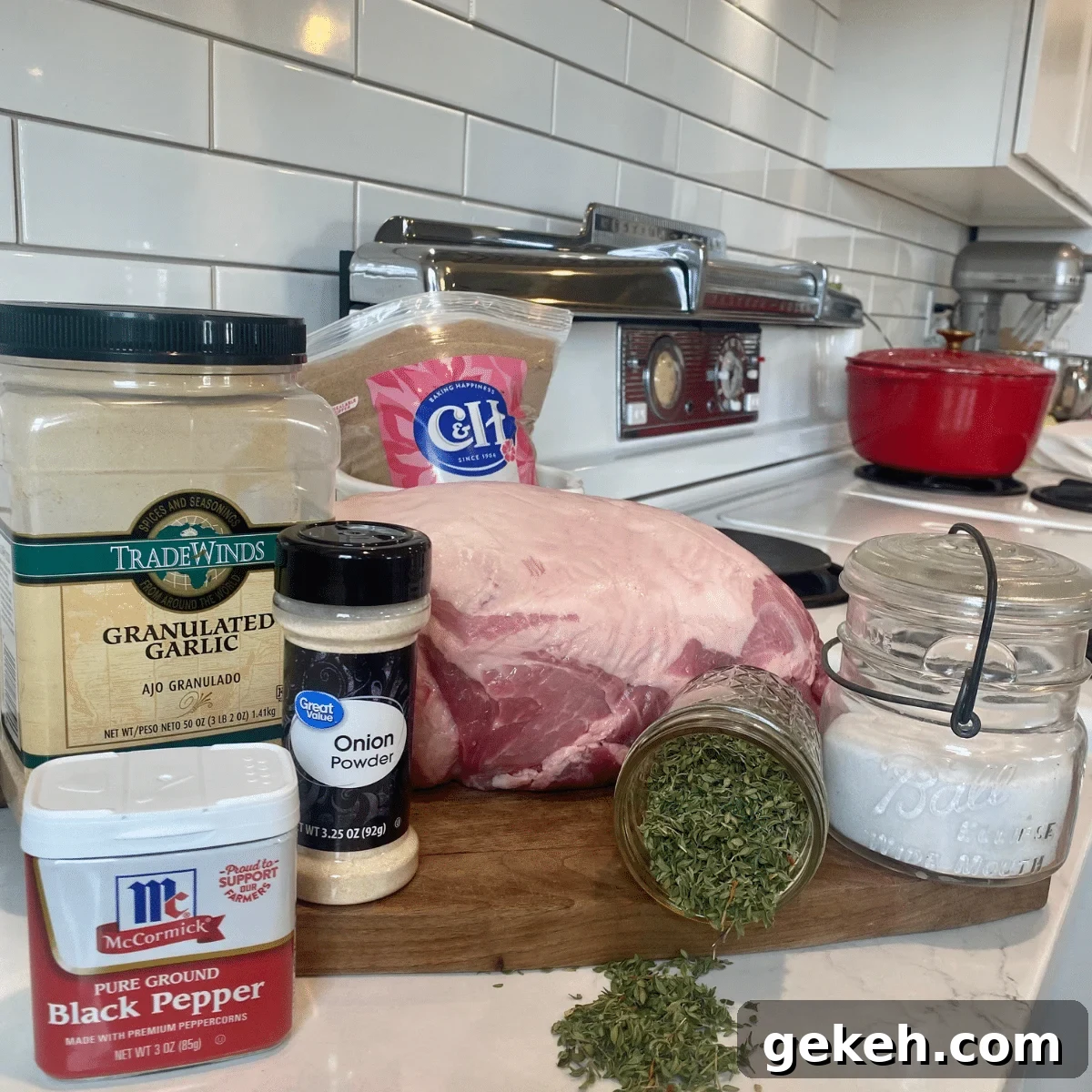
- Pork butt (shoulder roast) – 6–8 pounds is common; choose a well-marbled piece. Don’t trim away all the fat, as it keeps the roast moist.
- Garlic powder and onion powder – add savory depth.
- Brown sugar – balances savory notes and helps form a caramelized crust.
- Kosher salt – seasons and helps retain moisture.
- Black pepper and dried thyme – for balanced spice and herb flavor.
Instructions
Low and slow roasting produces tender meat and a great bark. Follow these steps and tips for consistent results.
Step 1: Make the Spice Rub
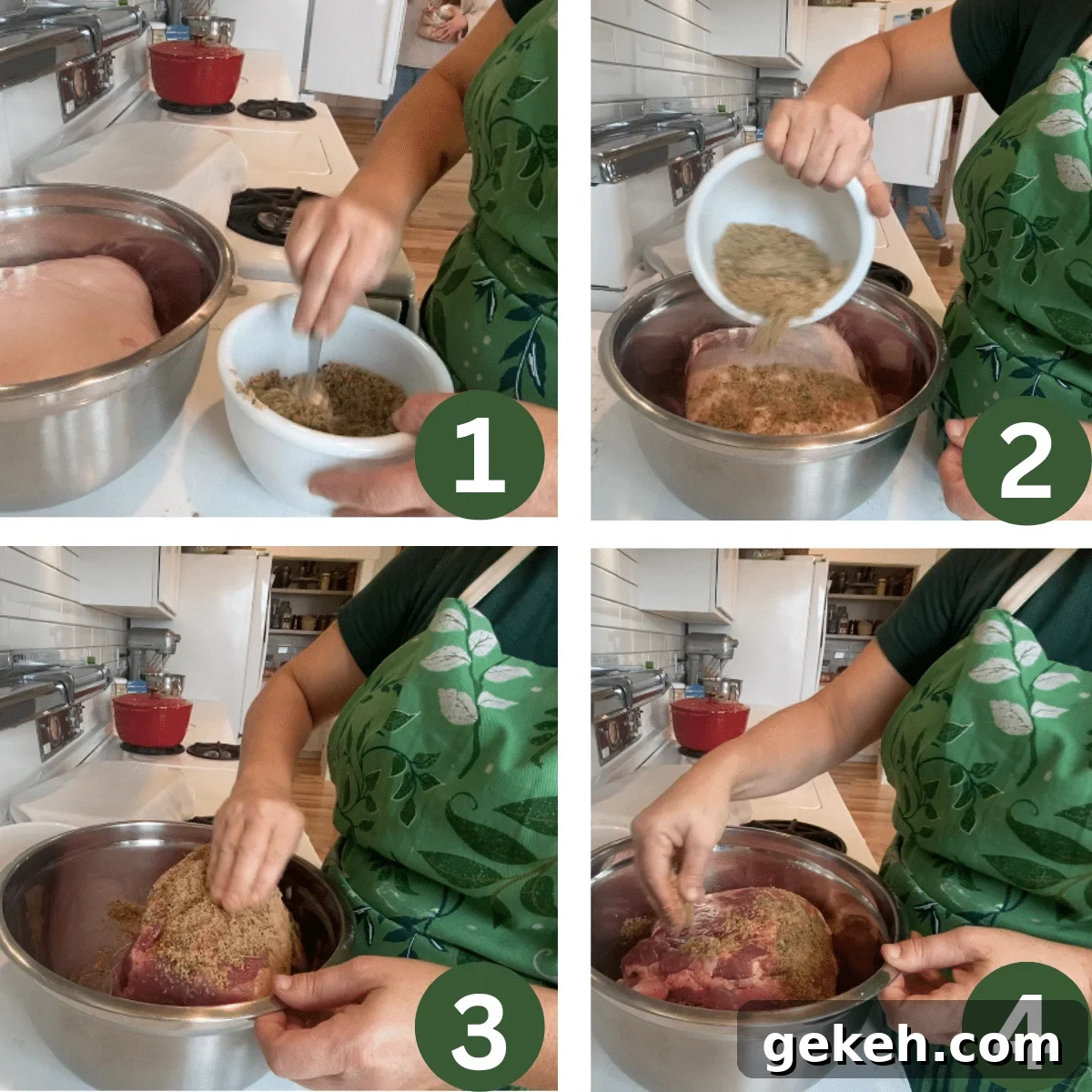
- Combine kosher salt, black pepper, dried thyme, brown sugar, onion powder, and garlic powder in a small bowl.
- This mix balances sweet, savory, and herb notes so the roast develops complex flavor as it cooks.
Step 2: Season Thoroughly
- Rub the spice mix all over the pork, pressing it into crevices. Be generous—this large cut benefits from ample seasoning.
- Let the coated roast sit for a few minutes so the rub adheres before refrigerating.
Step 3: Marinate (Patience Pays)
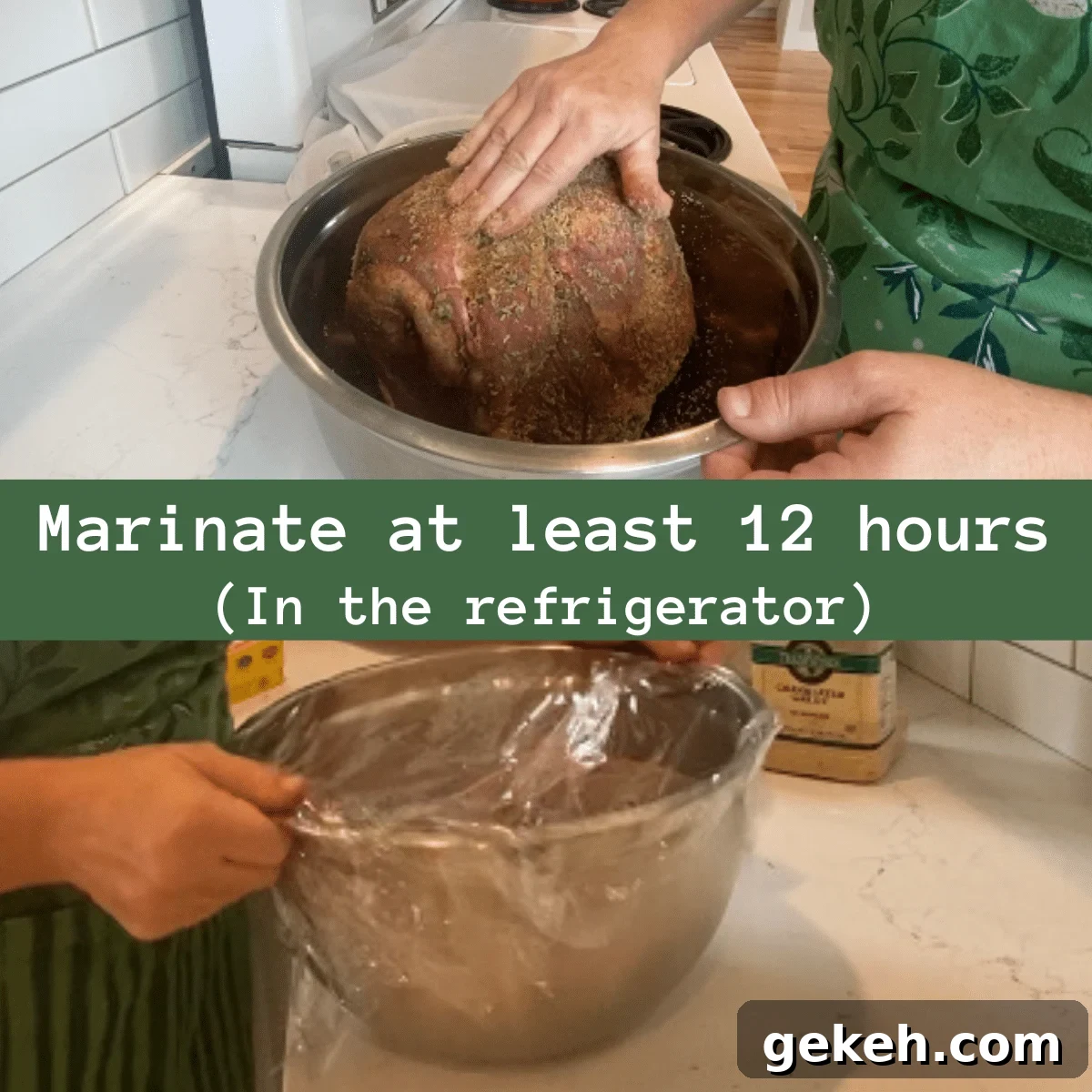
- Place the seasoned pork in the refrigerator and marinate at least 12 hours, up to 3 days.
- This resting period allows the flavors to penetrate and improves overall tenderness.
Start Cooking
Step 4: Prep for Searing
- Remove the roast from the fridge about 30 minutes before cooking so it comes closer to room temperature.
- Preheat the oven to 450°F to begin with a high-heat sear that builds color and flavor.
Step 5: Sear for a Deep Crust
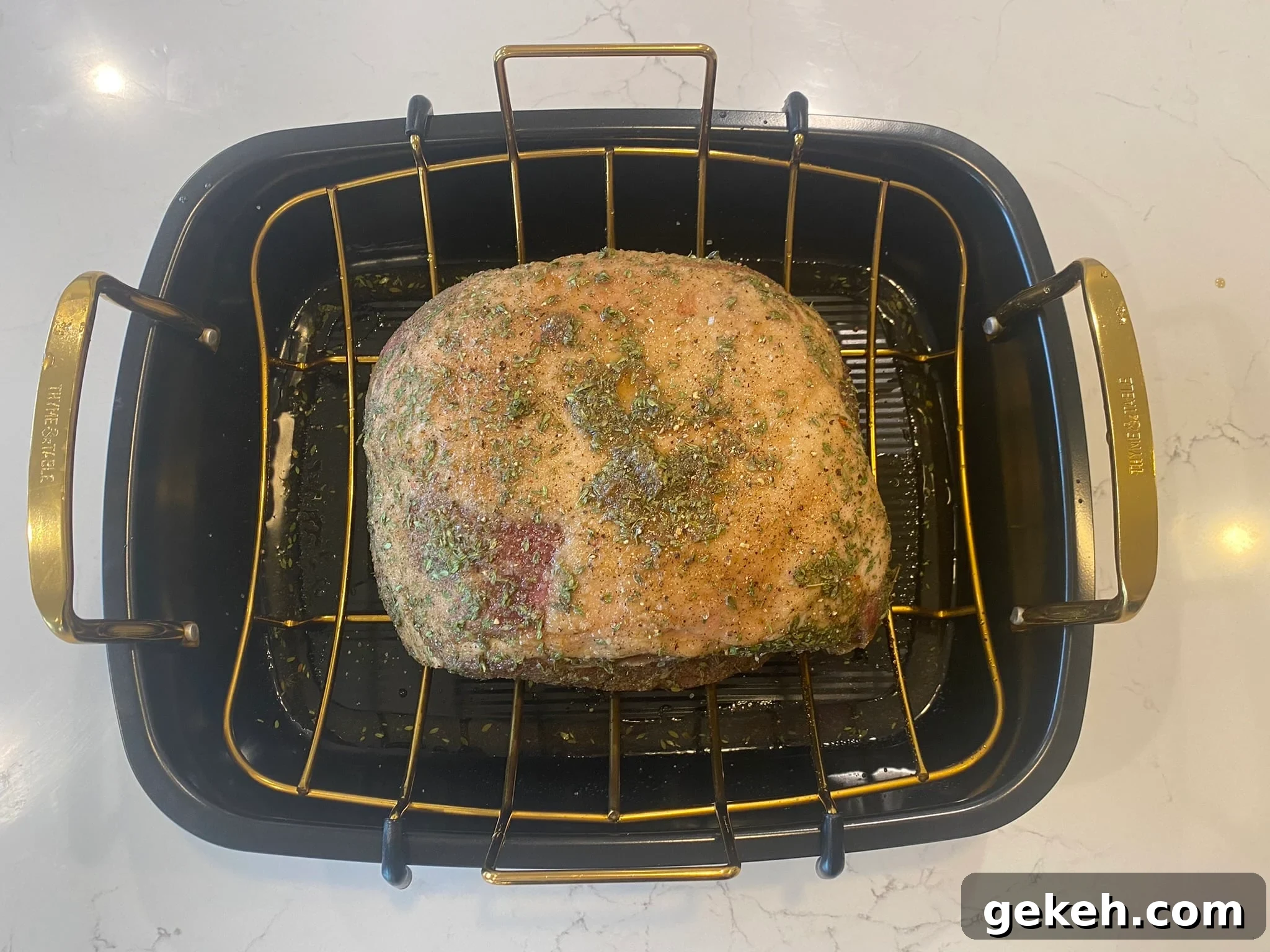
- Place the roast fat-side up on a roasting rack in a pan and roast uncovered at 450°F for 30 minutes to develop a dark, flavorful bark.
- Fat on top melts and bastes the meat during the initial high-heat phase.
Step 6: Lower the Heat and Slow Roast
- Reduce the oven to 250°F and continue roasting uncovered for about 6–8 hours for a medium-sized roast.
- The outside will form a crisp bark while the connective tissue breaks down slowly, tenderizing the meat.
Wrap and Continue Cooking
Step 7: Wrap for Tenderness
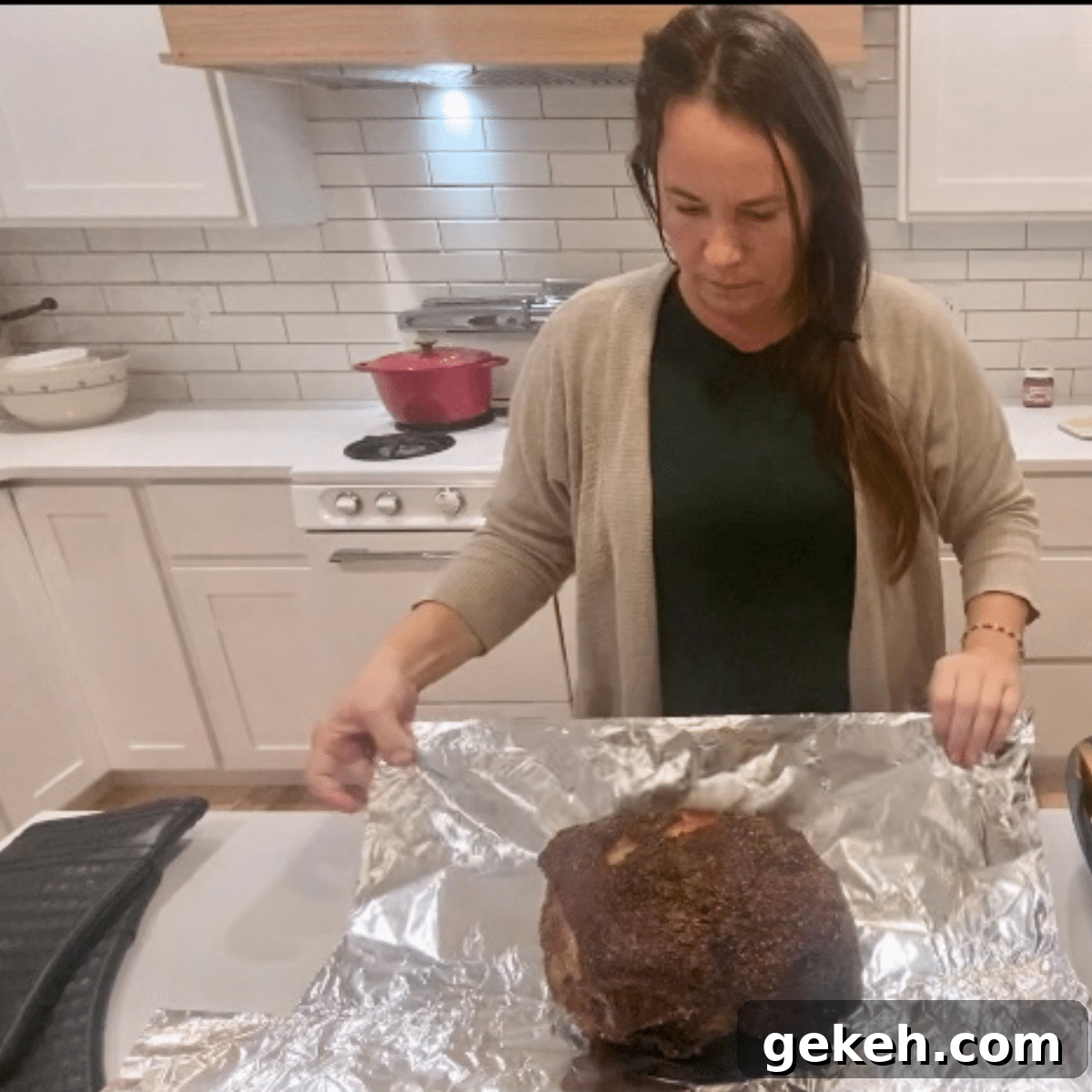
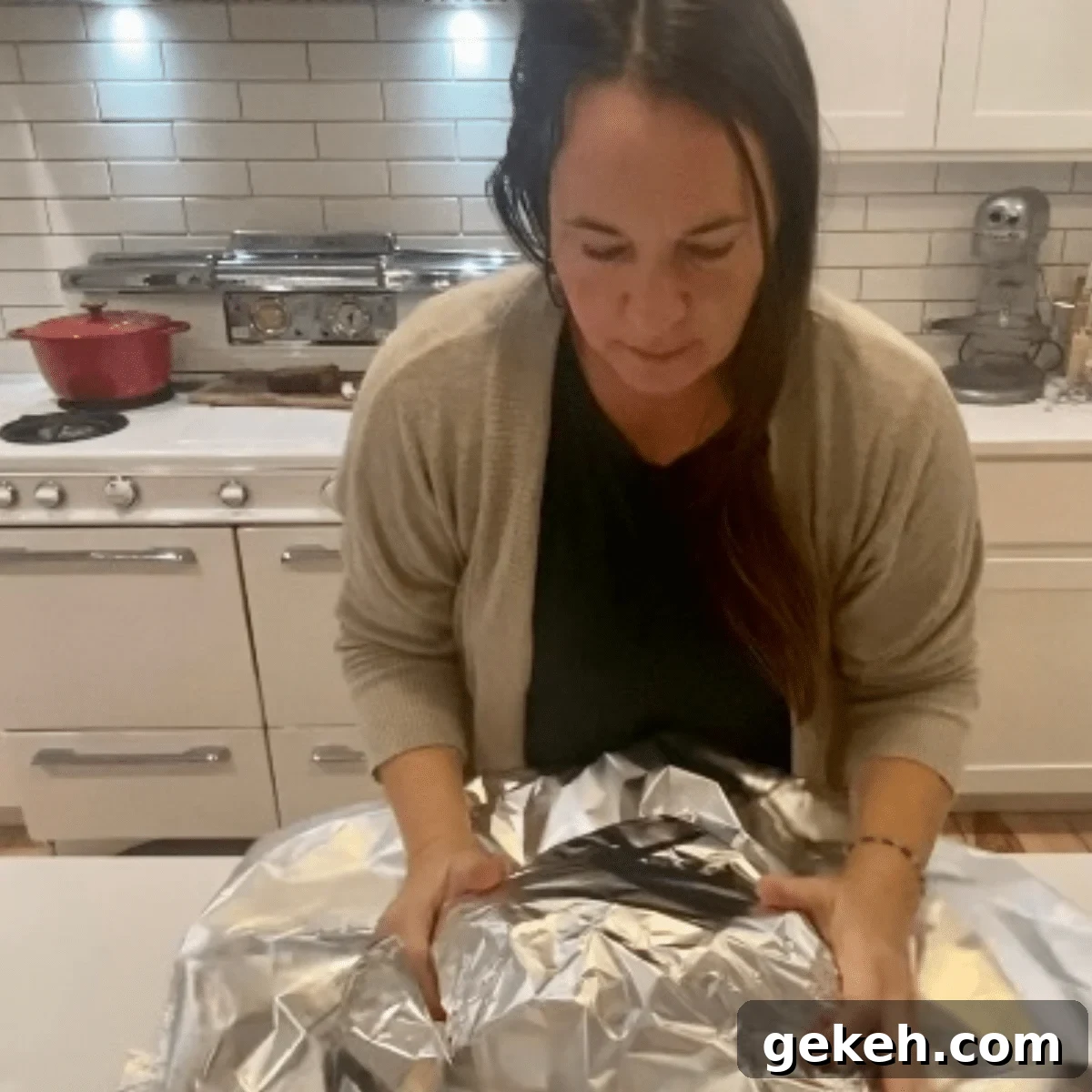
- When the bark is set and glossy (dark and firm), remove the roast and wrap it tightly in two layers of heavy-duty aluminum foil or in pink butcher paper.
- Foil locks in juices for very tender meat; butcher paper lets some steam escape while keeping moisture, preserving the crust better.
Step 8: Finish Low and Slow
- Return the wrapped roast to the oven at 250°F for an additional 2–5 hours, depending on size, until the meat is extremely tender.
- This final slow phase melts connective tissue so the roast becomes easy to shred.
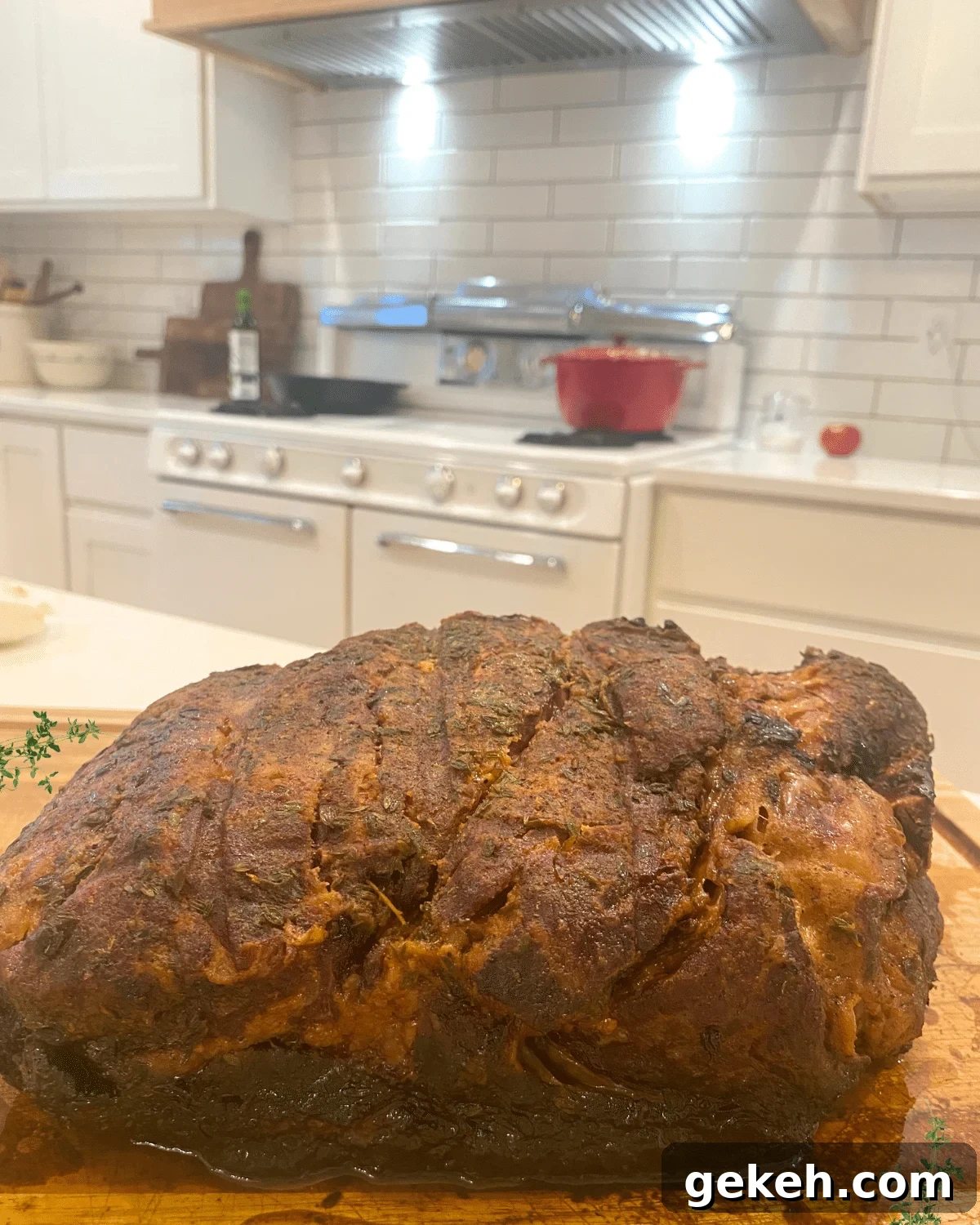
Step 9: Check Doneness
- Use a meat thermometer and target 195–200°F internal temperature at the thickest part.
- Do not remove the roast before it reaches about 195°F if you want easily shreddable pork.
The Final Steps
Step 10: Rest the Roast
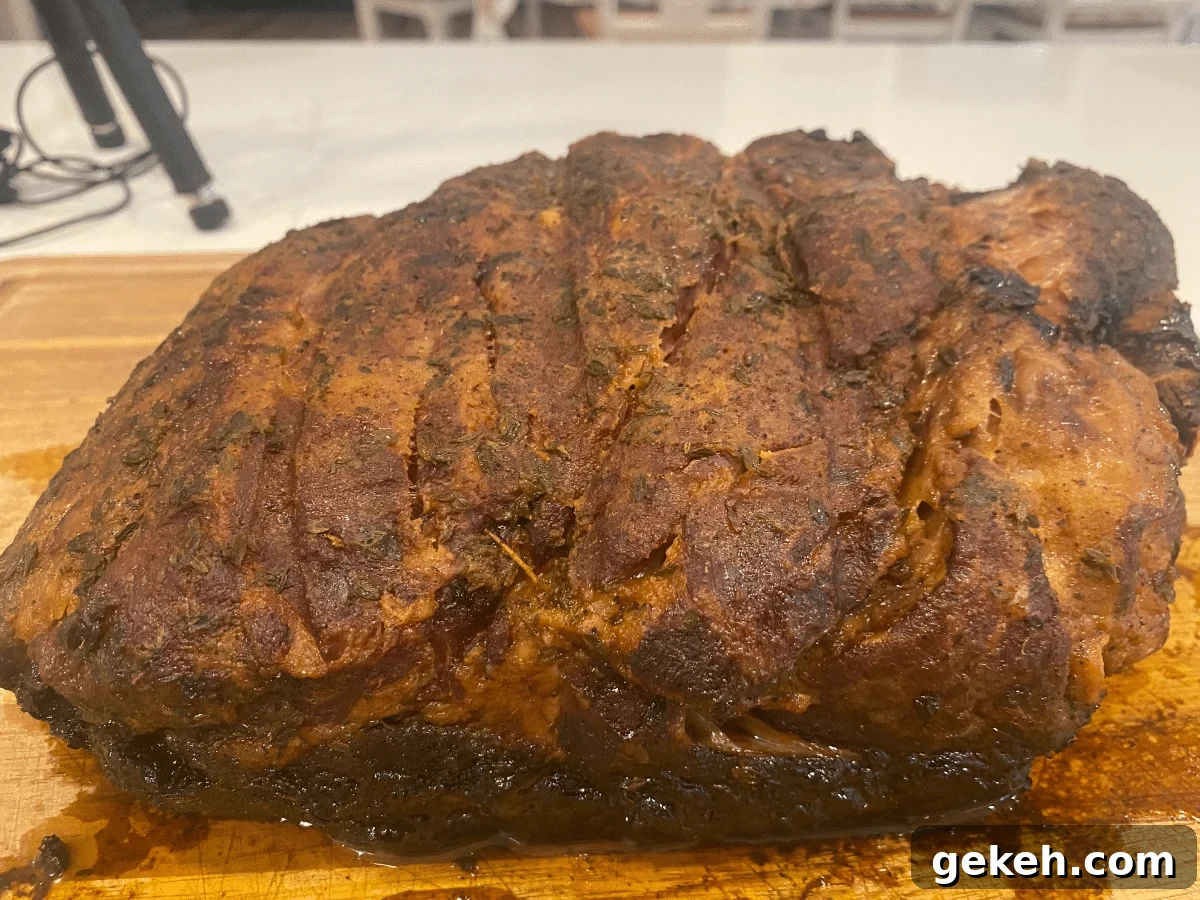
- Let the roast rest 15–20 minutes after removing it from the oven so the juices redistribute.
- This keeps slices or pulled pork moist and flavorful.
Step 11: Slice or Shred
- To slice: cut against the grain for tender portions.
- To pull: use two forks (or your hands) to shred the meat into juicy strands.
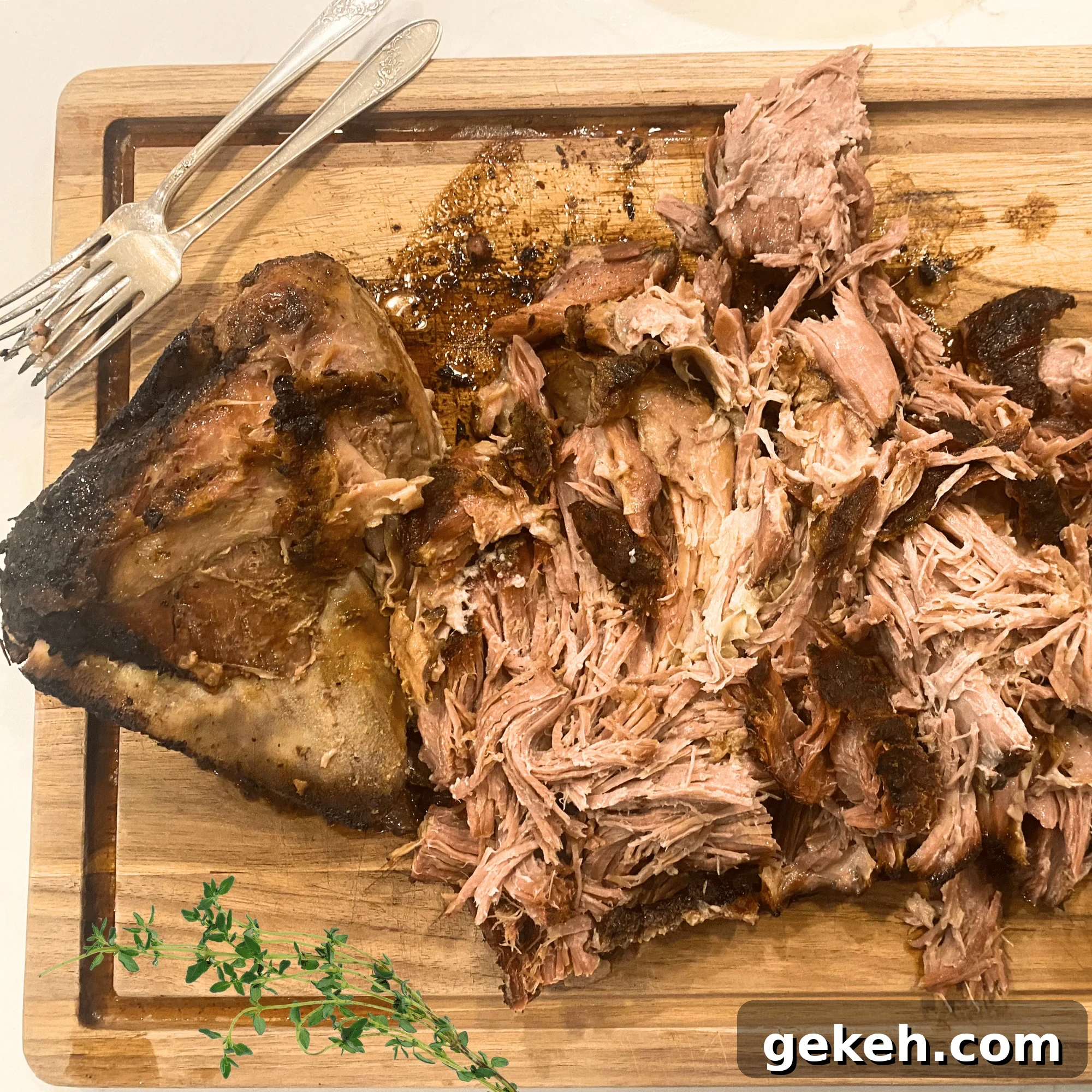
Step 12: Serve and Enjoy
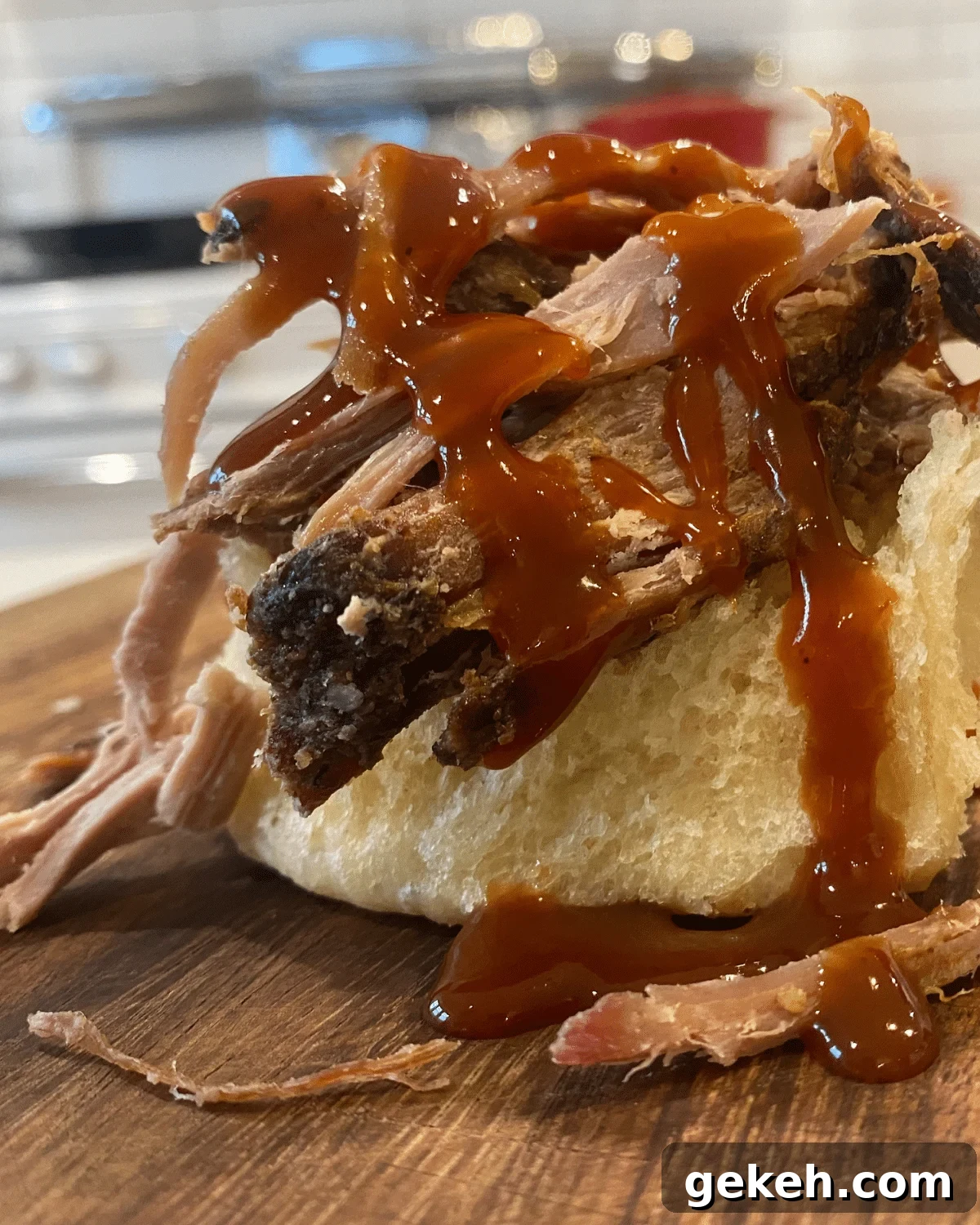
- Serve the roast as-is or with your favorite barbecue sauce for added flavor.
- Store leftovers in airtight containers in the refrigerator for 3–5 days or freeze for up to 3 months.
This roast is rich, tender, and full of flavor—perfect for plates, sandwiches, tacos, or a hearty main course.
Pairing
This pork shines on soft rolls or with cornbread and pairs well with baked beans or tangy kraut. Choose sides that balance the richness—fresh slaws, pickles, or roasted vegetables work well.
Store & Reheat
Cool the roast completely before storing. Divide into portions and keep in airtight containers. Refrigerate for 3–5 days or freeze for up to 3 months. Reheat gently in the oven, slow cooker, or on the stovetop with a splash of liquid to retain moisture. Use leftovers for sandwiches, tacos, salads, or bowls.
More Pork Recipes
- Grilled Pork Loin
- Easy Bone-In Pork Chops
- Smoked Pork Loin
- Fresh Ham Roast
- The Best Pulled Pork
Fall Apart Pork Butt Roast Recipe
Fall Apart Pork Butt Roast Recipe
Ingredients
- 6–8 pound pork shoulder (Boston butt)
- 1 1/2 tablespoons kosher salt
- 2 teaspoons ground black pepper
- 1 tablespoon dried thyme
- 1/2 cup brown sugar
- 1 tablespoon onion powder
- 1 tablespoon garlic powder
Instructions
Marinate
- Combine salt, pepper, thyme, brown sugar, onion powder, and garlic powder. Rub onto all sides of the meat. Cover and refrigerate at least 12 hours, up to 3 days. (If short on time, proceed without marinating.)
Roast
- Preheat oven to 450°F.
- Set a wire rack in a roasting pan. Place the pork fat-side up on the rack and let it come to room temperature while the oven heats.
- Roast uncovered at 450°F for 30 minutes.
- Reduce oven to 250°F and roast uncovered until the exterior forms a dark, glossy bark, about 6–8 hours for a 6-pound roast.
- Remove the roast and wrap it tightly in pink butcher paper or two layers of heavy-duty aluminum foil.
- Return to the oven at 250°F and continue cooking until internal temperature reaches 195–200°F, about 2–5 more hours depending on size.
- Transfer to a cutting board and rest 20–30 minutes.
- Slice against the grain or pull apart with forks. Serve with BBQ sauce if desired.
Notes
- Allow plenty of time; the roast can marinate up to 3 days.
- Start early the day you plan to serve it—this recipe takes many hours to roast.
- Use an instant-read thermometer through the wrapping to check temperature.
- Pink butcher paper helps retain moisture while preserving the crust better than foil.
- Internal temperature is the best indicator of doneness; don’t rely solely on time.
Nutrition (per serving)