Gluten Free Skincare: Are gluten-free cosmetics, lotions, soaps and toiletries really necessary? In some cases, yes.
Many people ask whether gluten-free skincare is necessary. The answer isn’t always simple, especially for those with celiac disease, non-celiac gluten sensitivity, or autoimmune conditions where a gluten-free diet is advised.
For years gluten-free skincare was dismissed as a marketing angle. That view shifted after research from George Washington University showed gluten appears in many cosmetics and topical lotions and that such products may worsen symptoms for some people with celiac disease. The study’s lead author, Dr. Pria Prakash, notes that anyone sensitive to gluten could potentially experience a topical reaction.
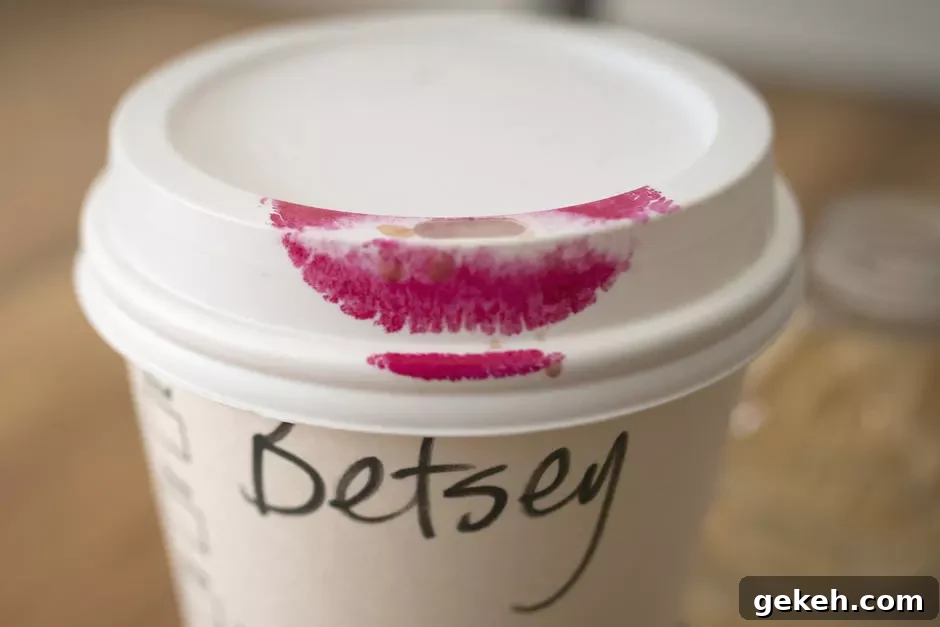
This finding matters because many physicians previously minimized the potential impact of gluten in topical products. Evidence has mounted that accidental exposure can happen from lotions, lipsticks and other items used near the mouth. Dental products such as mouthwash, toothpaste, and supplies used by dentists or orthodontists can also be sources of inadvertent exposure, so it’s sensible for sensitive individuals to check those items as well.
What do doctors say about topical gluten exposure?
Gastroenterologists commonly advise celiac patients to avoid gluten-containing products that come close to the eyes and mouth, including lip products and mascaras that can flake off. Many clinicians believe gluten in lotions and shampoos is less likely to cause harm because the intact skin barrier prevents large molecules from entering the bloodstream. That said, accidental ingestion remains possible if products are used around the mouth.
People with dermatitis herpetiformis or heightened gluten sensitivity may be more prone to reactions from cosmetics containing wheat-derived ingredients. It’s also important to remember that other ingredients—triclosan, parabens, formaldehyde and similar substances—can trigger skin reactions unrelated to gluten. If a topical product causes irritation or other symptoms, stop using it and consult your healthcare professional.
Where is gluten found in skincare
Gluten in skincare doesn’t always appear with an obvious label. Unlike food packaging, cosmetic and toiletry labels may not identify wheat, barley or rye as allergens, and many products aren’t labeled gluten-free. Gluten can be present in unexpected ingredients, including some forms of vitamin E derived from wheat germ and botanical extracts listed by their Latin names, such as triticum vulgare, hordeum vulgare, secale cereale, avena sativa and others. To be cautious, avoid formulations that list oats, barley, wheat or extracts derived from those grains if you need to minimize topical gluten exposure.
Risk increases when the skin barrier is compromised
Recent research indicates that when the skin barrier is broken—by lesions, eczema, or other wounds—gluten proteins applied to the skin could penetrate deeper and potentially enter the bloodstream. For people with celiac disease, that route may trigger an immune response similar to what happens after oral ingestion of gluten.
Dr. Alessio Fasano, Director of the Center for Celiac Research and Treatment and Director of the Mucosal Immunology and Biology Research Center at Massachusetts General Hospital, has commented that while the gastrointestinal tract is the primary route that triggers celiac disease, evidence suggests that broken skin may allow topical gluten to reach the bloodstream and promote an immune response. He notes, however, that intact skin—with its multiple protective layers—should prevent significant absorption of large molecules like gluten.
Dr. Daniel Leffler, director of clinical research for the Celiac Center at Beth Israel Deaconess Medical Center, has also acknowledged this concern and emphasized individual variability in disease and sensitivity. Because of this variability, clinicians may recommend practical measures even when research is not yet definitive.
A major challenge for consumers is the lack of clear ingredient labeling on cosmetics and topical products. An investigation of several major cosmetic companies found that very few provide detailed ingredient disclosures, and even fewer indicate whether products contain gluten, making it hard for sensitive individuals to make informed choices.
>> Some household cleaners and other common products may also contain gluten <<
If you want to avoid gluten in cosmetics and skincare, watch for ingredients and derivatives of wheat, barley, rye, oats and their Latin names: triticum vulgare, hordeum vulgare, secale cereale and avena sativa.
Interested in gluten-free skincare?
If you prefer to use gluten-free personal care products, here are brands and product lines that many people with sensitivities have found helpful. These selections are offered as examples and reflect a range of options for lip care, sunscreens, body care, makeup and specialized skincare. Availability and formulations can change, so always check current ingredient lists and company statements if you have strict requirements.
Examples include: Andalou Naturals (noted for gluten-free lip treatments), Goddess Garden Organics (natural mineral sunscreens and lip products that avoid common allergens), California Baby + Kids (sensitive-skin formulas and gluten-free oatmeal options), Deep Steep (natural bath and body products labeled gluten-free), Red Apple Lipstick (certified gluten-free cosmetics), DeVine Lip Shimmers (natural, antioxidant-rich glosses), EcoLips (vitamin E sourced from sunflower), Younique (gluten-free makeup), Gabriel Cosmetics and ZuZu Luxe (certified gluten-free and vegan), Afterglow Cosmetics (certified gluten-free and organic), Juice Beauty (organic, certified gluten-free skincare and makeup), Hyalogic (gluten-free personal care focused on hydration), SeneGence (many gluten-free lip and skincare products), Crunchi (organic and ECOcertified cosmetics), Just Love Massage Oils (organic, edible and gluten-free oils), plus other brands offering gluten-free ranges such as Arbonne, Mineral Fusion and Mary Kay.
If you have a favorite gluten-free skincare brand or product, share it with your community so others with sensitivities can learn from your experience.
*Some products mentioned were provided to the author for review in certain cases, while others were purchased personally. These are the author’s honest opinions. Always read product labels and consult healthcare providers when in doubt about suitability for celiac disease or gluten sensitivity.