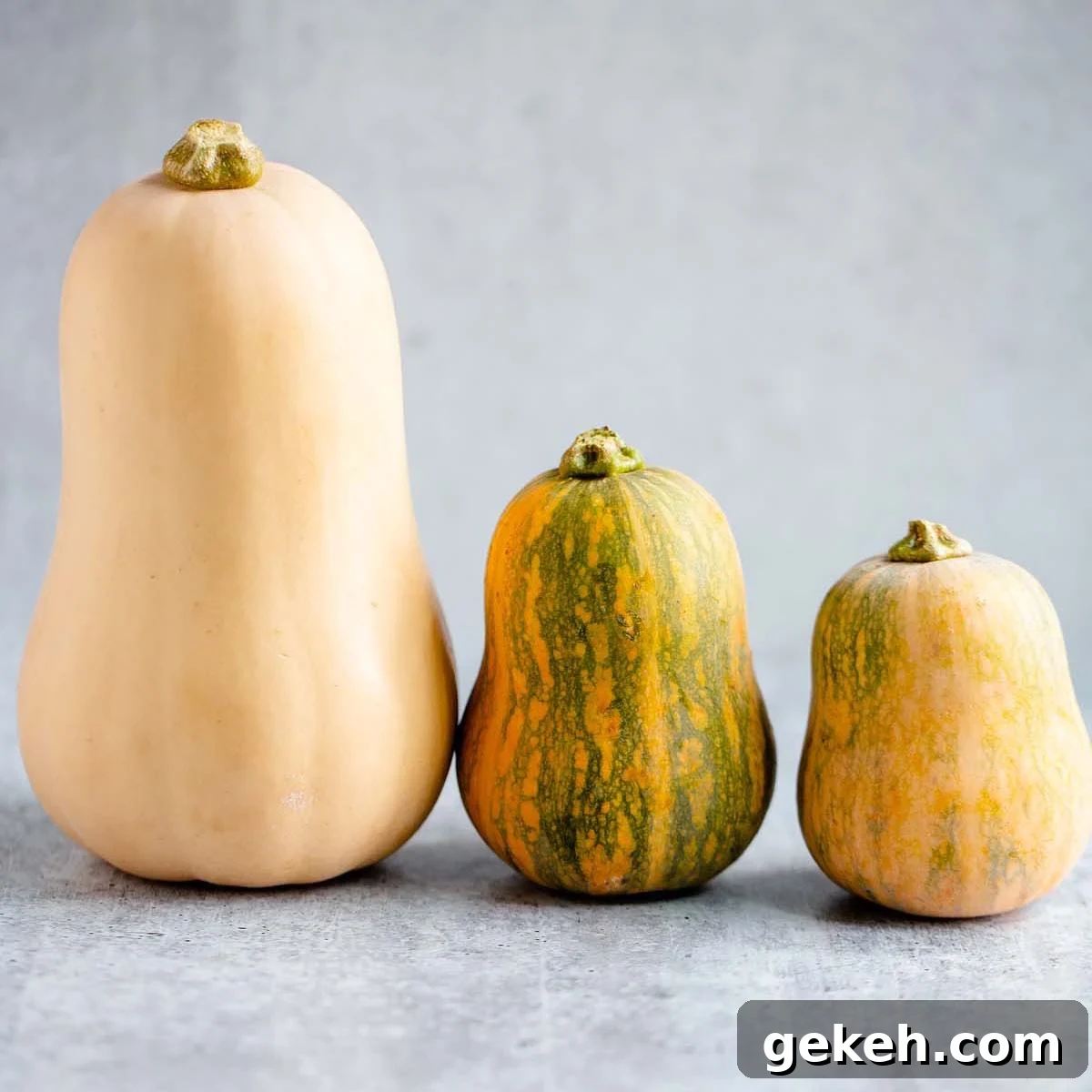
What is the difference between honeynut squash and butternut squash? Below you’ll learn how these two winter squashes differ, where and when to find honeynut squash, and simple, tasty ways to cook it.
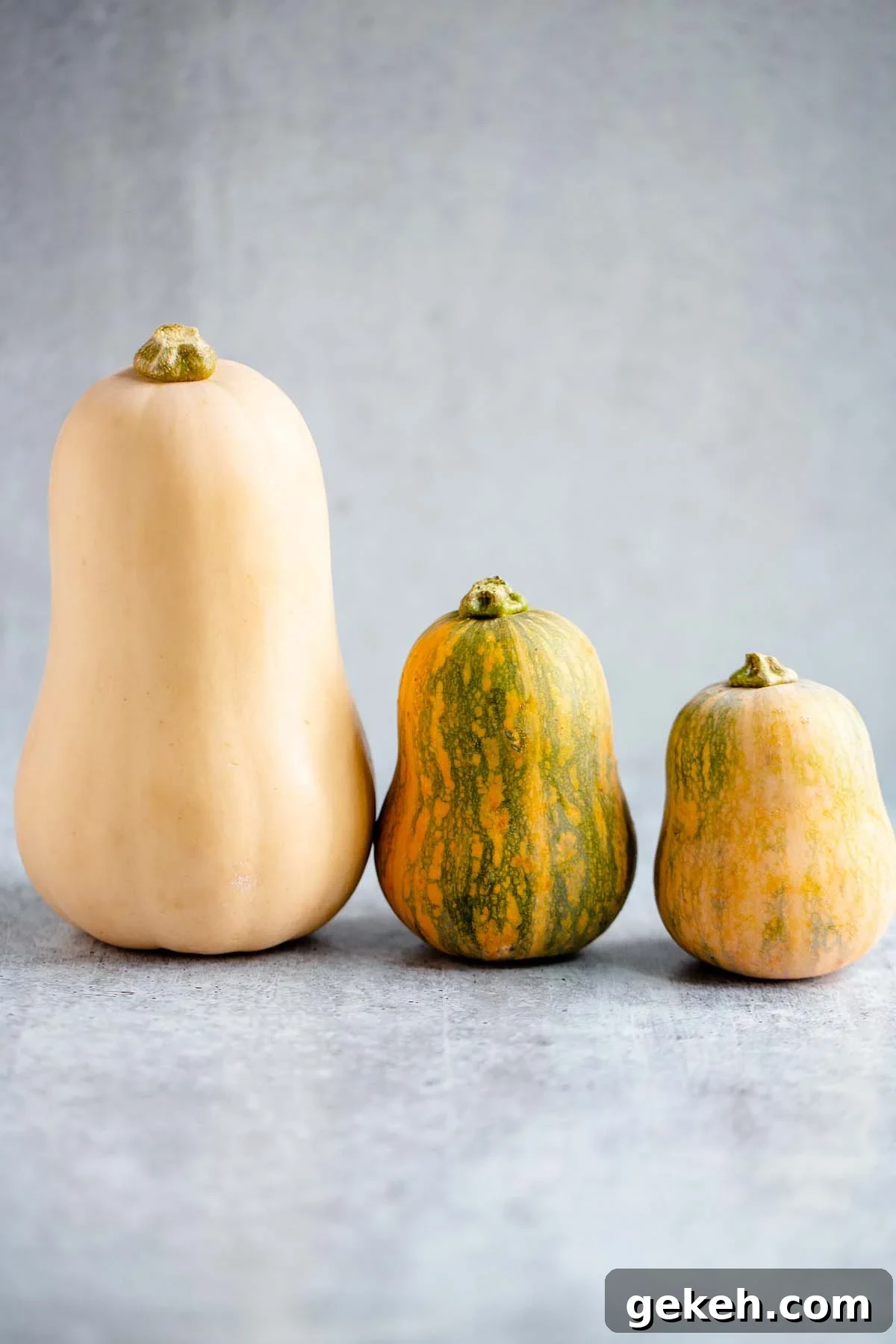
What is honeynut squash?
Honeynut squash is a compact winter squash created by crossing butternut and buttercup squashes. Bred recently as a collaboration between plant breeder Michael Mazourek at Cornell and chef Dan Barber, it was developed to concentrate the flavor of butternut into a smaller, sweeter fruit with a thin, edible skin.
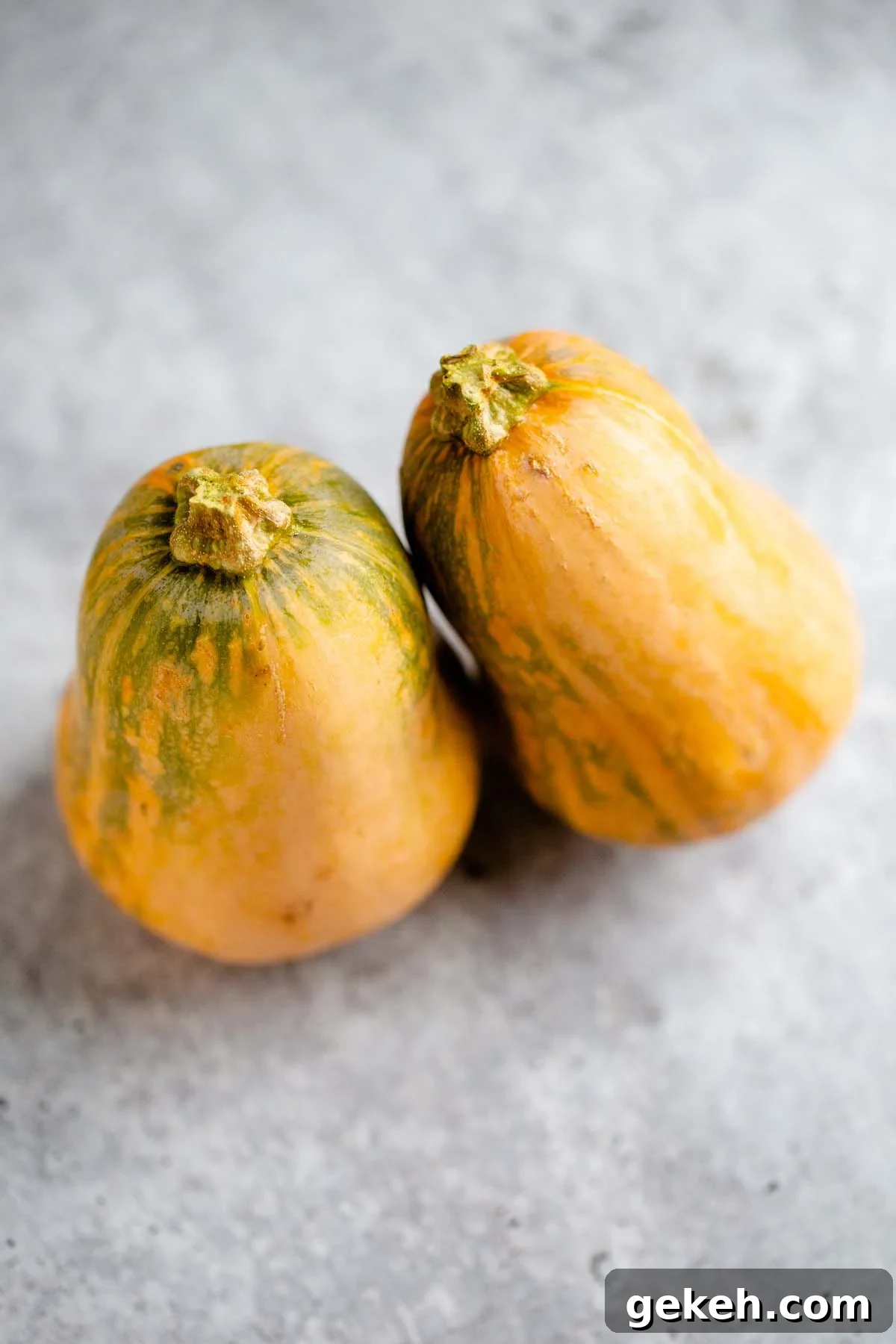
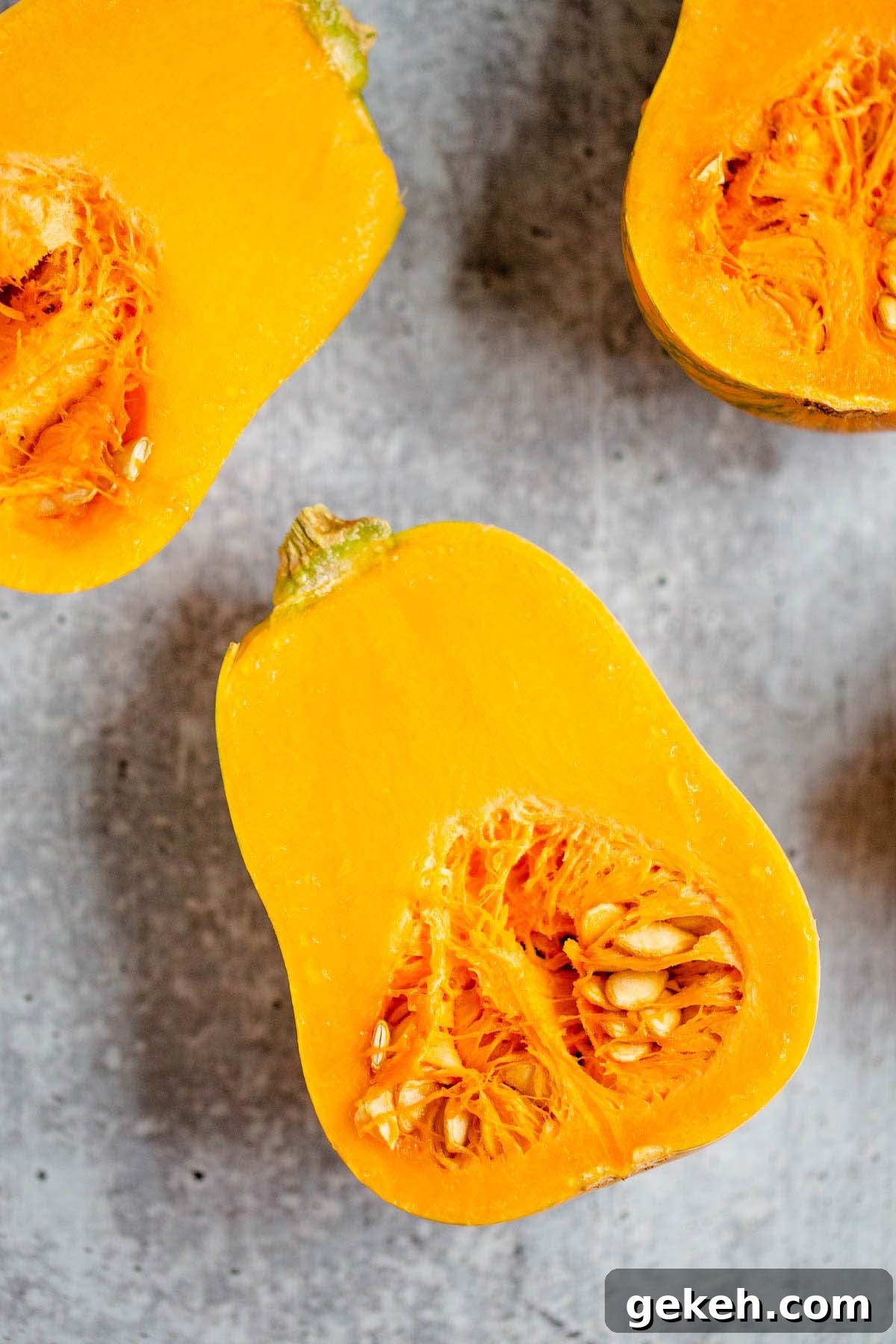
When ripe the skin turns a golden orange (it can be green when unripe). Its concentrated sweet and nutty flesh works well roasted, air-fried, pureed into soups, or simply baked whole. The seeds can also be scooped and roasted for a crunchy snack.
What is butternut squash?
Butternut squash is a familiar winter squash available in the fall and winter months. It has pale tan, relatively thick skin and bright orange flesh, usually peeled before cooking. Seeds are removed from the cavity and the flesh is commonly roasted, pureed for soups, or used as a pasta or lasagna filling.
- Roasted Butternut Squash Soup
- Air Fryer Brown Sugar Butternut Squash
- Air Fryer Butternut Squash with Sage
- Butternut Squash and Bacon Pasta
Key differences between honeynut and butternut squash
Size – Honeynut squash is noticeably smaller. Where butternut often reaches 8 to 12 inches, honeynuts typically top out around 6 inches, making them handy for single‑serve portions.
Flavor – Honeynut has a more concentrated, sweeter, and slightly nuttier profile than butternut squash. Many find it richer and more complex.
Skin – Butternut skin is a pale tan and usually removed before eating. Honeynut skin ripens to a golden orange and is thin enough to eat, which saves prep time and adds texture when roasted.
What does honeynut squash taste like?
Honeynut squash offers a rich, sweet, nutty flavor with a hint of maltiness. Think of it as a more intense, concentrated version of butternut squash, which makes it excellent in both savory and slightly sweet preparations.
How to tell when honeynut squash is ripe
Unripe honeynut squash has green skin. As it ripens the green fades and the fruit turns golden orange. If the skin becomes wrinkled or soft, the squash is past its prime and should be discarded. When buying, choose fruits with the least green if you plan to cook them immediately.
Where to find honeynut squash
Honeynut squash is becoming more common at grocery stores and markets. Look for them at specialty grocers and chains that carry seasonal produce. Farmer’s markets often carry honeynuts when in season, and some retailers stock them alongside other winter squashes.
When is honeynut squash in season?
Honeynut squash is usually harvested in late September through early October and is readily available through the fall into early winter. Shopping during that window will give you the best selection and flavor.
How to cook honeynut squash
Honeynut squash is versatile and quick to prepare. A basic method is to slice it in half, scoop out the seeds, and roast cut-side down or tossed in olive oil and seasonings. Because the skin is thin and edible, you can leave it on and skip peeling.
Flavor options include savory herbs and spices or sweeter treatments like maple syrup or brown sugar with cinnamon. Honeynut squash also works beautifully in soups, as a stuffed side dish, or simply air-fried for a fast, caramelized result.
Don’t discard the seeds — they can be cleaned, seasoned, and roasted for a tasty snack.