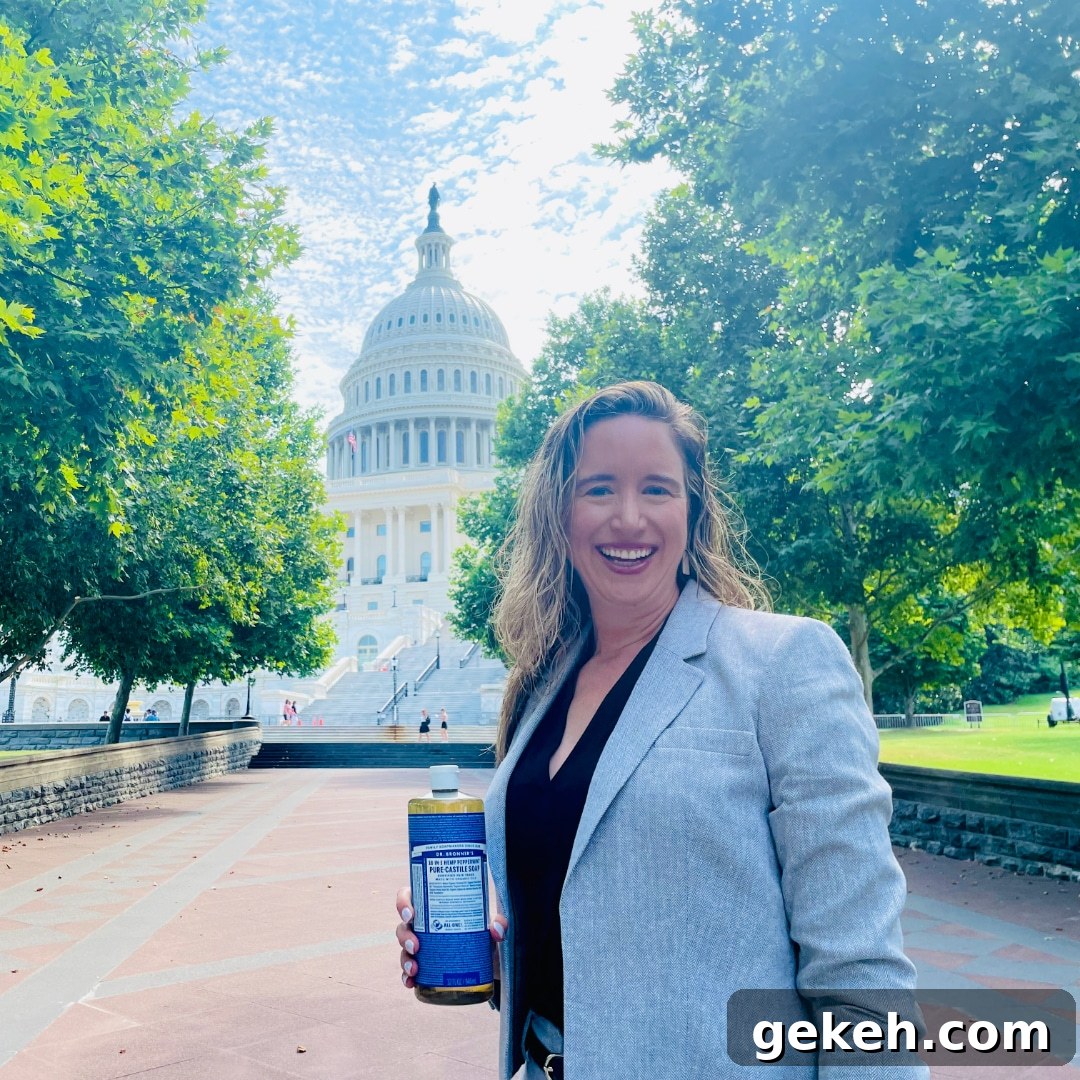
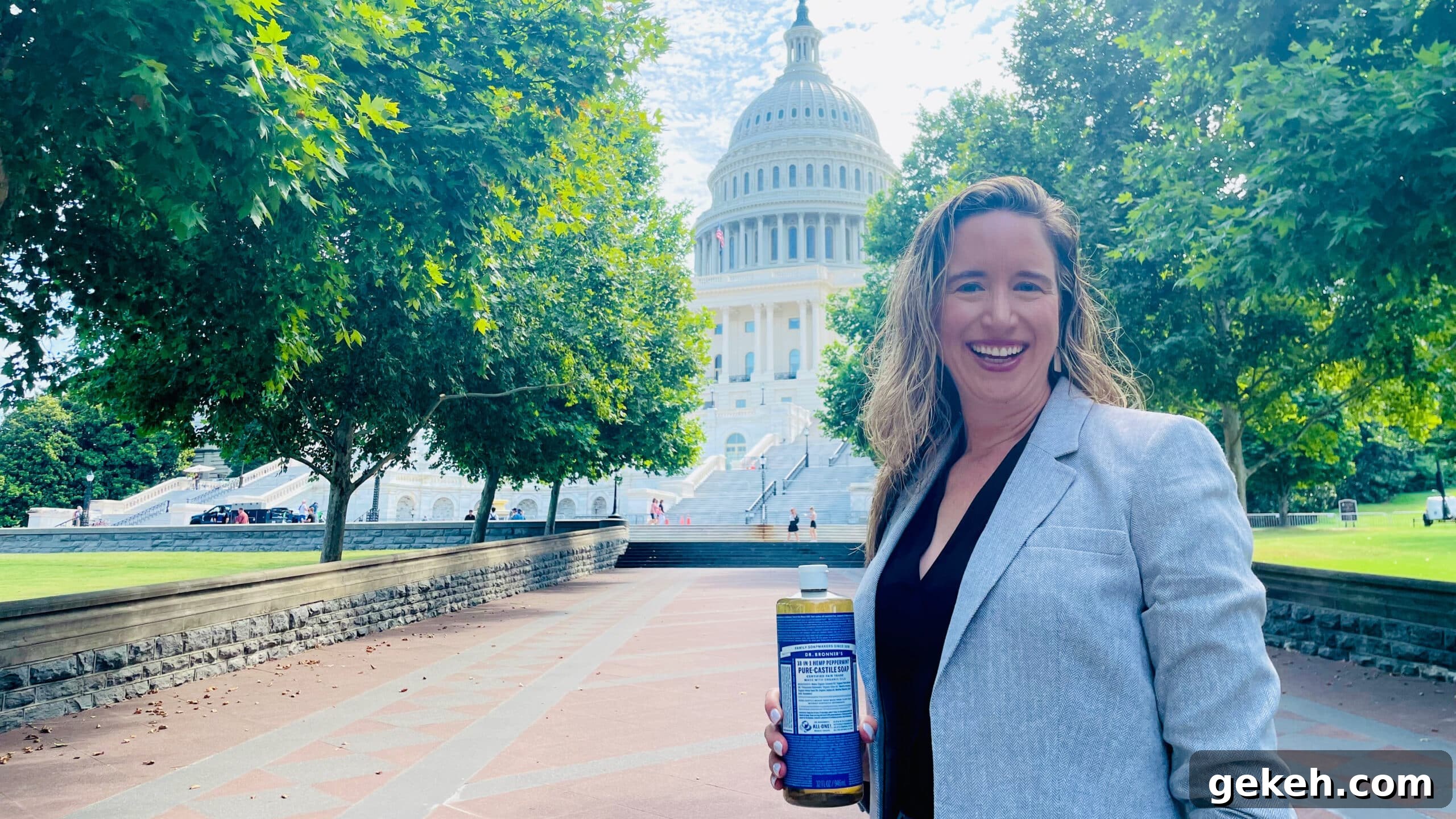
Recently I received an unexpected crash course in the legislative process — one I didn’t know I needed.
My daily routine is fairly quiet. From my semi-rural home in San Diego County I research a variety of topics, experiment with do-it-yourself formulations, write about those experiments, and answer questions about products, company history, and life in general. I follow current events and vote, but I wouldn’t describe myself as a political activist.
Earlier this year, Breast Cancer Prevention Partners invited me to join a small group of ethical business leaders in Washington, D.C. for two days of advocacy. Our goal was to meet with legislators and staff to explain why stronger regulations around cosmetics are necessary to improve consumer safety. There were many reasons I could have declined — long travel, family obligations, a new puppy — but the purpose of the trip convinced me to go. If I believe products should be safe, if my experience is useful, and if this was an opportunity to be a responsible steward of influence, then I had a reason to participate.
I flew to D.C. and spent two hot July days meeting with three senators (including one senator in person), three members of Congress (including one representative herself), and advisers from eight Executive Branch offices. We advocated for legislation known as the Safer Beauty Package, a set of bills in the House that addresses major gaps in cosmetic safety protections many consumers assume already exist.
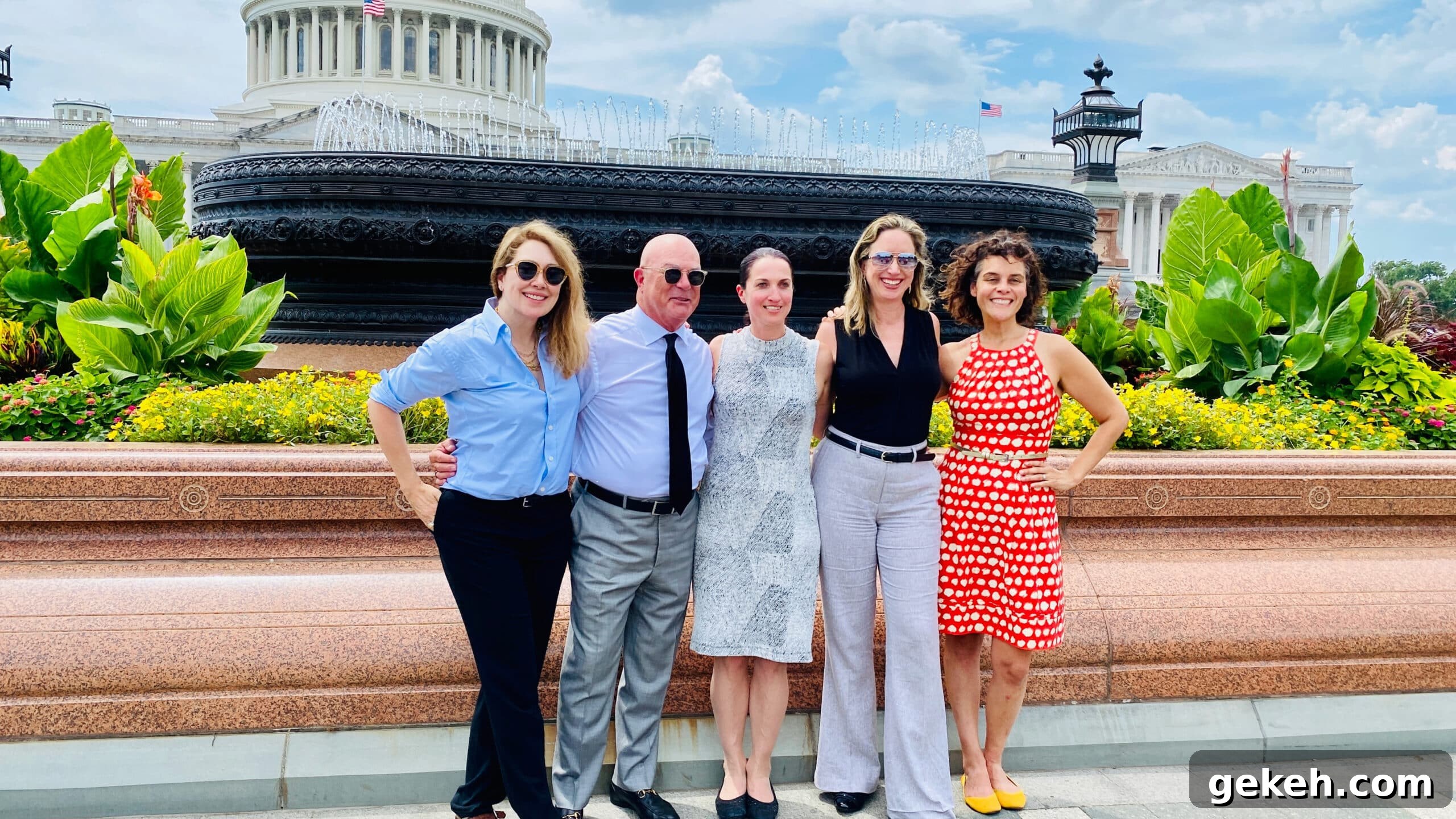
My 5 takeaways from my days in D.C. as an individual citizen
I’ll cover the bills themselves in a future post. For now, here are broader observations from my first time inside the heart of the capital. Though I went with purpose, I was also an observer, quietly taking in how policy conversations unfold. Leaving D.C., my head buzzed with impressions; over time five clear takeaways emerged.
1. There is still a forum for civil discourse in politics
Before the meetings I wasn’t sure what to expect. Would the conversations be confrontational? Stilted? Instead, I found thoughtful, curious engagement. Each office we met with asked questions, listened, and engaged in polite, intelligent dialogue.
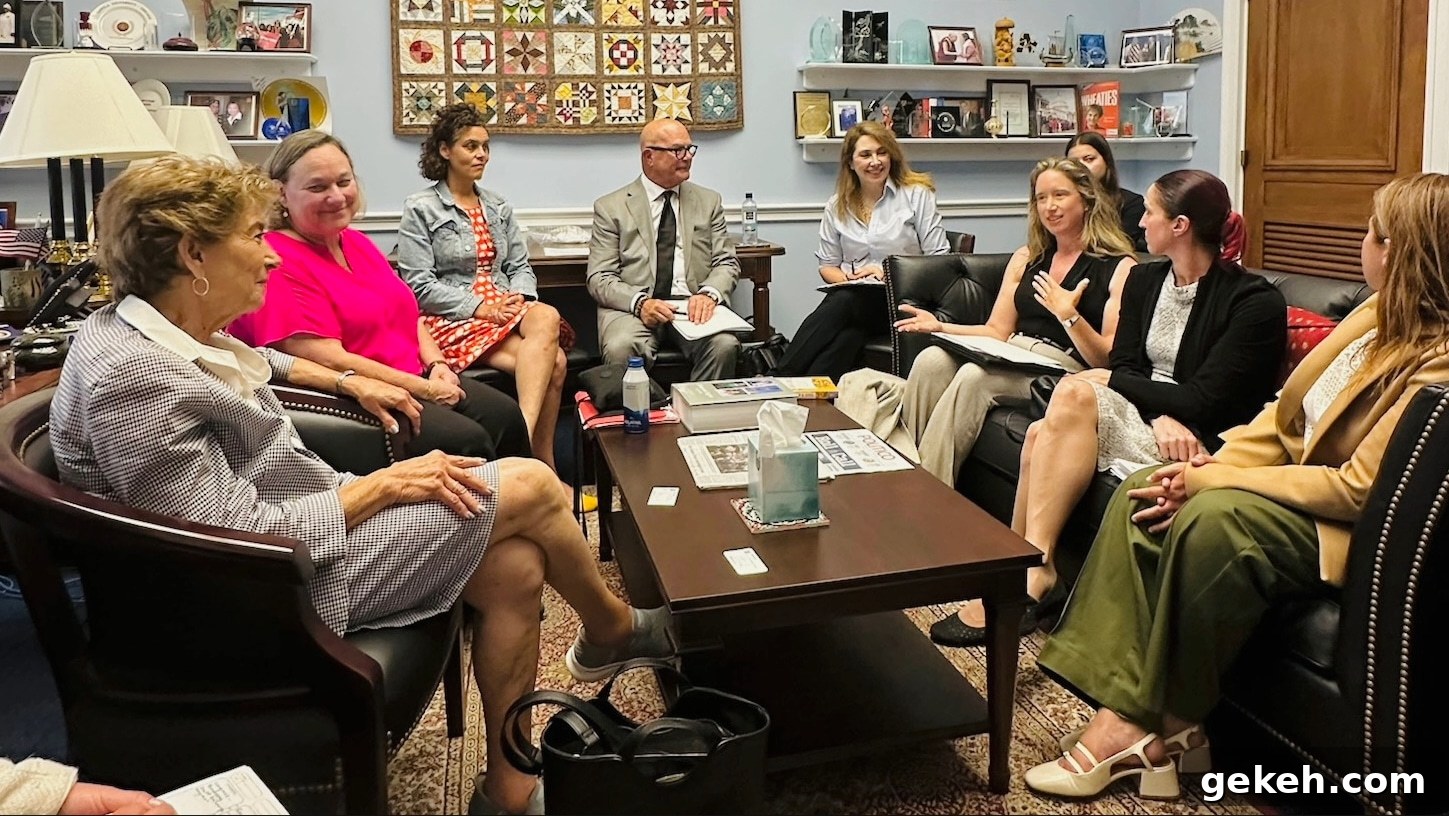
These offices had also met with lobbyists who opposed aspects of our proposals, for example those pushing to limit ingredient disclosure. We heard what those opposing viewpoints sounded like and were able to respond with evidence and reasoning. The tone was educational rather than accusatory — a chance to meet lawmakers where they were, listen, and help them understand the issue.
2. Subject-matter experts have a crucial role to play
Members of Congress juggle an enormous range of topics. On the day of our meetings, the House and Senate considered items from appliance efficiency to cybersecurity and Holocaust education. To make informed decisions, legislators rely on advisers who in turn seek expertise from people with direct experience in a field.
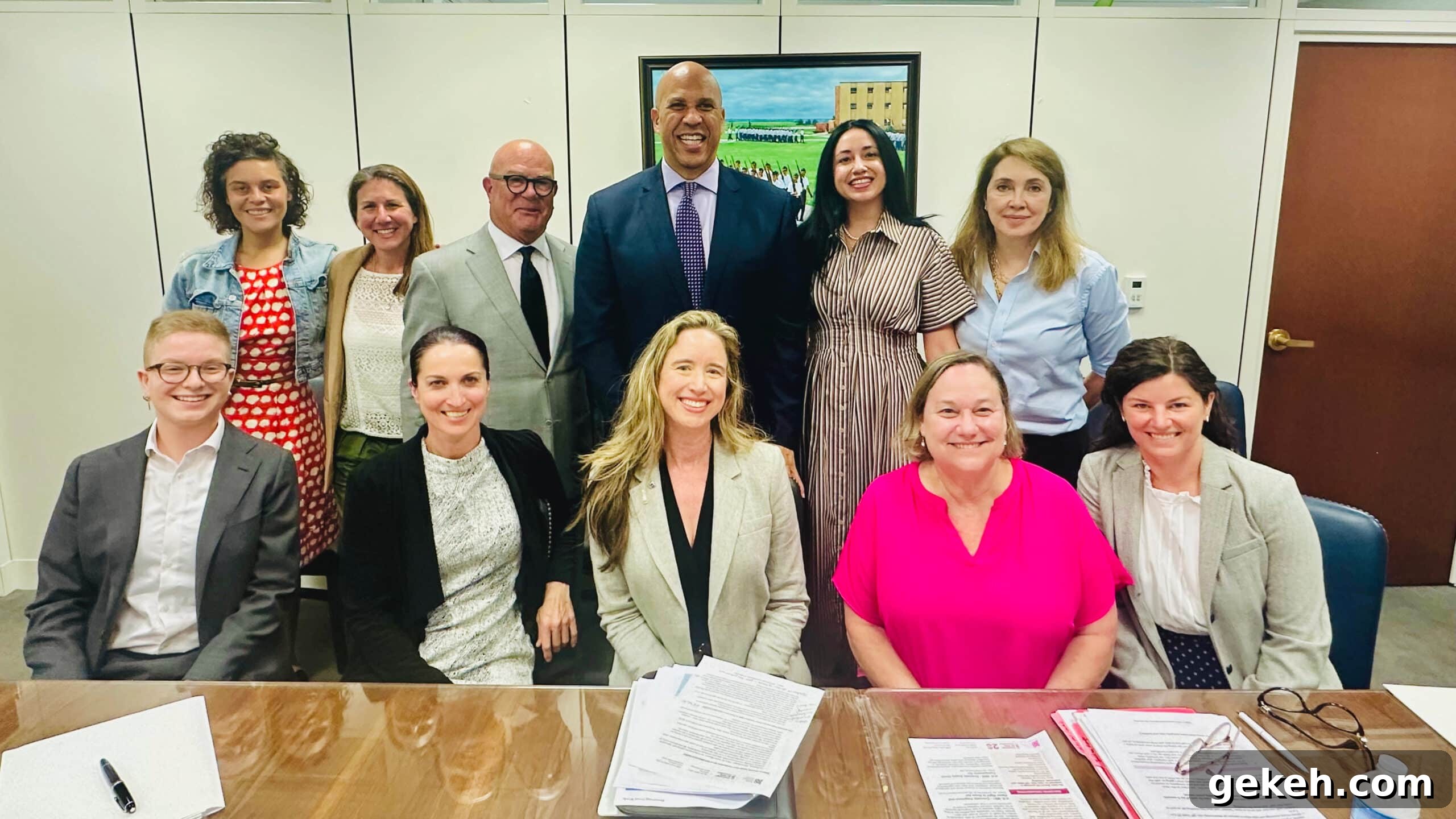
Cosmetic ingredient safety is central to my work, but it’s not a daily focus for legislative staff. Our role was to put this topic on their radar, explain why it matters, and counter arguments from opponents. My family’s decades-long commitment to transparency and integrity in cosmetics gave credibility: we can show that disclosure and safety practices complement business success rather than hinder it.
Beyond company history, I’ve spent more than 15 years answering consumer questions and helping people read labels. That frontline experience helped me explain common consumer concerns and labeling pitfalls. Legislators and their advisers need that kind of practical, evidence-based input.
3. Individual citizens matter to legislators
We live in a representative democracy. Legislators repeatedly asked whether anyone in our group was a constituent — and for good reason. Elected officials weigh constituents’ views heavily.
After I returned home I received an invitation to a local town hall. Before this trip I might have ignored it. Now I see such invitations as real opportunities to be heard. Contacting representatives by email, phone, or mail is simple and worthwhile. If you want guidance, advocacy groups often provide templates to help you craft messages around specific bills or issues.
Practice communicating with your legislators
Reaching out is not a nuisance to staff — it’s their job to record constituent positions and pass them on. Even brief, civil communications can influence how an office ranks issues and decides whether to support legislation. If you care about an issue, share your perspective; otherwise you lose the standing to complain about inaction.
4. The Executive Branch is much bigger than the person in charge
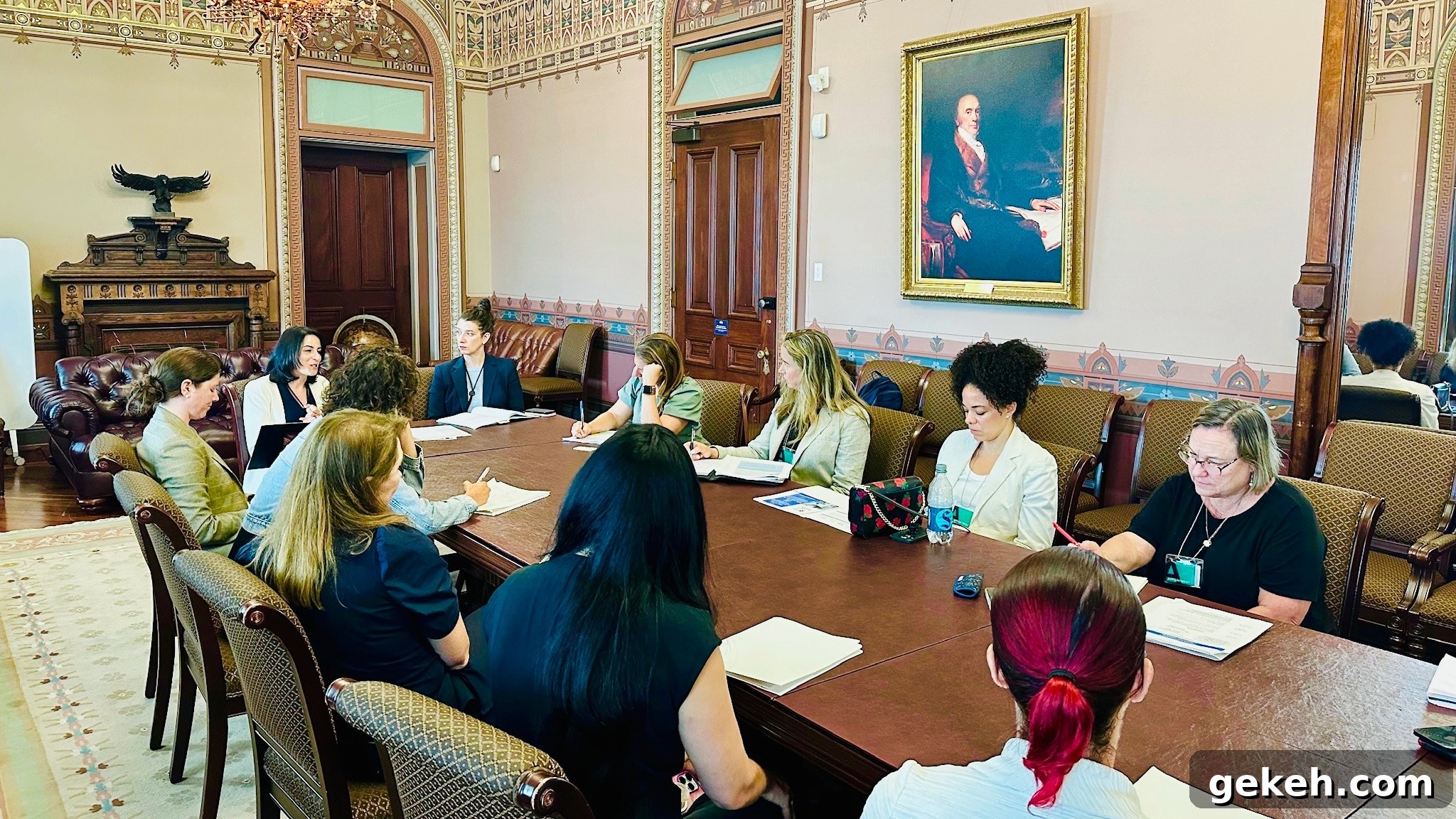
I expected the Congressional meetings to be the primary focus, but the Executive Branch meetings proved equally — if not more — impactful. The Executive Branch is charged with implementing policy and can act more nimbly; it also encompasses a huge workforce responsible for carrying out federal priorities.
We met with offices including the White House Office of Science and Technology, the Council on Environmental Quality, the Gender Policy Council, the Domestic Policy Council, and offices connected to the Vice President and First Lady. Conversations were action-oriented: how to keep known carcinogens out of daily personal care products, how removing PFAS from cosmetics reduces contamination of waterways, and how hazardous ingredients disproportionately affect women and communities of color. Those meetings generated concrete next steps that could produce near-term benefits for vulnerable populations.
5. The U.S. Capitol is incredibly impressive
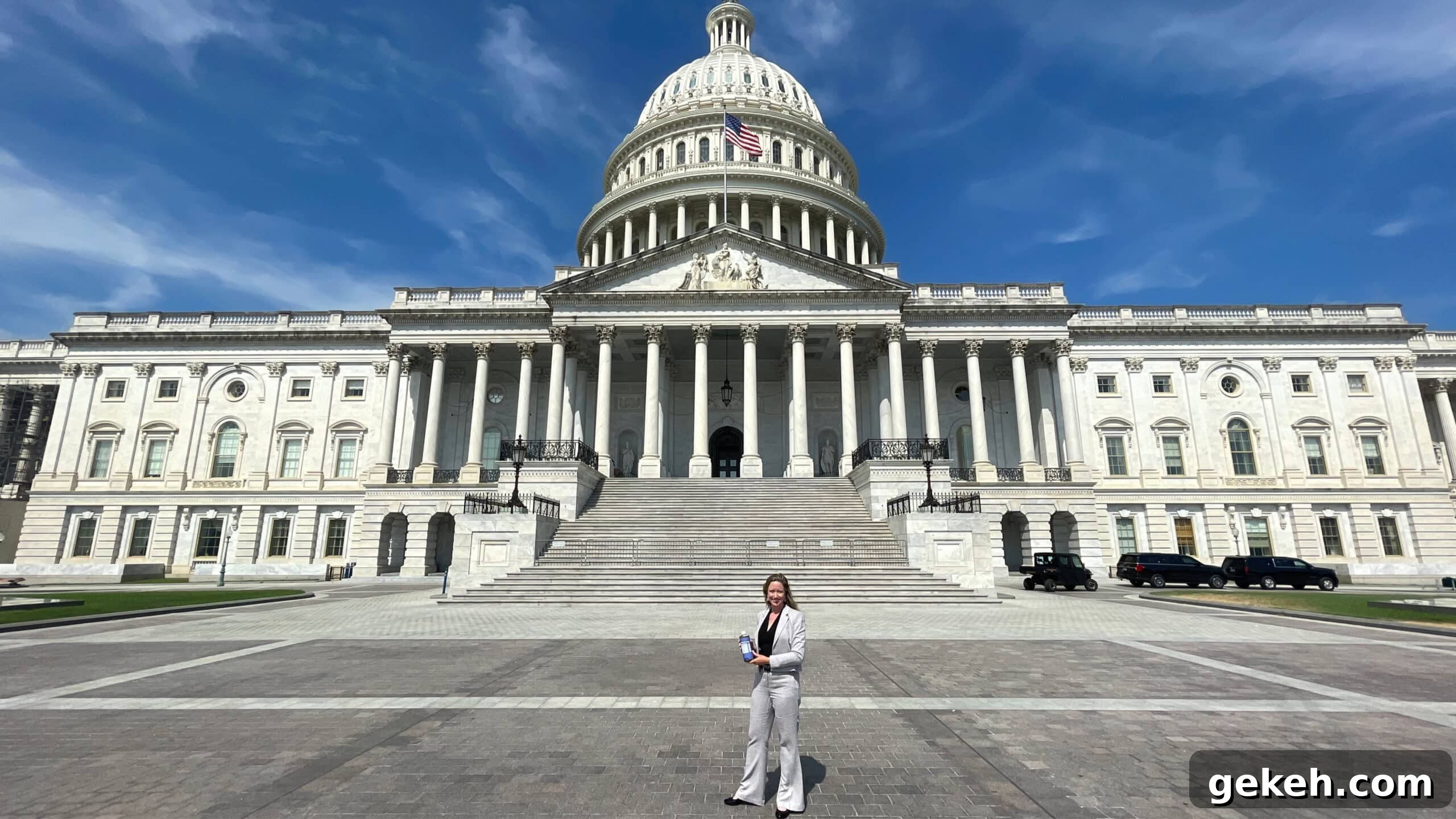
I expected the Capitol to be stately, but seeing it in person revealed an even greater level of grandeur and detail than I imagined. The dome alone — 288 feet tall — is intricate and commanding. While I didn’t enter the Capitol during this visit, the Senate and House office buildings and the Eisenhower Executive Office Building are ornate on the inside, reinforcing the gravity and history the architecture intends to convey.
Where my D.C. advocacy adventure left me
The trip left me hopeful, energized, and surprisingly joyful. I recognize my enthusiasm might feel naive to seasoned political observers, but if these observations are new to even a few readers, they’re worth sharing.
The meetings showed that civil discourse still occurs, that subject experts are valuable, and that individual constituents do matter. The Executive Branch can move quickly on implementation, and the architecture of our capital reflects a seriousness I hadn’t fully appreciated. I’m grateful to have witnessed even a small portion of how federal policy work happens.
I can’t promise a “happily ever after.” It’s too soon to know whether these particular bills will advance. Advocacy is a long game. But having the opportunity to sit with legislators and executive staff, present evidence, and suggest practical steps was meaningful both professionally and personally.
I extend my thanks to Breast Cancer Prevention Partners, especially Janet Nudelman, Senior Director of Program & Policy, for organizing the meetings and for their ongoing advocacy work.
Further Reading
- 12 Personal Care Ingredients to Avoid
- 10 Labeling Traps to Recognize in Body Care
- Protecting your Human Sponge