
Newborns have small, developing bodies and are especially vulnerable to the effects of toxic chemicals. Pound for pound they breathe more air, drink more water, and eat more food than adults, so many parents take steps to reduce toxins in their baby’s environment.
Newborns also sleep a lot. Traditional bassinets and crib mattresses often contain petroleum-based foams, formaldehyde in glues, and other synthetic materials that may be concerning for developing infants.
Below we explain the common types of newborn sleeping options and offer recommendations for organic and low-toxicity bassinets, Moses baskets, and co-sleepers to help you choose a safer sleep space for your baby.
RELATED: the best non-toxic cribs and organic crib mattresses
Table of Contents
- What Is a Moses Basket?
- What Is a Bassinet? (And What’s the Difference Between an Organic Baby Bassinet and a Crib?)
- What is a Co-Sleeper?
- Why Use An Organic/Non-Toxic Bassinet?
- What Are VOCs and What Is Off-Gassing?
- A Bit of Good News
- 13 of the Best Organic & Non-Toxic Bassinets/Co-Sleepers For Your Baby
- Babyletto Gelato Portable Bassinet
- babybay Bedside Sleeper
- Finn + Emma Carry Cot
- OEUF Fawn + Crib Bassinet System
- Swahili African Modern Moses Basket
- Plum & Sparrow Moses Basket
- Monte Design Rockwell Bassinet
- Baby Delight Organic Snuggle Nest
- Baby Eco Trends
- Naturepedic Organic Mattresses
- Other Common Questions about Popular Bassinet Brands
- Is SNOO Mattress Organic?
- Is the Halo Bassinet Non-Toxic?
- Is BabyBjorn’s Bassinet Safe?
- Do Babies Need A Bassinet, Co-Sleeper, or Moses Basket? (What To Consider When Shopping)
- Portability
- Home & Bedroom Size
- Breathability
- Stability
- What Are The AAP’s Safe Sleep Guidelines?
- Important Note: Always Use Correctly-Sized Accessories
This post contains affiliate links; we may earn a small commission if you purchase through them. Recommendations are based on material and ingredient standards.
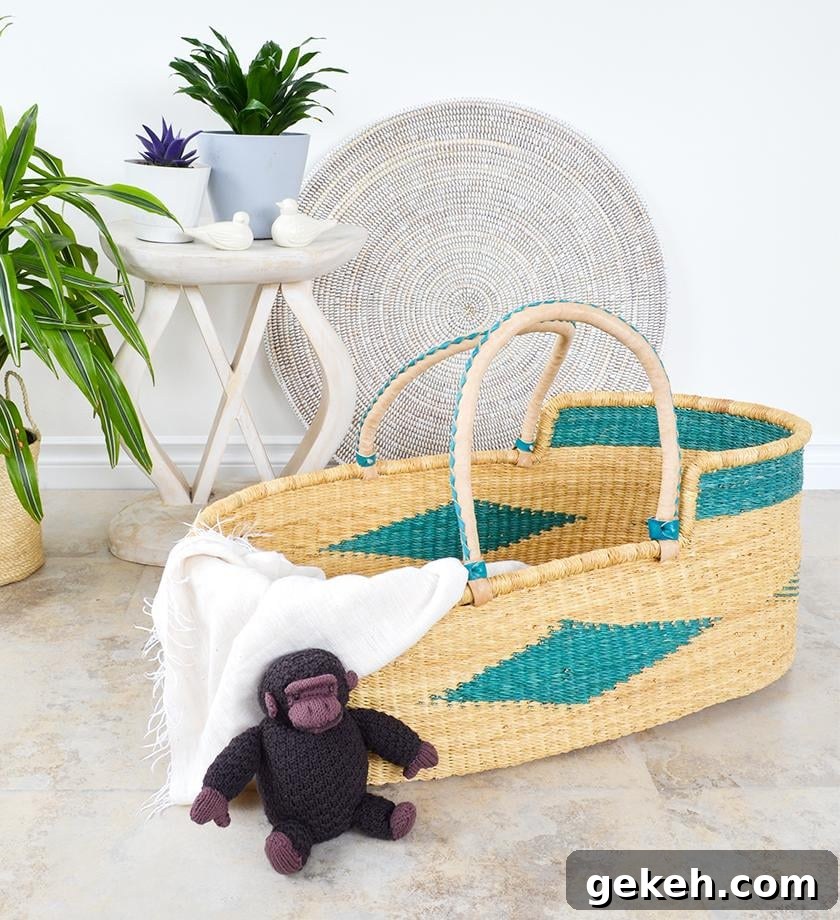
First, it helps to know the common types of newborn sleepers.
What Is a Moses Basket?
A Moses basket is a woven, long, narrow basket with handles that makes it easy to move your baby from room to room. Many parents appreciate the lightweight portability that keeps a newborn nearby throughout the day.
Moses baskets are typically used until around four to six months, depending on baby size and mobility. You’ll know the basket is outgrown once the baby can roll, lift their head, or pull up. Most baskets have weight limits—often around 15 to 20 pounds—so check the manufacturer’s guidelines.
If you buy a Moses basket, follow the included instructions, use the correctly sized mattress, and adhere to safe-sleep recommendations to minimize risk.
What Is a Bassinet? (And What’s the Difference Between an Organic Baby Bassinet and a Crib?)
Bassinets and cribs are both safe sleeping places for infants. Bassinets and Moses baskets are smaller and usually more portable, which can be helpful in small living spaces. Cribs are larger and last longer as your child grows.
The Consumer Product Safety Commission defines a bassinet or cradle as a small bed designed for infants that is supported by freestanding legs, a frame, a wheeled base, or a rocking base, or that swings relative to a stationary base.
The primary difference between a bassinet and a crib is size. Cribs are larger and designed for longer-term use.
What is a Co-Sleeper?
Co-sleeping, or bed-sharing, is when parents share a bed with their baby. Bed-sharing increases the risk of suffocation, SIDS, falls, and other hazards, especially for very young infants.
A co-sleeper is a dedicated baby bed intended to allow close proximity without sharing the same mattress. The American Academy of Pediatrics (AAP) does not currently recommend for or against bedside or in-bed sleepers due to limited evidence, and safety varies by type. Below are three main co-sleeper types:
Nest and In-Bed Co-Sleepers
These are small nest-like pads placed on a parent’s bed with walls or padding around the infant. They are not recommended because they can still shift, fall, or create suffocation risks.
Attached Co-Sleepers
Attached co-sleepers connect to the side of a parent’s bed. They allow easy access for feeding while keeping the baby on a separate surface. They are generally safer than in-bed nests, but the AAP currently refrains from a definitive endorsement.
Freestanding Co-Sleepers
Freestanding co-sleepers are essentially standalone bassinets. They sit independently beside the parent’s bed and do not involve bed-sharing. This arrangement aligns with AAP recommendations to room-share without bed-sharing for the first six months.
Why Use An Organic/Non-Toxic Bassinet?
Infants are more sensitive to chemicals such as flame retardants, plasticizers, and volatile organic compounds (VOCs). Some of these substances can act as endocrine disruptors, irritants, or potential carcinogens.
Many conventional mattresses contain polyurethane foam, polyester, and other petroleum-derived materials. Because the mattress is in direct contact with your baby’s skin and breathes in close proximity, choosing a non-toxic or organic mattress is especially important.
When shopping, consider both the frame (wood, metal, woven grass, etc.) and the mattress. Look for organic fibers like GOTS-certified cotton or linen, sustainable woods, and independent certifications such as GOTS, MADE SAFE, GREENGUARD, and CertiPUR.
You can mix and match frames and mattresses if the fit is exact; always confirm dimensions and follow manufacturer guidance to ensure safety.
What Are VOCs and What Is Off-Gassing?
Volatile organic compounds (VOCs) are chemicals used in many manufactured products, including foams, adhesives, and finishes. They can off-gas, releasing vapors into indoor air. Common VOCs found in furniture and mattresses include:
- 1,3-butadiene
- benzene
- formaldehyde
- methylene chloride
- tetrachloroethylene
- toluene
- xylene
Reducing VOC exposure by choosing low-emission products and certified materials can help improve indoor air quality for babies.
A Bit of Good News
Flame retardant use in children’s products has been restricted in several areas, including California. Because many manufacturers sell in those markets, chemical flame retardants have been reduced or eliminated in many modern bassinets, cribs, and mattresses compared with older products.
13 of the Best Organic & Non-Toxic Bassinets/Co-Sleepers For Your Baby
There are many good non-toxic bassinets, Moses baskets, and co-sleepers available. Below are options spanning handmade baskets, organic textiles, low-VOC frames, and certified mattresses so you can choose what fits your priorities and budget.
Babyletto Gelato Portable Bassinet
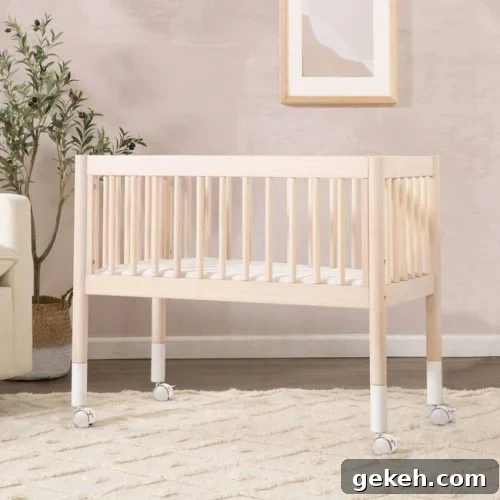
The Gelato is a freestanding bassinet made primarily from solid New Zealand pine and carries GREENGUARD Gold certification for low VOC emissions. The base uses MDF that the company reports is formaldehyde-free, likely from water-based adhesives.
It includes a mattress pad that is not organic, so many parents pair it with an organic mini mattress such as Naturepedic’s option if the dimensions match.
Price: $229
Use until: about 17.5 lbs or when baby can roll over
babybay Bedside Sleeper
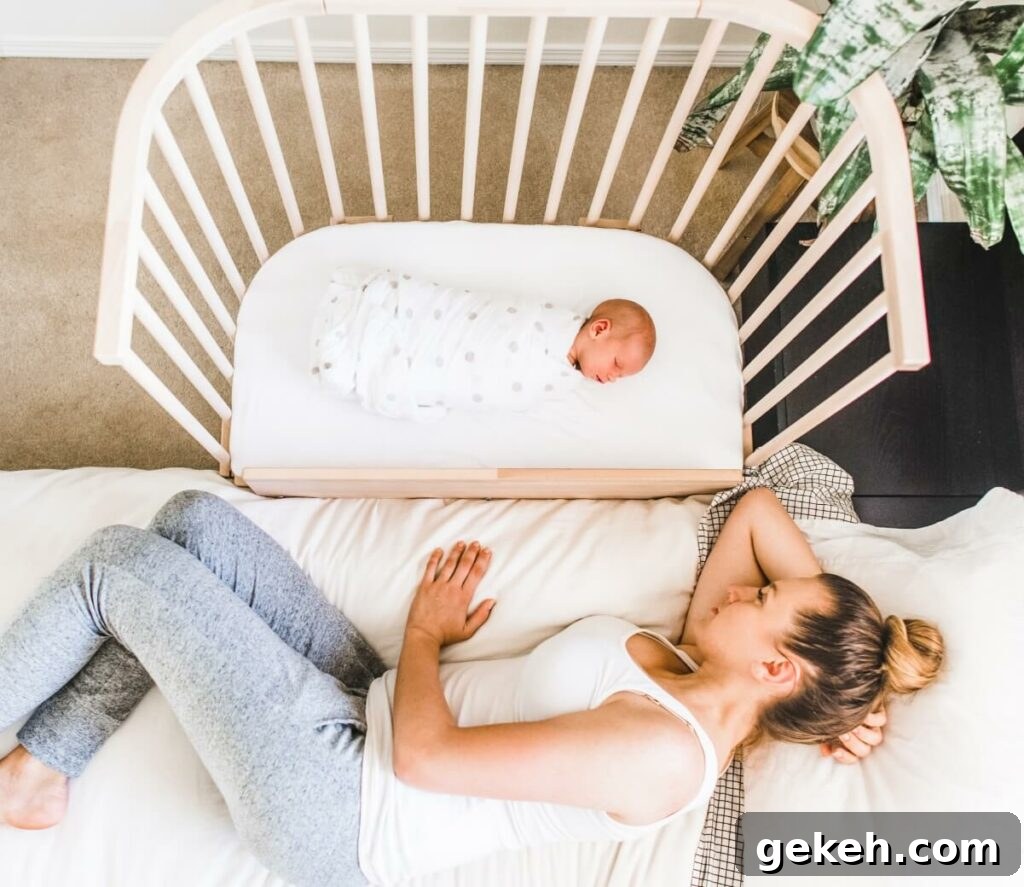
Made in Germany from solid beechwood with water-based glues and finishes, babybay offers a bedside sleeper with no MDF in its construction (an untreated wood option is available). One side is lower to allow the unit to sit next to a parent’s bed. Accessories include a side railing and wheels; larger sizes are available.
Babybay’s mattresses tend to use polyurethane foam; choose the option with the highest cotton content and add an organic fitted sheet if you prefer fewer synthetics.
Price: $245+
Use until: roughly 6 months or when baby pushes up
Finn + Emma Carry Cot
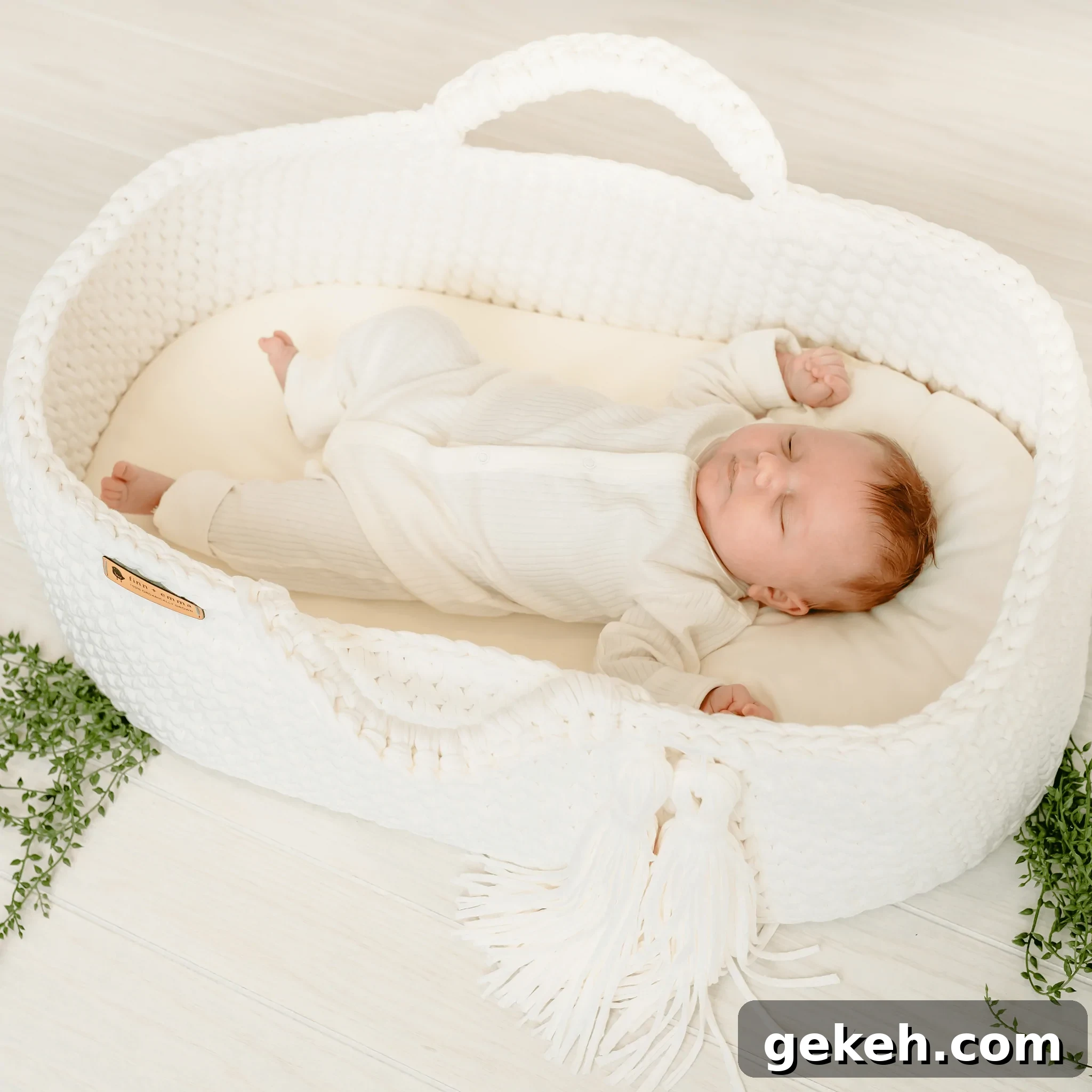
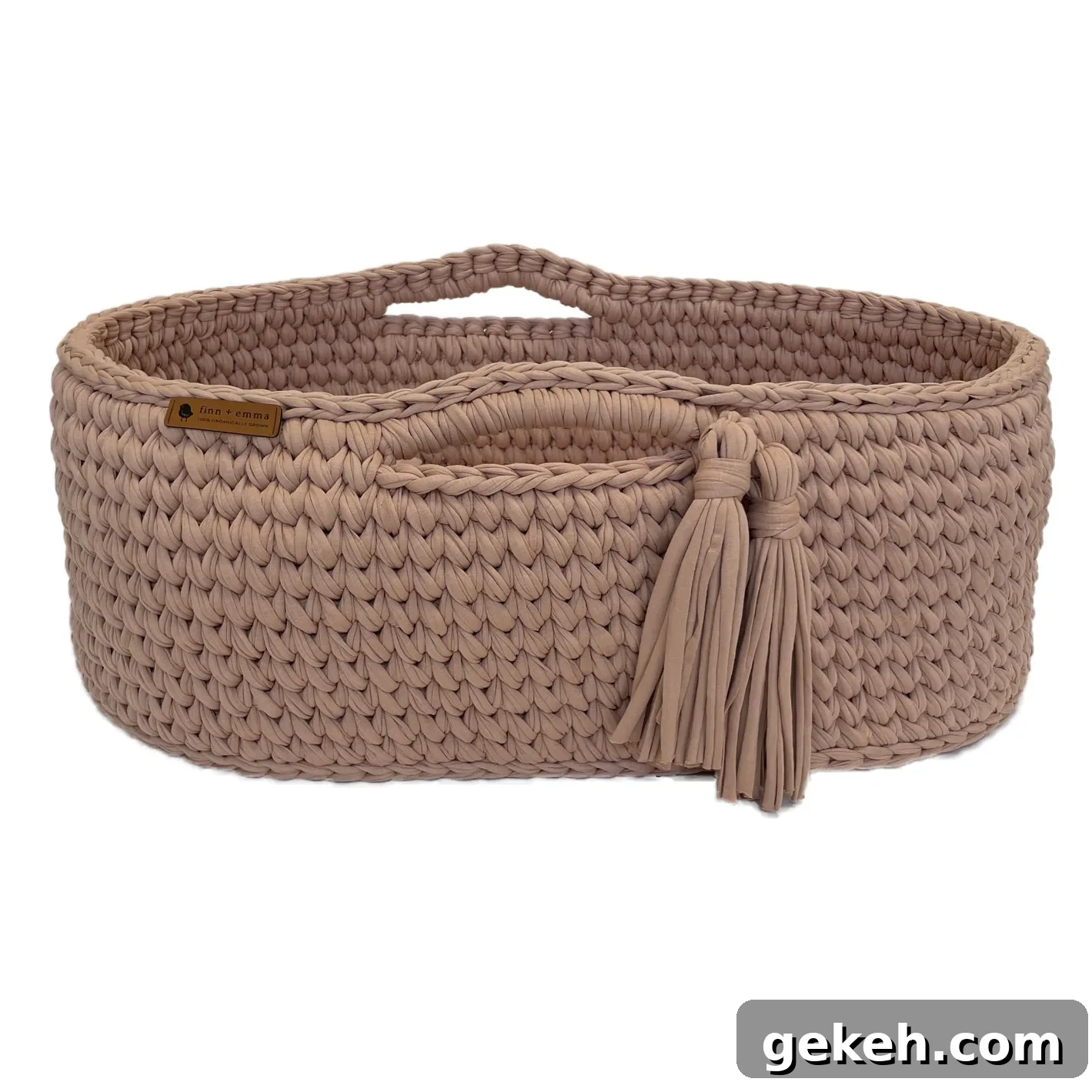
Finn + Emma’s Carry Cot is a modern take on a Moses basket, crocheted from soft organic cotton with a removable mattress and handles. Ethically made, it comes in gentle nursery colors and can be repurposed when outgrown.
Price: $179
Use until: about 6 months
OEUF Fawn + Crib Bassinet System
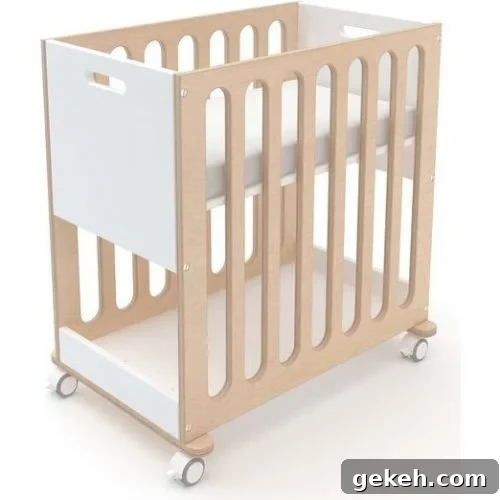
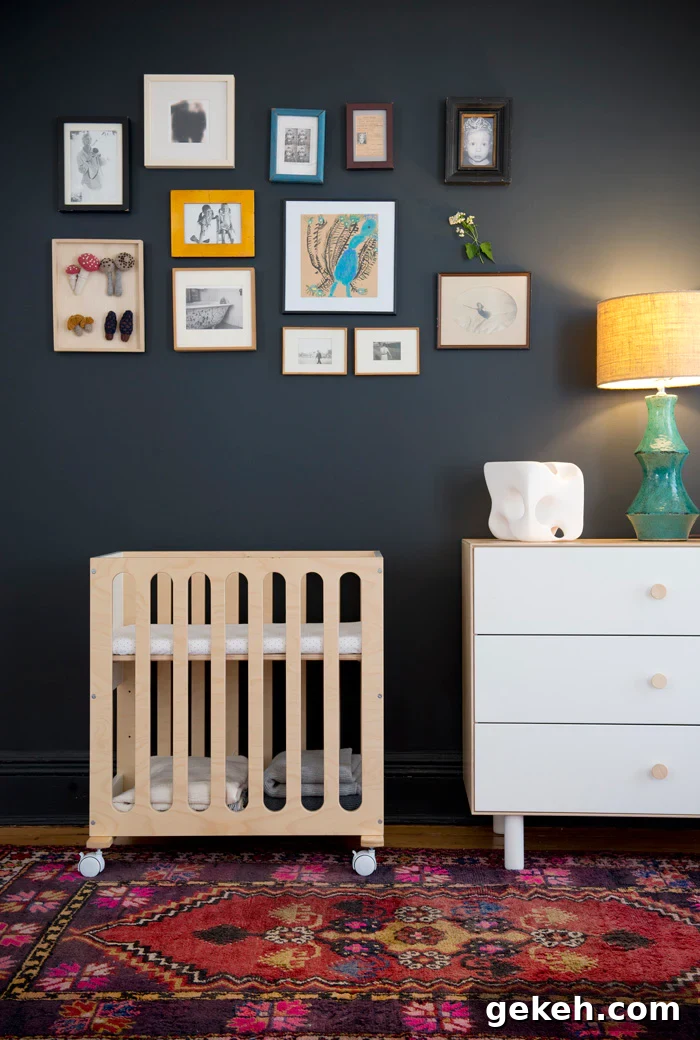
The Fawn system is a convertible bassinet-to-crib that starts as a bassinet on wheels and converts to a full-size crib, then optionally to a toddler bed. Constructed from FSC-certified Baltic birch plywood with water-based finishes, it holds GREENGUARD Gold certification.
The included bassinet mattress uses plant-based foam; for a fully organic setup, many families replace the mattress with a certified organic option when converting to a crib.
Price: $1,085 (financing often available)
Use until: toddler years with conversion kits
Swahili African Modern Moses Basket
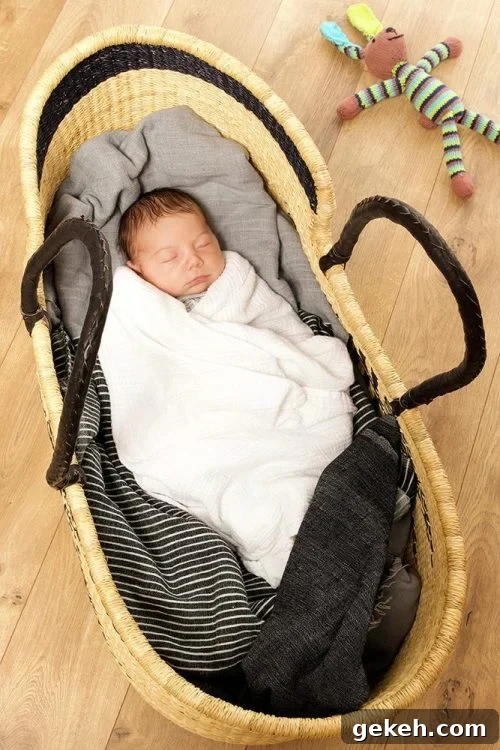
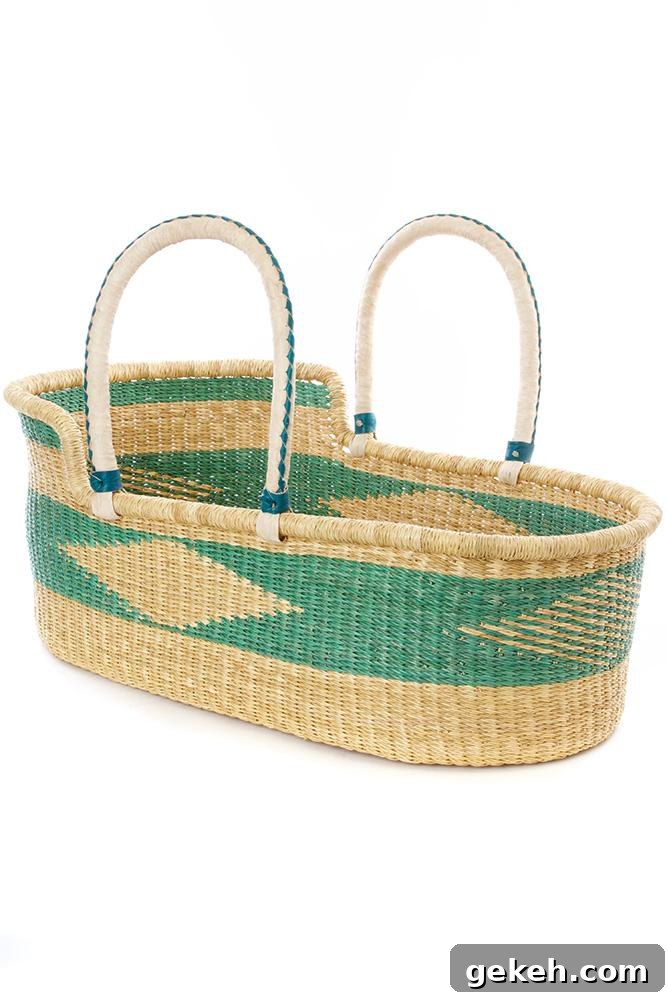
Handwoven in Ghana from natural elephant grass, these Fair Trade Moses baskets are crafted by skilled artisans and showcase contemporary African design. They make attractive, natural bassinets for early months.
Price: $168
Use until: about 6 months
Plum & Sparrow Moses Basket
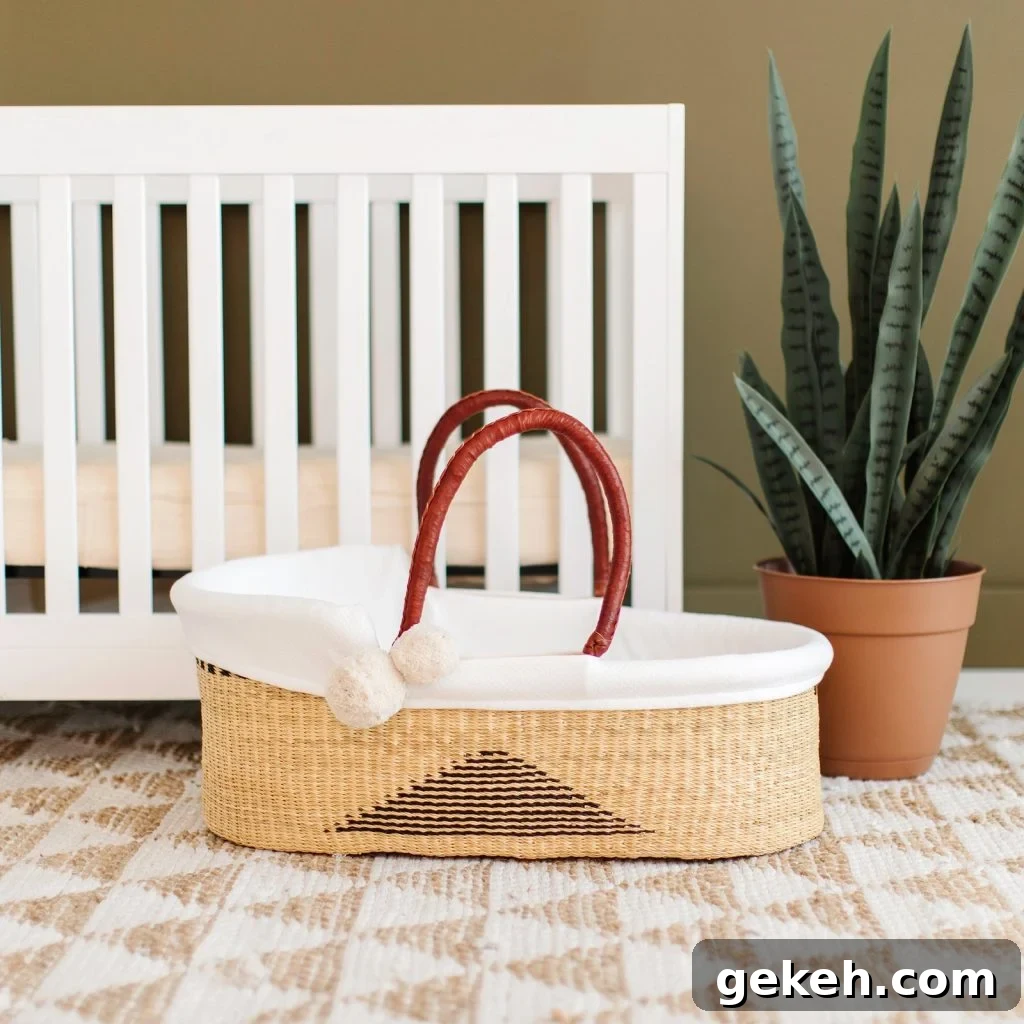
Plum & Sparrow offers handwoven baskets made by artisan partners in Africa, along with compatible mattresses, liners, and stands. They provide a variety of shapes and designs to suit different nursery styles.
Price: $195
Use until: when baby begins to sit or roll
Monte Design Rockwell Bassinet
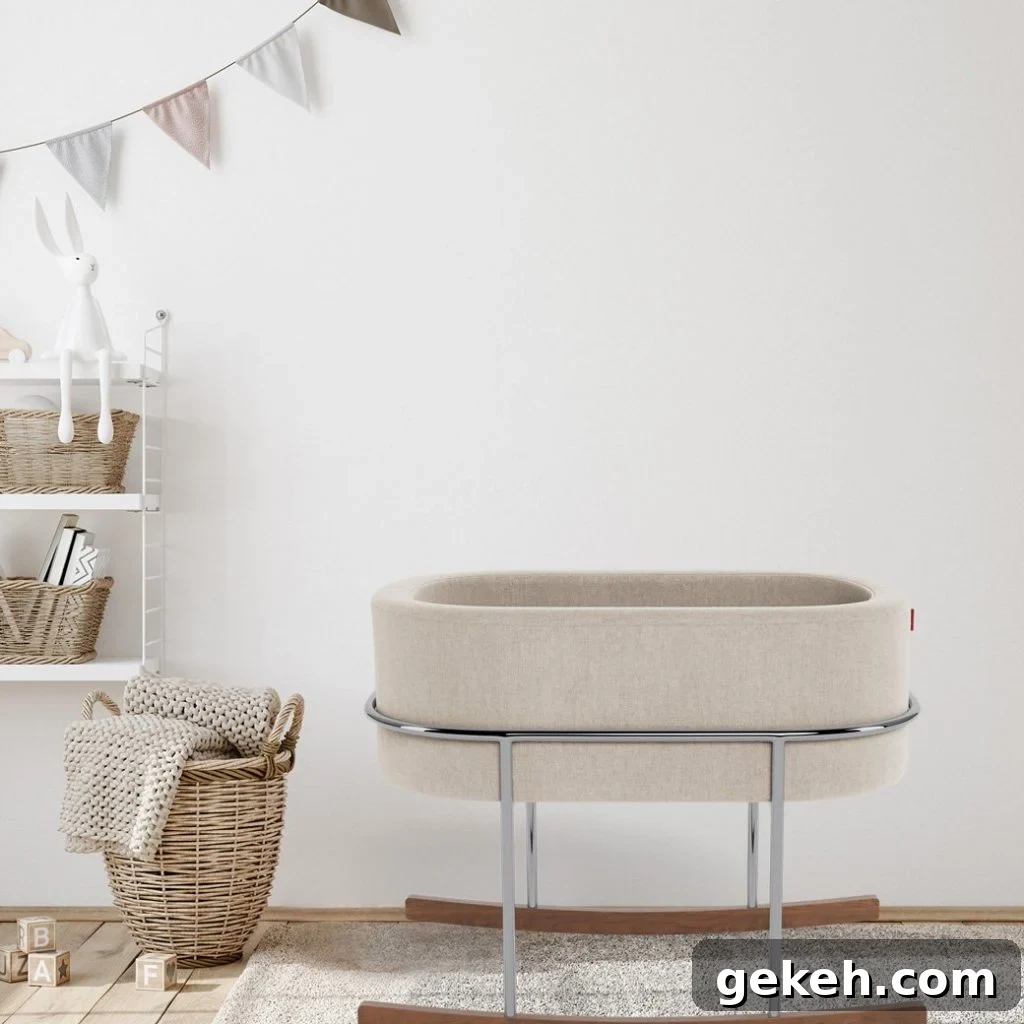
Monte Design makes a modern rocking bassinet handcrafted in Canada that uses CertiPUR-certified low-VOC foam and carries OEKO-TEX certification for restricted substances. The included mattress is synthetic; if you prefer organic options, look for a compatible replacement.
Price: $695
Use until: 18 lbs or when baby can roll
Baby Delight Organic Snuggle Nest
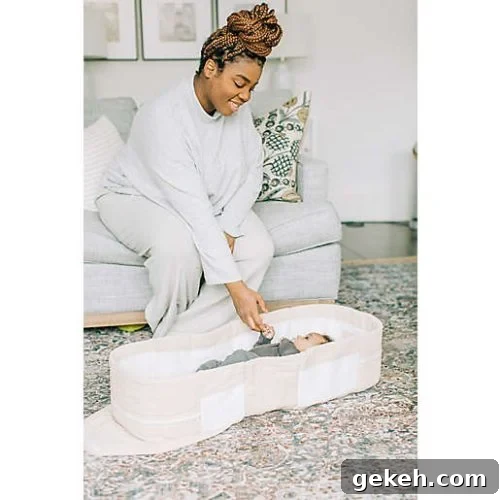
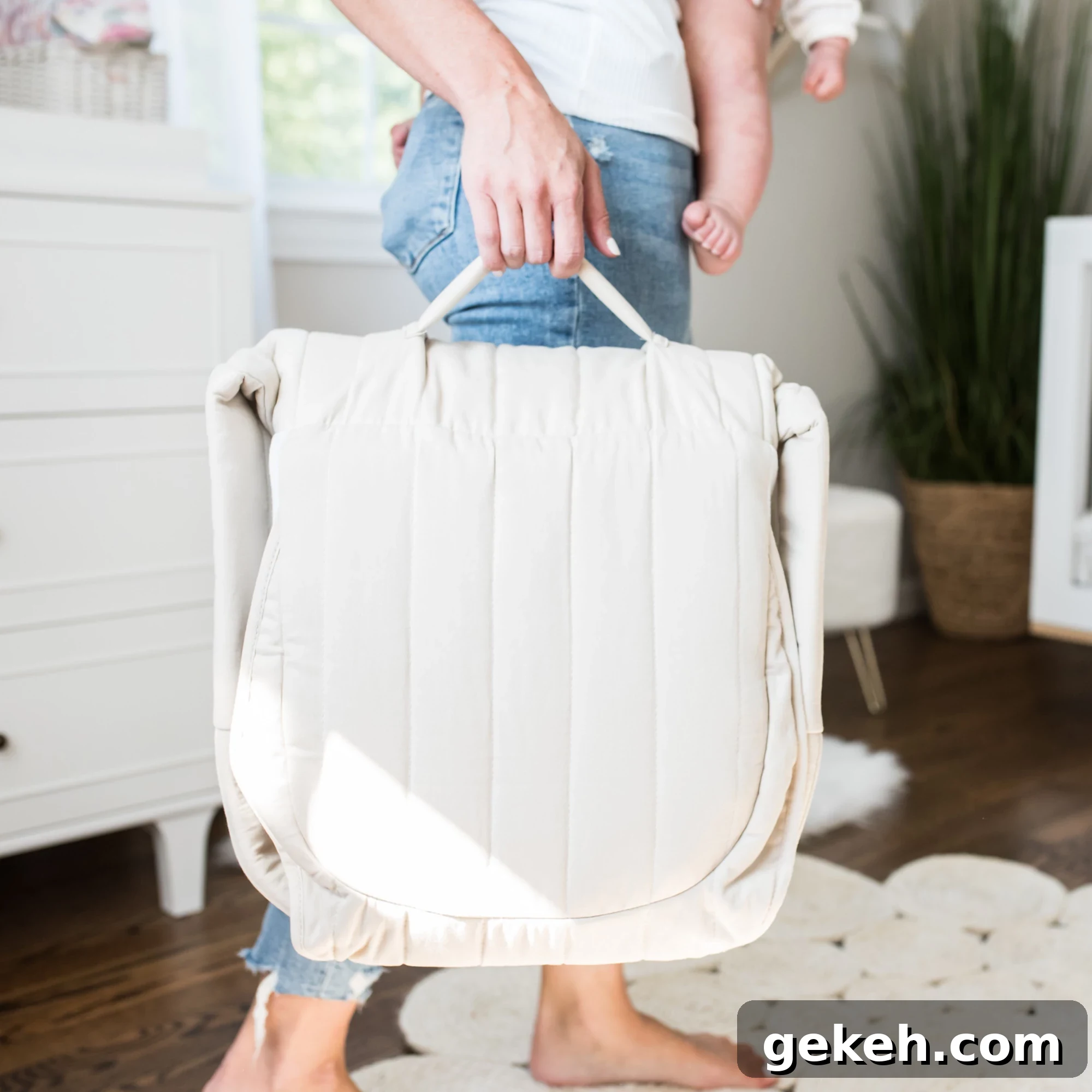
This foldable portable sleeper is easy to store or travel with. The cover fabric is GOTS organic cotton, though the mattress inside contains synthetic foam. It’s a budget-friendly, portable option for short-term use.
Price: $85
Use until: about 9 months (manufacturer guidance varies)
Baby Eco Trends
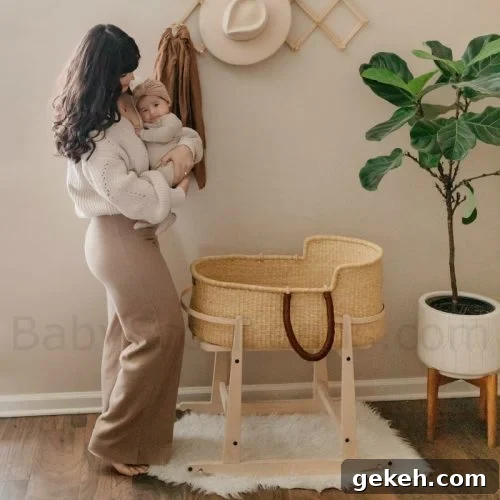
Baby Eco Trends offers wooden stands for Moses baskets and related accessories. Their stands are handmade in the USA from solid hardwood and use Asthma & Allergy-Friendly paint. Many feature rocking ability and optional locks or brakes—be sure to match the stand size to your basket.
Price: $190–$210
Use until: varies by basket and stand
Naturepedic Organic Mattresses
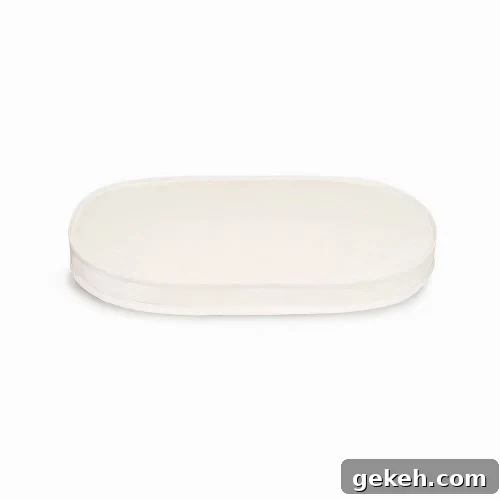
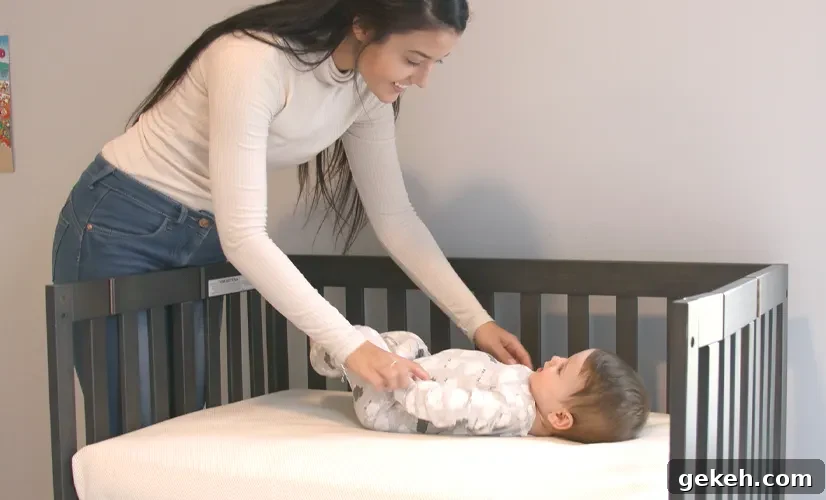
Naturepedic is a well-known maker of certified organic mattresses for babies, offering mini and oval crib mattresses, changing pads, and nap pads. If you have a bassinet or Moses basket that matches their dimensions, these organic mattresses can be a safer replacement. Naturepedic holds certifications such as MADE SAFE, GOTS, and GREENGUARD on certain products.
Note: verify exact dimensions before purchasing to ensure a snug, safe fit.
Other Common Questions about Popular Bassinet Brands
Is SNOO Mattress Organic?
SNOO is a smart bassinet known for white-noise and rocking functions. The company is not fully transparent about all materials used, so SNOO is not considered an organic mattress option. Some textiles like fitted sheets and sleep sacks from SNOO are GOTS organic, but the mattress itself lacks full disclosure.
Is the Halo Bassinet Non-Toxic?
Halo’s BassiNest uses polyester fabrics and a base of steel, aluminum, and high-impact plastic. The company states its plastics and paints are free of lead, phthalates, and BPA. However, chemical flame retardants have been used in some Halo mattresses, which is a concern for parents seeking low-toxicity options.
Is BabyBjorn’s Bassinet Safe?
BabyBjorn’s cradle meets safety standards and uses airy mesh sides for supervision and airflow. Materials include polyester, MDF, beechwood, and various foams. The product is OEKO-TEX certified, which helps limit certain substances, but it is not a fully organic option.
Do Babies Need A Bassinet, Co-Sleeper, or Moses Basket? (What To Consider When Shopping)
When choosing a sleep option, consider these factors:
Portability
Moses baskets are highly portable and easy to move from room to room. Bassinets vary in portability but are generally easier to relocate than cribs. Never carry a Moses basket with a baby inside by the handles.
Home & Bedroom Size
Assess available space. Bassinets and baskets take up far less room than a crib, which can be important if you plan to room-share during the early months.
Breathability
Mesh sides improve airflow and reduce overheating and suffocation risk if a baby’s face is near the side. Most breathable panels use synthetic materials like nylon; in this case, a synthetic mesh may be preferable to ensure airflow and safety.
Stability
Choose products with a wide, stable base and a smooth bottom that cannot be easily tipped over.
What Are The AAP’s Safe Sleep Guidelines?
The AAP recommends the following safe-sleep practices for all infant sleep surfaces:
- Room-share with the baby, but do not bed-share; keep the baby in the parents’ room until at least six months.
- Keep soft objects, loose bedding, and other items that could cause suffocation out of the sleep area.
- Always place babies on their backs for every sleep.
- Do not use sleep positioners, wedges, or other sleep aids.
- Use a firm, flat sleep surface.
- Avoid overheating the baby.
Important Note: Always Use Correctly-Sized Accessories
Use mattresses and fitted sheets that match the exact dimensions of the bassinet or basket. A mattress that is too large or too small, or extra bedding, increases the risk of suffocation. Follow the manufacturer’s instructions and the AAP guidelines, and consult your OB/GYN if you have questions before bringing your newborn home.
Your baby spends most of their early life asleep—choosing a low-toxicity, properly sized sleep space can help support healthier indoor air and safer rest. For more guides and tips, consider signing up for a regular parenting newsletter.