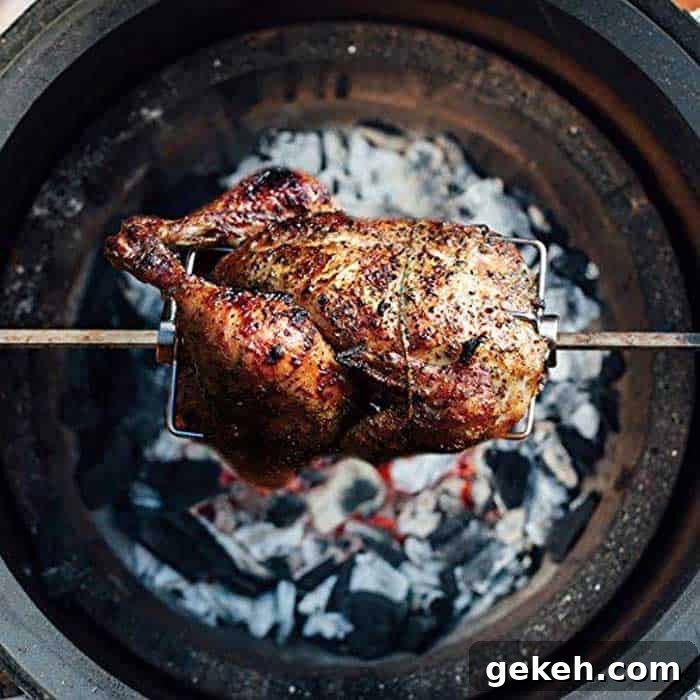
Looking for a new backyard DIY barbecue project? Learn how to build your own rotisserie BBQ smoker with this clear, step-by-step guide.
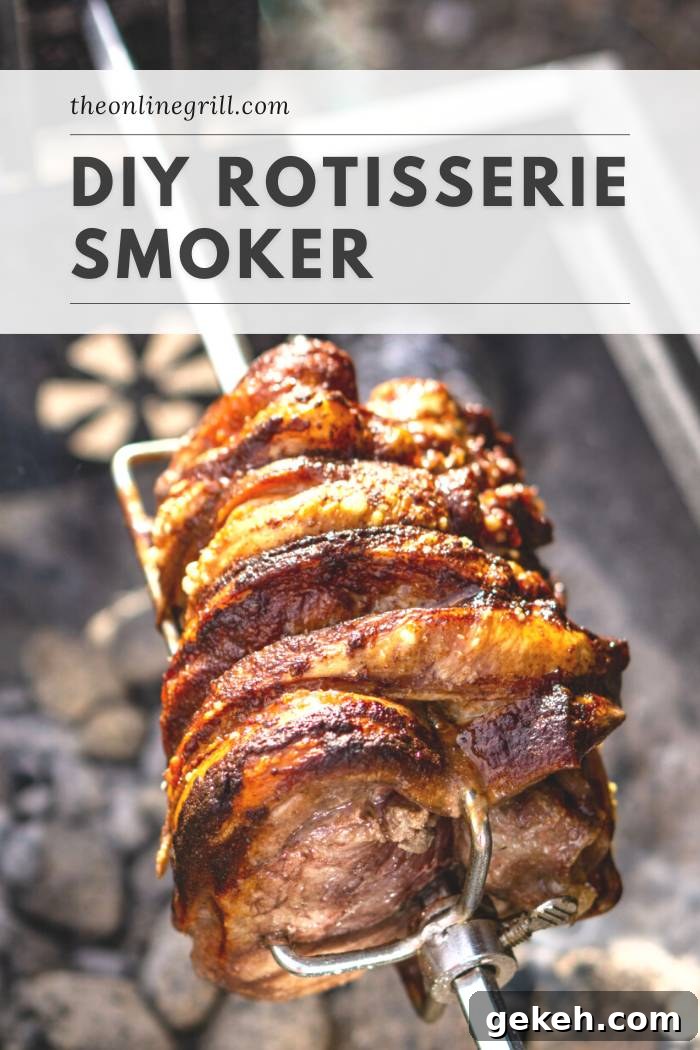
- What is a Rotisserie Smoker?
- Why Should I Build a Rotisserie Smoker?
- Materials You Will Need
- Tools Needed
- Step-by-Step Guide
If you host large gatherings or want a more efficient way to cook whole animals, a rotisserie smoker is an excellent backyard upgrade. This DIY project delivers slow, even cooking and deep smoky flavor that ordinary grills and ovens can’t match.
A homemade rotisserie smoker elevates backyard smoking—whether you’re preparing classic smoked chicken or a low-and-slow turkey, the rotating spit and steady smoke produce tender, juicy results. Building one requires planning, the right materials, and basic metal and masonry work. Below is a concise, practical guide to get you started.
What is a Rotisserie Smoker?
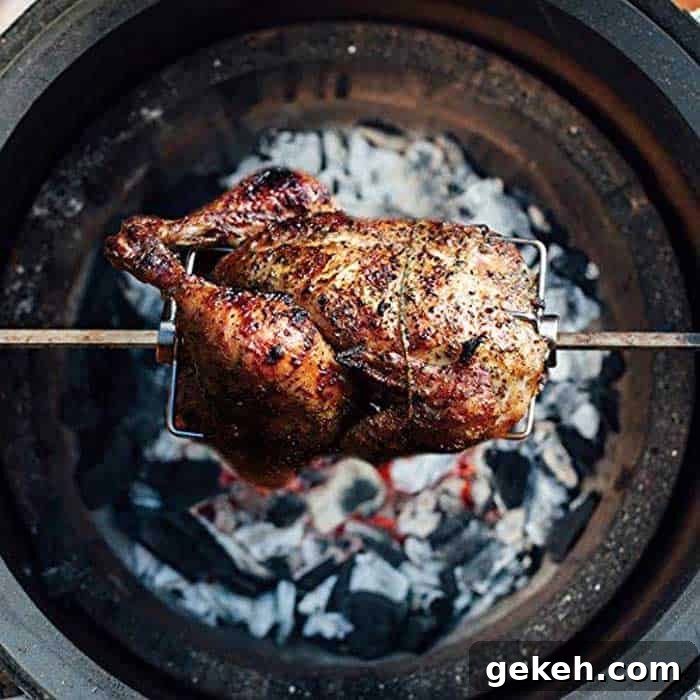
A rotisserie smoker is an outdoor cooking appliance that roasts meat on a rotating spit while exposing it to smoke. The spit turns slowly, ensuring even cooking and allowing smoke to penetrate the meat over several hours. This slow-cooking method produces tender, juicy results and a distinctive smoky flavor.
Because the cooking happens outdoors and over a controlled fire, you can save energy compared with extended indoor oven use, and the long, gentle heat helps break down connective tissues for superior texture.
Why Should I Build a Rotisserie Smoker?
Commercial rotisserie smokers can be expensive. A DIY build lets you customize size and features to match your needs while saving money. Building your own also gives you the flexibility to choose durable materials and add features—such as a hinged lid, removable spit, and adjustable height—to suit the types of meats you plan to cook.
Materials You Will Need
These materials form the core of a basic cinder-block rotisserie smoker:
- 25 cinder blocks (8″ x 8″ x 16″) for the main body
- 15 cap or standard blocks (8″ x 8″ x 16″) and optional 22 patio stones (12″ x 12″) for the base
- 4 or 8 wood or metal stakes and flagging string
- Half blocks (4.8″ x 8″ x 8″) if needed to finish corners
- Metal pipe for the spit (approx. 4 ft x 1.5″ diameter)
- 2–3 cubic feet of sand or gravel to line the pit
- Steel drum (food-safe) to form a hinged lid, or equivalent sheet metal
- Angle iron (approx. 20ft x 1.5″) and threaded rod for hinge and lid support
- High-heat spray paint suitable for metal
- Expanded metal mesh and rebar stakes to reinforce the pit walls
- Hockey stick or wooden dowel for a lid handle, bolts, and copper pipe as needed
Cinder block construction is common for durable, heat-resistant backyard cooking projects and provides a stable structure without mortar when leveled carefully.
Tools Needed
- Safety gear: gloves, goggles, and protective clothing
- Short and long levels
- Measuring tape and carpenter’s square
- Chisel and hammer
- Handheld grinder with metal-cutting discs
- Marker or pencil for layout
- Drill and appropriate bits for metal and masonry
- Welding equipment (or access to a welder) if you plan to attach gears or mountings
- Metal or wooden stakes for layout and bracing
Step-by-Step Guide
Follow these steps as a practical blueprint; adjust dimensions to match the size of the spit and meat you plan to cook.
1. Choose a safe location: place the smoker well away from structures, overhanging trees, and combustible materials. Ensure a level, stable surface.
2. Prepare the base: level the ground and lay patio stones or pavers to keep the cinder blocks stable and prevent settling. Use stakes and flagging tape to mark the perimeter of the smoker footprint.
3. Dig and line the pit: excavate a pit about 12 inches deep in the center where the fire and heat source will sit. Line the pit with expanded metal and secure it with rebar stakes to prevent sand or gravel from shifting.
4. Add base fill: pour 2–3 cubic feet of sand or gravel into the lined pit to support heat retention and drainage.
5. Stack the cinder blocks: build the outer walls by stacking cinder blocks without mortar. Keep each layer level and fit blocks tightly together. Use a chisel and hammer to trim any high spots so blocks sit flush.
6. Create skewer supports: leave openings or recesses in the block walls on opposite sides to accept the spit. Drill a half-inch hole near the top row on both sides to mount hinge brackets for the lid.
7. Build the spit: use a steel pipe with holes along its length for securing meat and attaching supports. Weld or affix a drive gear to one end and provide support bearings or ‘V’ cradle brackets at both ends so the pipe can rotate smoothly. Anchor the supports into the ground or the block walls for stability.
8. Make the lid: split a steel drum lengthwise or shape an appropriate metal cover. Attach angle iron to reinforce the lid and use threaded rod as hinge pins. Bolt a wooden hockey stick or similar handle to the lid, using a short copper tube or spacer where needed to isolate heat.
9. Install hinges and secure the lid: weld or fasten the threaded rod to the lid and feed it into hinge brackets mounted on the block walls. Ensure smooth operation and that the lid locks or rests securely when closed.
10. Final touches: paint exposed metal with high-heat paint, check all fastenings and clearances, and test rotation and balance of the spit before cooking. Adjust spit length and height depending on the size of the meat and the intensity of the fire.
With the structure complete, you can experiment with fuel types, wood chips for smoke flavor, and rotation speeds to dial in your ideal results. A properly built rotisserie smoker rewards patience with evenly cooked, flavorful meats perfect for gatherings.