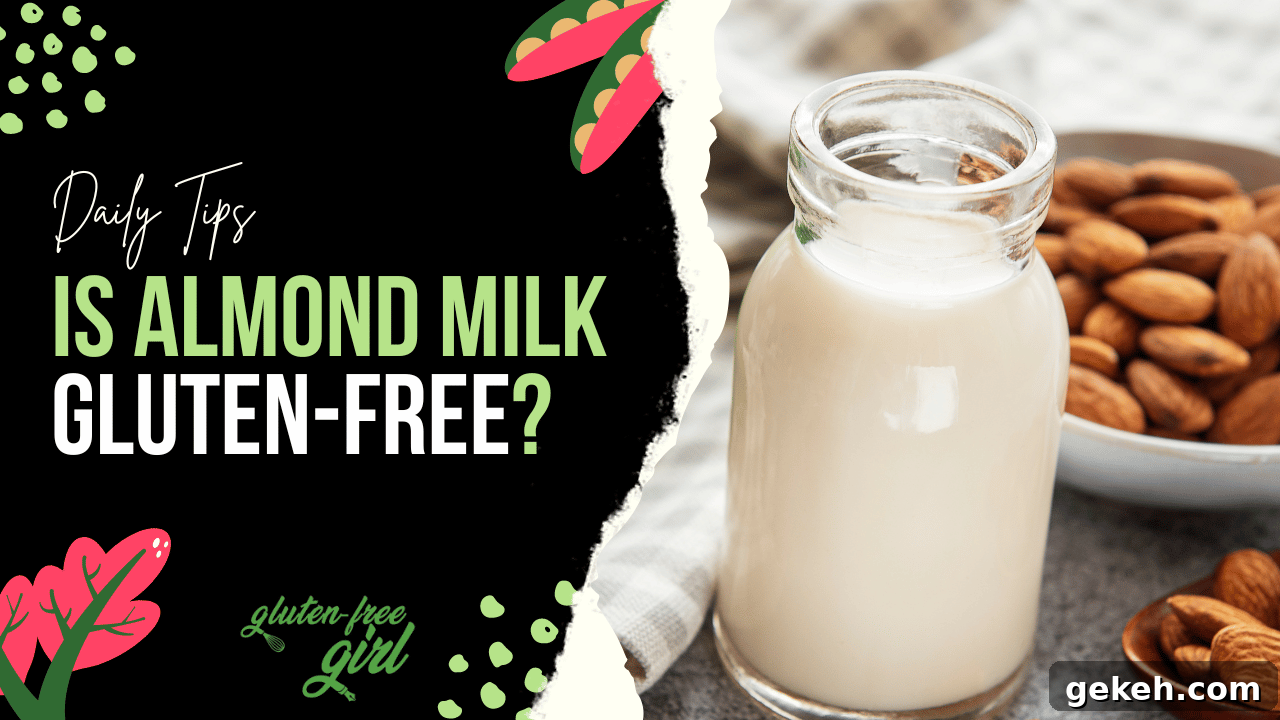
Yes, almond milk is gluten-free. Almond milk is made from almonds and water, so it contains no gluten naturally. Gluten is a protein found in grains such as wheat, barley, and rye; nuts like almonds are not a source of gluten. For people with celiac disease or non-celiac gluten sensitivity, almond milk offers a safe, plant-based alternative to dairy and grain-based milks.
For individuals with celiac disease, strict adherence to a gluten-free diet is essential to prevent intestinal damage and associated complications. Almond milk itself does not contain gluten and can be included in a gluten-free diet, but vigilance is necessary to avoid cross-contamination or added ingredients that may contain gluten.
Choosing gluten-free options like almond milk can also fit into broader dietary preferences aimed at reducing inflammation or following eating patterns such as the Paleo diet. Its versatility and mild, nutty flavor make almond milk a useful ingredient in many health-conscious meal plans.
Can a Patient with Celiac Drink Almond Milk?
Yes. Patients with celiac disease can generally drink almond milk because almonds do not contain gluten. Almond milk is a suitable dairy alternative for those who must avoid gluten. When selecting products, individuals should check labels to confirm that no gluten-containing additives or potential cross-contamination are present.
Gluten is a complex mixture of proteins—primarily gliadin and glutenin—that triggers an immune response in people with celiac disease, damaging the small intestine and causing nutrient malabsorption and other health problems. Replacing gluten-containing foods with naturally gluten-free options such as almond milk helps reduce these risks.
What Gluten-Free Recipes Can You Prepare with Almond Milk?
Almond milk is adaptable and works well in many gluten-free recipes. Examples include:
- Cream Almond Milk Soup: Use almond milk instead of dairy to create a silky vegetable soup with a subtle nutty sweetness.
- Almond Milk Smoothie: Blend almond milk with fruits, nuts, or honey for a dairy-free smoothie that highlights natural fruit flavors.
- Gluten-Free Almond Milk Pasta Sauce: Make a creamy sauce with almond milk and gluten-free thickeners or flours for a dairy-free pasta option.
- Baked Goods with Almond Milk: Almond milk can replace dairy in gluten-free cakes, bread, and muffins when combined with gluten-free flours like almond, rice, or coconut flour.
- Almond Milk Rice Pudding: Substitute almond milk for regular milk and flavor with vanilla, cinnamon, or citrus zest.
- Almond Milk Ice Cream: Use almond milk as the base for dairy-free, often gluten-free, ice creams—checking mix-ins for gluten-containing items.
- Almond Milk Chia Pudding: Mix almond milk with chia seeds for a nutritious, gluten-free breakfast or snack.
- Gluten-Free Almond Milk Pancakes: Combine almond milk with gluten-free flour blends to make light, fluffy pancakes.
Is Almond Milk Dairy-Free?
Yes. Almond milk is dairy-free because it is plant-based and contains no milk proteins. It is a popular choice for vegans and people with lactose intolerance. While almond milk itself is dairy- and gluten-free, consumers should check labels for potential cross-contamination or added ingredients that may introduce gluten or other allergens.
Almond milk is commonly used in gluten-free recipes and can substitute for dairy milk in baking, cooking, and beverages. When following both dairy-free and gluten-free diets, always verify the ingredients and production methods to ensure they meet both requirements.
How to Maintain Gluten-Free Status in Drinks Made with Almond Milk?
To keep almond milk drinks gluten-free, follow these steps:
- Choose almond milk labeled or certified gluten-free.
- Check all added ingredients—syrups, powders, and flavorings—for gluten-free certification.
- Avoid cross-contamination by using clean utensils and equipment that have not contacted gluten-containing foods.
- Where possible, prepare gluten-free drinks in a separate area or with dedicated tools in shared kitchens.
Cross-contamination occurs when gluten is unintentionally transferred from one food or tool to another. Simple practices—separate storage, clean tools, and careful ingredient checks—significantly reduce this risk.
Do Almond Milk-Based Pastries Typically Contain Gluten?
Often, yes. While almond milk does not contain gluten, many pastry recipes use wheat flour, which does. To make pastries gluten-free, replace wheat flour with gluten-free alternatives such as almond flour, rice flour, coconut flour, or a gluten-free all-purpose blend. Also verify that extracts, thickeners, and other additives are gluten-free, and prevent cross-contamination in the kitchen.
Whole almonds and almond-based ingredients are naturally gluten-free, but be mindful of processing and packaging—choose products from facilities that do not handle gluten-containing items when possible.
Is Commercial Almond Milk Free from Gluten?
Generally, yes. Most commercial almond milks are gluten-free because their base ingredients are almonds and water. However, some brands add thickeners, flavorings, or other additives that may contain gluten, or they may be produced in facilities that handle gluten-containing products. Read labels carefully and opt for certified gluten-free products when necessary.
Does Almond Milk-Based Ice Cream Usually Have Gluten?
Usually no, but it depends on added ingredients. Almond milk ice cream made with simple flavorings is typically gluten-free. However, varieties with cookie pieces, brownie chunks, or certain flavorings can contain gluten. Always check ingredient lists or packaging for gluten-free certification.
Are Alcoholic Beverages with Almond Milk Flavoring Gluten-Free?
They can be. Almond milk and almond flavors are naturally gluten-free, but the overall gluten status of an alcoholic beverage depends on the base spirit, added ingredients, and production process. Distilled spirits are generally considered gluten-free after distillation, but post-distillation additives or flavorings might introduce gluten. Check labels and ingredient lists when in doubt.
What Steps Can Prevent Gluten Contamination in Almond Milk Drinks?
Preventing gluten contamination involves:
- Selecting almond milk and all add-ins that are labeled gluten-free.
- Reading product labels and allergy statements carefully.
- Using separate utensils, storage, and preparation areas in shared kitchens.
- Asking about preparation methods when ordering almond milk beverages at cafés or restaurants.
Being cautious with mix-ins, syrups, and shared equipment helps avoid accidental gluten exposure.
Are Gluten-Free Ingredients Common in Almond Milk Desserts?
Yes. Many almond milk desserts are formulated to be gluten-free, and several brands produce labeled gluten-free dairy-free ice creams, puddings, and other treats. To be certain, look for a gluten-free label or certification, which typically means the product has been tested to meet accepted gluten-free thresholds (often under 20 ppm).
People with celiac disease should favor naturally gluten-free whole foods and verified gluten-free packaged products, and they should remain vigilant about cross-contamination when shopping and preparing meals.
Is Gluten Present in Almond Milk Custard?
No, not inherently. Almond milk custard made with almond milk, gluten-free thickeners like cornstarch or arrowroot, sweeteners, and flavorings such as vanilla or cinnamon is gluten-free. Always check each ingredient for gluten-free labeling and avoid pre-mixed powders or flavorings that may contain gluten. Use separate utensils and prep areas to prevent cross-contamination.
Do Baked Goods with Almond Milk Often Include Gluten?
They can. Almond milk does not add gluten, but traditional baked goods often include wheat flour. To make baked goods gluten-free, use alternatives such as almond flour, rice flour, or gluten-free flour blends. Ensure all other ingredients and additives are gluten-free and monitor for cross-contamination.
Is Gluten a Common Ingredient in Almond Milk Cake?
No, gluten is not a necessary ingredient in almond milk cake, but many standard cake recipes call for wheat flour. To keep a cake gluten-free, substitute with gluten-free flours such as almond flour, rice flour, or a gluten-free blend. Verify that any fillings, frostings, and decorations are also gluten-free.
Are All Almond Milk Food Products, Including Those Containing Starch, Gluten-Free?
Many almond milk products are gluten-free, but it depends on added ingredients and manufacturing practices. Common almond milk products and considerations include:
- Almond Milk Beverages: Typically gluten-free, but check for added ingredients and cross-contamination risks.
- Almond Milk Creamers: Often gluten-free, though some formulations use thickeners or flavorings that may contain gluten—read labels.
- Almond Milk Yogurt: Generally gluten-free, but verify production practices and ingredients.
- Almond Milk Ice Cream: Usually gluten-free unless it contains gluten-containing mix-ins or flavorings.
- Almond Milk with Added Starch: Often gluten-free, but confirm the starch source (some starches can be derived from wheat) and look for gluten-free certification.
When in doubt, choose products labeled gluten-free and inspect ingredient lists and manufacturing information to ensure they meet your dietary needs.