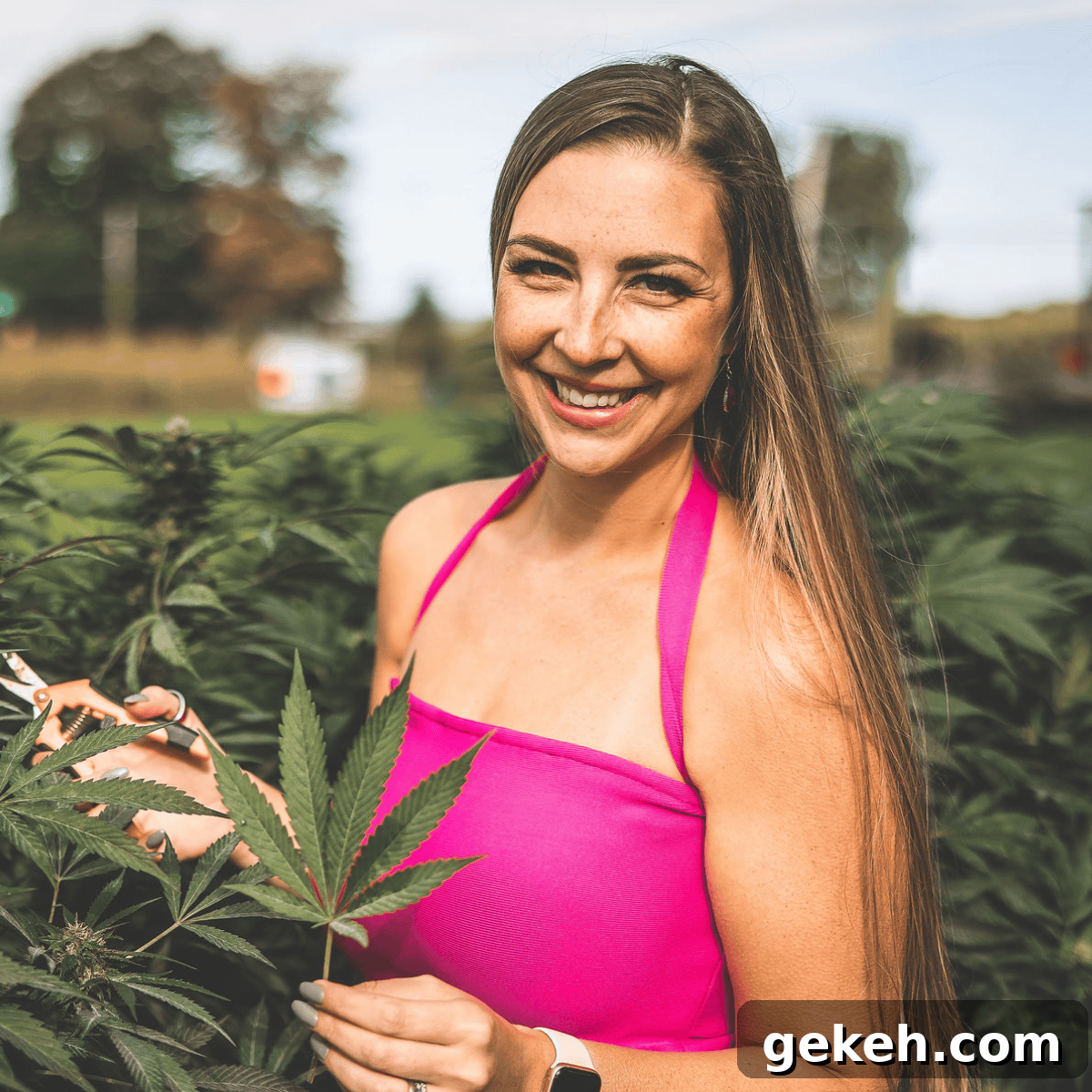
Thinking about growing your own cannabis plants but don’t know where to start? You’re in the right place. Whether you’re a home gardener curious about the process or a cannabis enthusiast ready to cultivate your own supply, this guide covers the essentials. You’ll learn how to pick the best location, set up your grow space, start from seeds or clones, and care for your plants so you can grow with confidence and enjoy the results.
Article Features
- Beginner-friendly tips and practical resources
- The essentials of growing cannabis at home
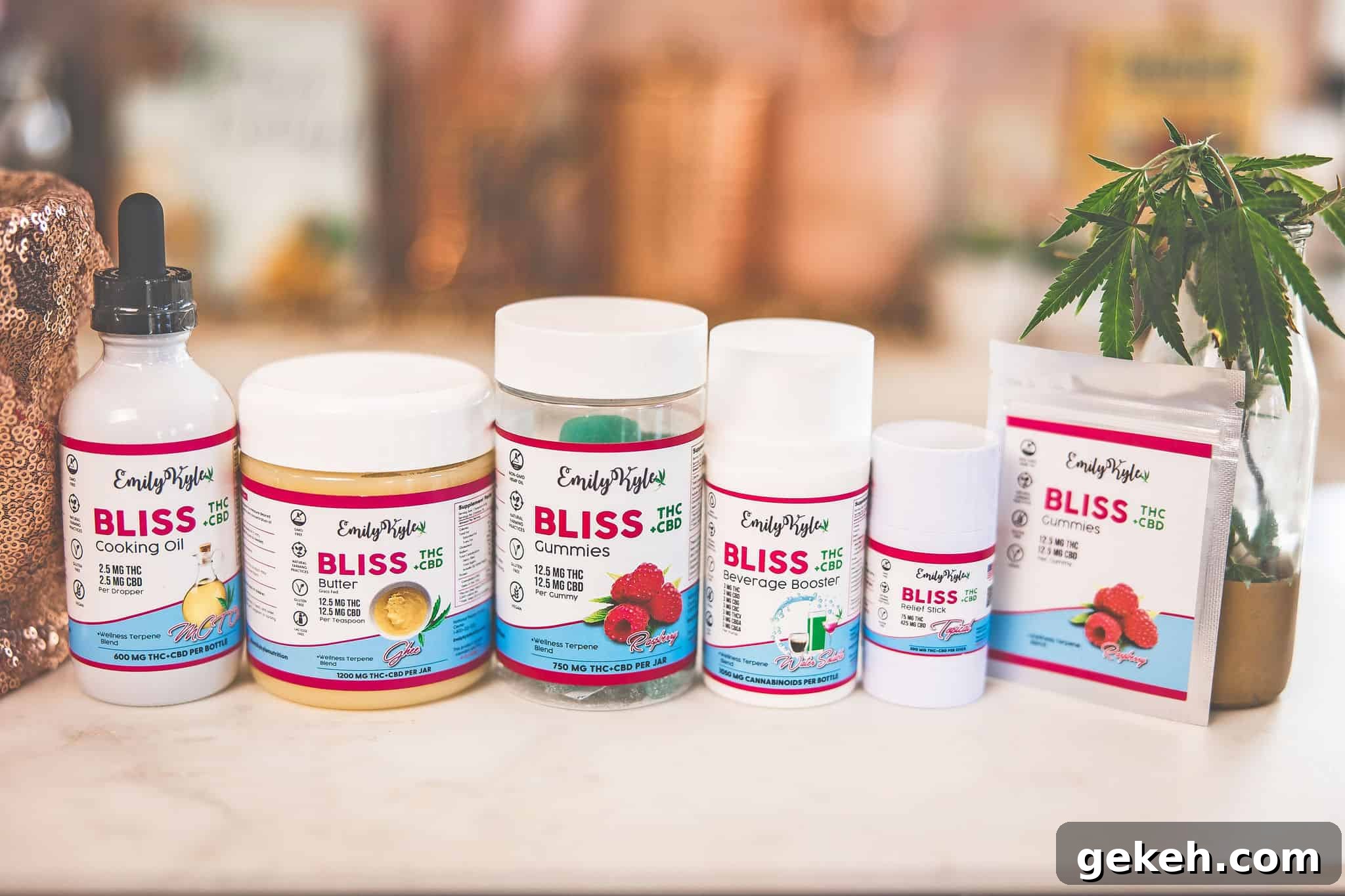
- Want to skip the hard work? Shop with me for premium, high-quality cannabis products delivered to your door! Now shipping across the US.
Why You Will Love This Guide
When I began growing cannabis at home five years ago, everything felt overwhelming. I didn’t know the difference between seeds and clones, and concepts like light cycles and nutrients were confusing.
Over time, through trial, error, and patience, I learned a lot—and I’m still learning.
Growing cannabis has become a passion because the process is as rewarding as the end result. Tending plants teaches patience, creativity, and the satisfaction of helping something thrive under your care.
I’m excited to share practical tips and lessons so you can enjoy the journey. Let’s get started.
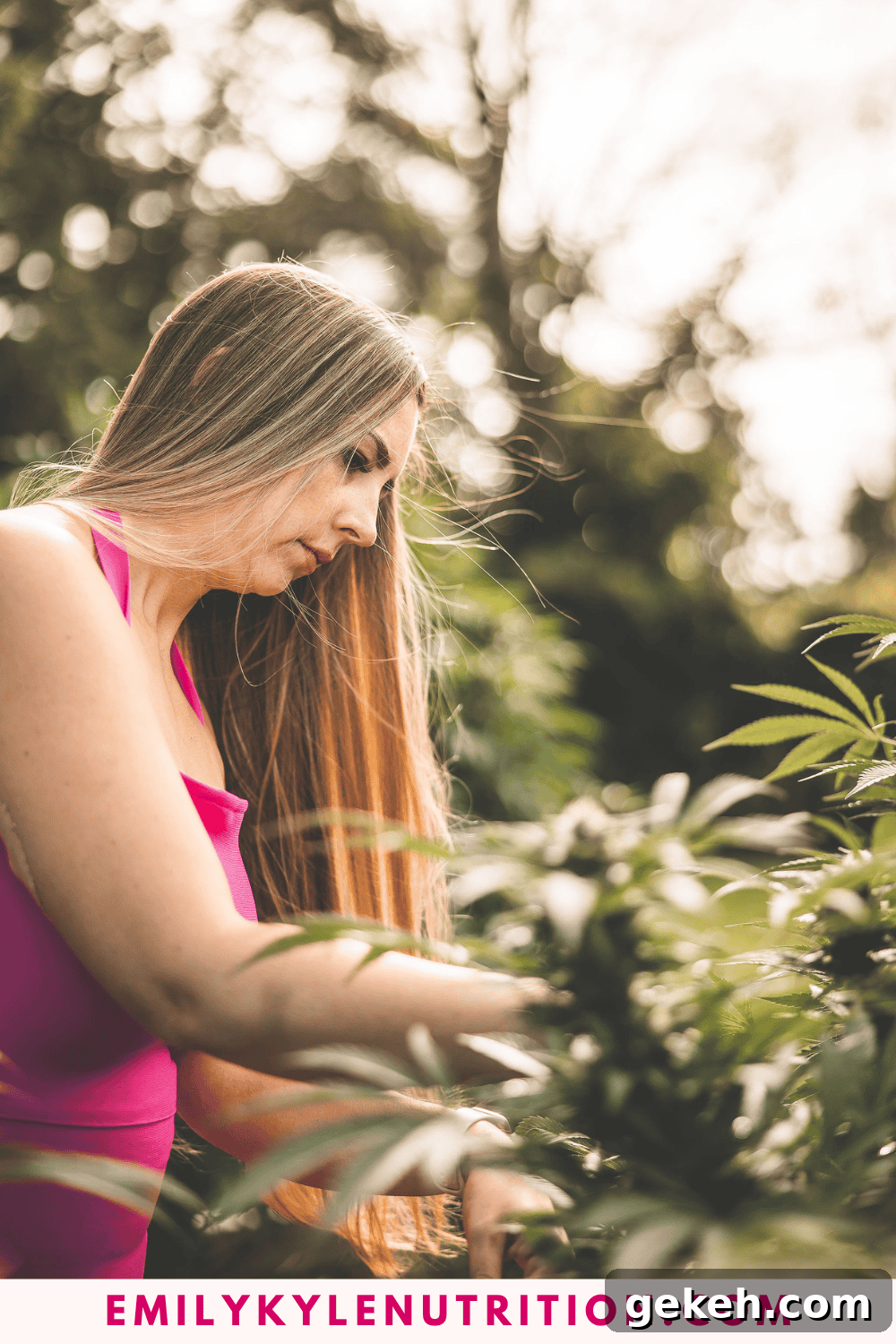
Choose the Perfect Location
One of the first choices is whether to grow outdoors in nature or indoors in a controlled environment. Each approach has benefits and trade-offs, so consider your climate, privacy needs, budget, and available space before deciding.
Growing Indoors
Indoor growing gives you control over temperature, light, and humidity. This is ideal if your local weather is unpredictable or if daylight hours are limited during part of the year.
Expect to invest in equipment like grow lights, ventilation, and possibly a grow tent to create consistent conditions.
Pros:
- Total environmental control
- Year-round growing is possible
- More discreet
Cons:
- Higher initial investment
- Requires dedicated space and equipment
Growing Outdoors
Outdoor growing relies on the sun and can be more cost-effective in areas with long sunny seasons, mild temperatures, and privacy.
Outdoor plants can produce larger yields but face risks like pests, weather extremes, and visibility to neighbors.
Pros:
- Lower startup costs
- Natural sunlight supports healthy growth
- Potential for larger plants and yields
Cons:
- Exposed to pests and harsh weather
- Seasonal limitations
- Harder to maintain privacy
🍃 Tip: While outdoor growing can be simpler, indoor setups give new growers more control and consistent results if you can afford the equipment.
Prepare the Growing Environment
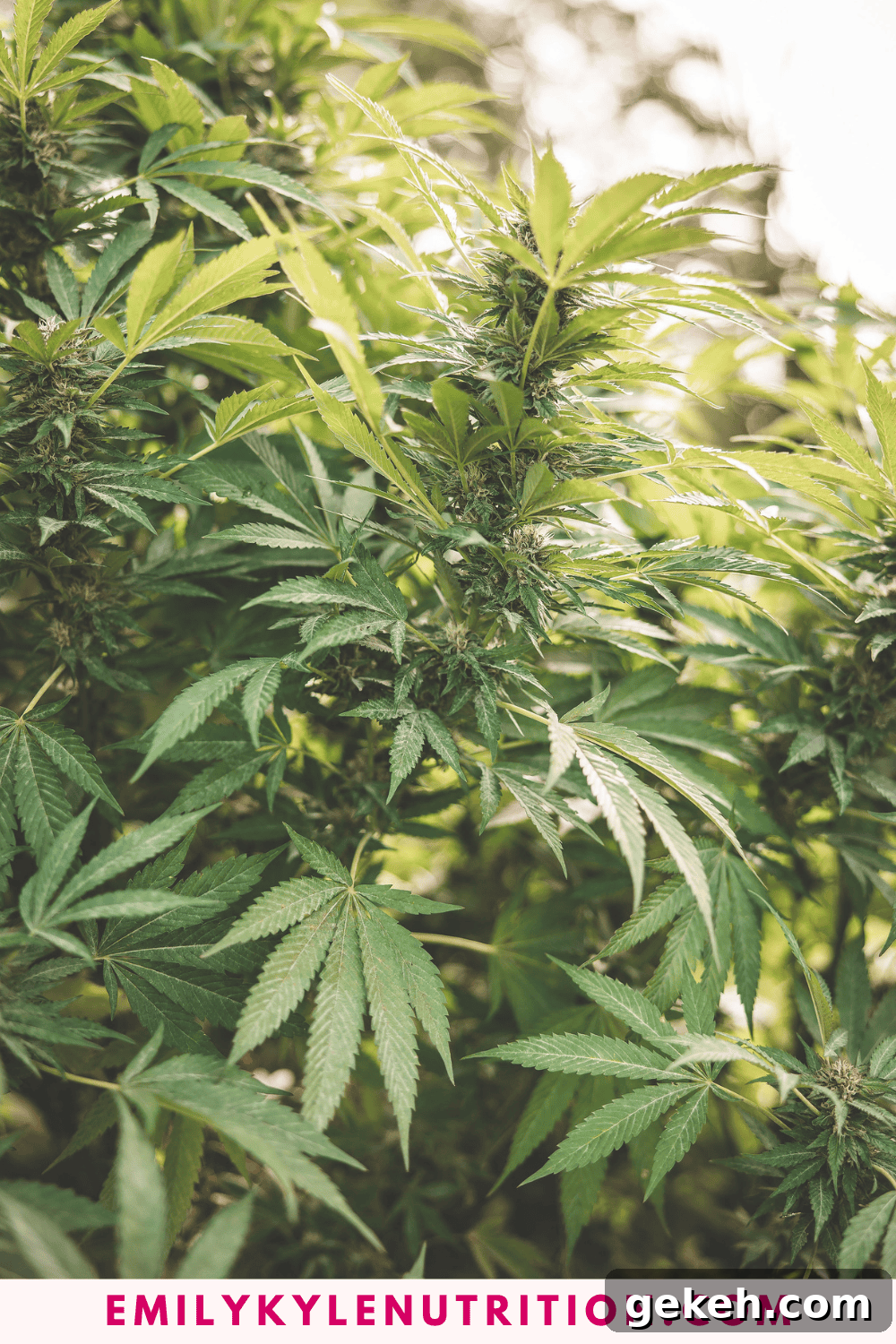
After choosing a location, prepare the space so plants have the right soil, light, water, and nutrients. These basics make the difference between struggling plants and a healthy crop.
Soil
For soil grows, select a well-aerated, nutrient-rich mix. Many growers use premixed “super soils” or amend potting soil with organic compost and worm castings for a balanced feed.
Indoor growers may consider hydroponics, which uses nutrient-rich water instead of soil. Hydroponics can accelerate growth but is more complex for beginners.
Sunlight (or Grow Lights)
Light is essential—plants typically need 12–18 hours of light daily during vegetative growth. Outdoors, pick a spot with 6–8 hours of direct sun. Indoors, invest in quality LED or HID lights that cover the full light spectrum.
Water
Keep soil consistently moist but not waterlogged. Overwatering is a common mistake and can cause root rot. Use pots with drainage and water according to pot size, soil mix, and plant needs.
Nutrients
Cannabis relies on nitrogen (N), phosphorus (P), and potassium (K), plus secondary nutrients and trace minerals. Beginners will find premixed cannabis nutrients convenient—follow label directions and avoid overfeeding.
🍃 Tip: Check soil pH regularly. Aim for 6.0–7.0 in soil and 5.5–6.5 in hydroponic systems for optimal nutrient uptake.
Starting with Seeds or Clones
With your space ready, choose whether to begin with seeds or clones. Both have advantages depending on your goals and experience level.
Growing from Seeds
Seeds come in many strains—Indica, Sativa, and hybrids—so you can choose characteristics like effect, flavor, and yield. Feminized seeds ensure female plants, which produce the smokable buds most growers want.
Seed Types
- Autoflower Seeds: These transition to flowering on a set schedule without changing light cycles. They’re beginner-friendly and grow faster, though often smaller.
- Photoperiod Seeds: These flower in response to light schedules. They can yield larger plants but require careful light control to trigger flowering.
🍃 Tip: Autoflowering seeds are often the easiest option for first-time growers, since they require less complex light management.
Growing from Clones
Clones are cuttings from a mature mother plant and are genetic copies of that plant. They let you skip germination and offer predictable traits, making them a good choice if you know the strain and quality you want.
Caring for Your Cannabis Plants
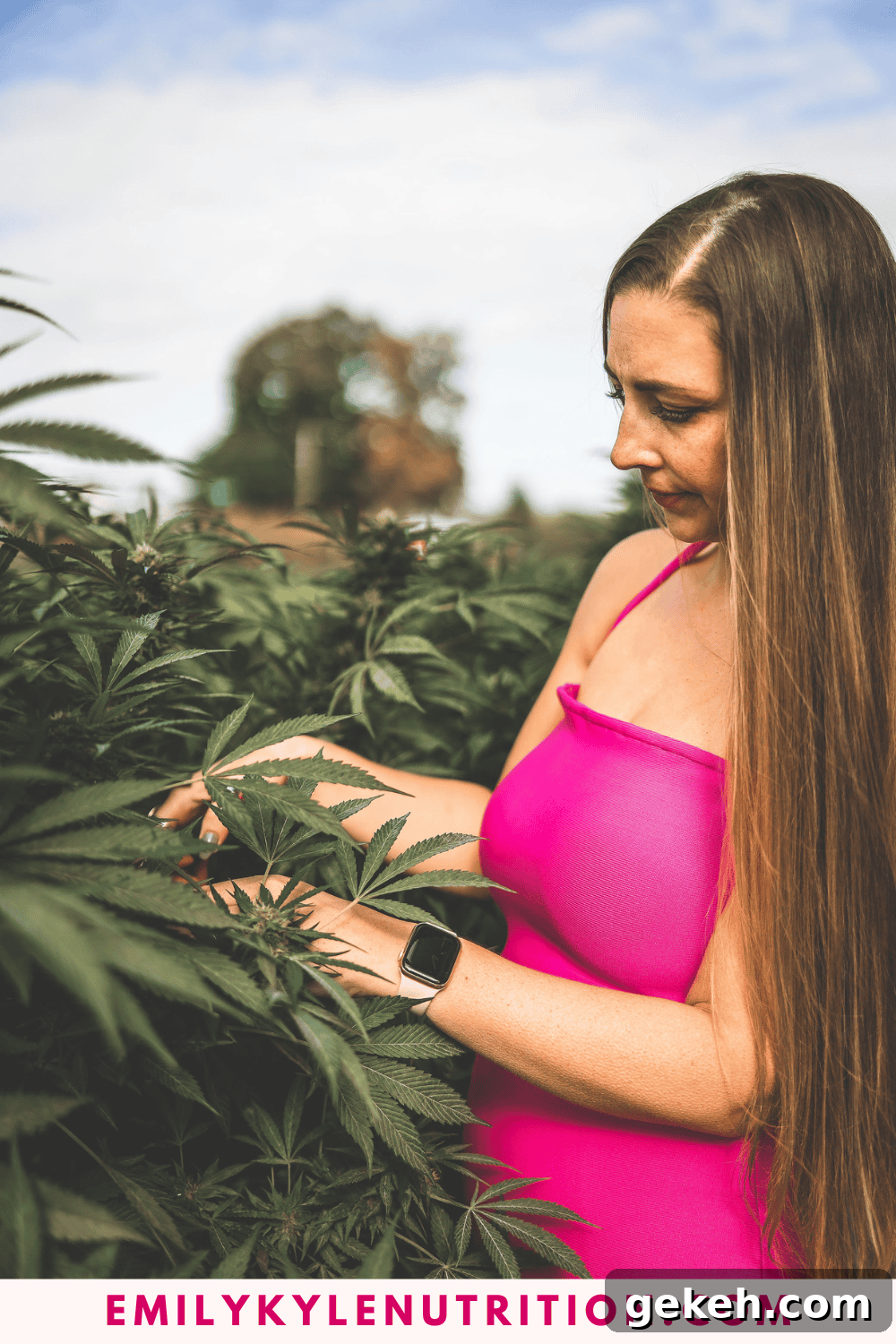
Once plants are established, consistent care through each growth stage will maximize health and yield. Here are the key points for each phase.
Vegetative Stage
During vegetative growth your plant develops stems and leaves. Provide plenty of light, good airflow to reduce mold risk, and a balanced nutrient regimen focused on nitrogen and overall vigor.
Flowering Stage
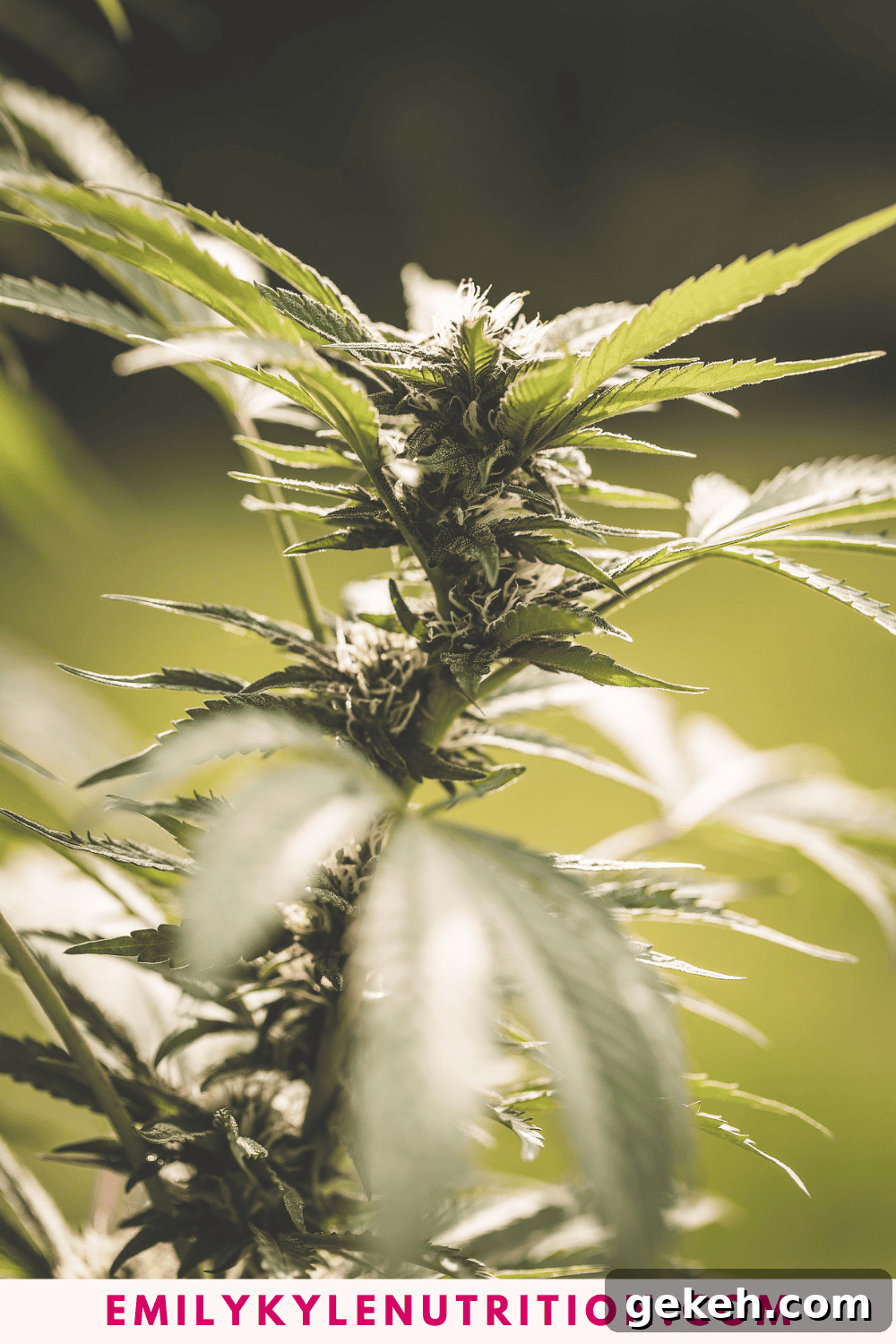
Flowering is when buds form. For photoperiod plants, flowering begins when daily light drops to roughly 12 hours. Switch to a nutrient mix higher in phosphorus and potassium to support bud formation.
Training Techniques: Low-Stress Training (LST) and other gentle shaping methods help expose more bud sites to light and can increase yields without stressing plants.
Common Problems to Watch For
- Pests: Spider mites, aphids, and caterpillars are common. Use preventative measures, neem oil, or beneficial insects where appropriate.
- Nutrient Issues: Yellowing leaves can indicate nutrient deficiencies; burnt tips usually mean overfeeding.
- Mold and Mildew: Maintain proper humidity and ventilation to prevent mold, especially during flowering.
Harvest Time
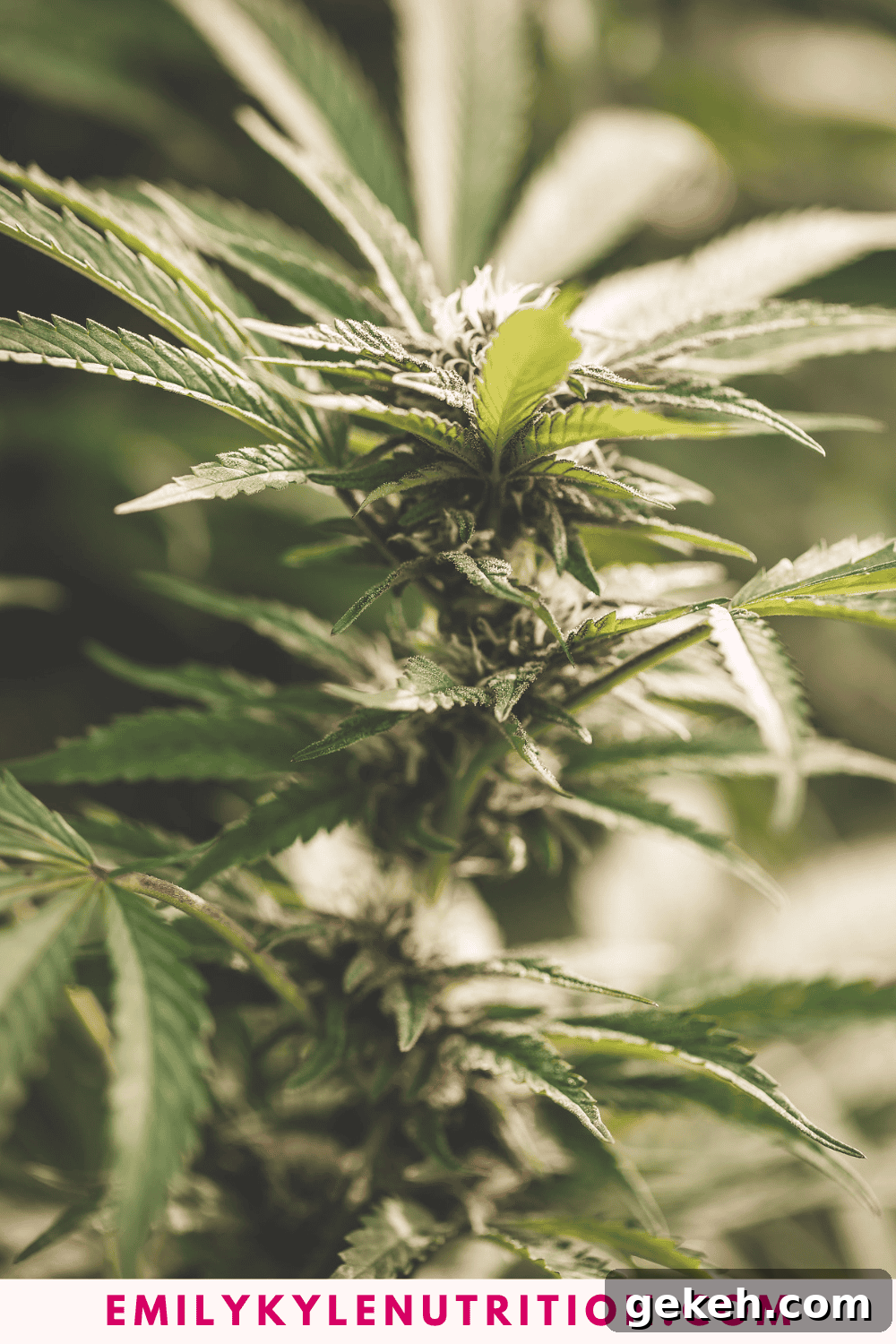
You’ll know it’s time to harvest when buds are dense, sticky, and covered in trichomes. Clear trichomes indicate it’s too early, cloudy trichomes usually mean peak potency, and amber trichomes can signal a more sedative effect.
Harvesting involves cutting branches, trimming buds, and drying them slowly in a cool, dark space. Proper drying and curing preserve potency, flavor, and aroma—rushing this step can reduce quality or cause mold.
Store dried buds in airtight containers in a stable, cool environment to maintain freshness over time.
Take the First Step Toward Growing Your Own
Growing your own cannabis is genuinely rewarding. With the right location, quality seeds or clones, and consistent care, even beginners can succeed and enjoy a satisfying harvest.
If you need help choosing seeds or setting up your space, start with small steps: pick an easy strain, set up basic lighting and ventilation, and learn as you go. Each season you’ll refine your skills and improve your results.
Need more guidance selecting seeds or preparing your grow area? Explore beginner resources and recommendations to help you get started. Happy growing and enjoy your harvest!
More Growing Resources for You
Growing Cannabis
Emily’s 10 Favorite Tools for Your Best Cannabis Harvest Yet
Growing Cannabis
Top 5 Benefits of Growing Cannabis Outdoors
Growing Cannabis
Auto-Flowering vs. Photoperiod: Choosing the Right Option for You
Growing Cannabis