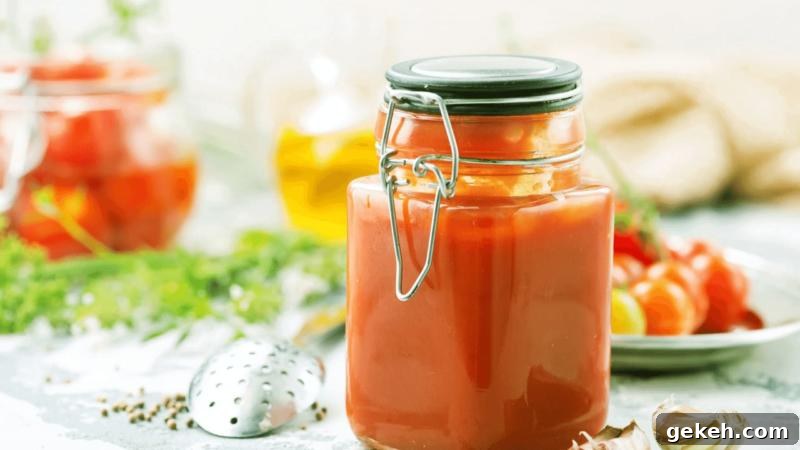
We all love tomato sauce.
It’s a pantry staple in many homes, especially those with children who reach for it at every meal.
Buying tomato sauce in bulk can be convenient and economical, ensuring you always have a backup when you need it.
But like any food, purchased or homemade tomato sauce has a shelf life and an expiry date. How long does unopened tomato sauce actually last? Let’s break it down.
Table of Contents
How Long Does Tomato Sauce Last Unopened?
Properly stored, unopened commercial tomato sauce will typically remain good for around two years. Once opened, most commercial sauces will keep for up to two weeks in the refrigerator and can be stored for around 18 months in the freezer. Homemade sauces vary: if preservatives are added, pantry storage can last up to a year, but homemade sauces without preservatives require more caution.
How Long Does Sauce Last When In A Jar?
Glass jars are the preferred choice for long-term storage. Tomato sauce kept in glass containers generally maintains quality longer than sauce stored in plastic. Store glass jars in a cool, dark, dry place away from heat and sunlight.
Plastic containers can degrade over time and may affect the sauce’s flavor and shelf life. If you must store sauce in plastic, expect a shorter usable life—often around 25% less than the equivalent stored in glass.
Storing Times For Tomato Sauce In A Can
Canned tomato sauce is formulated and packaged for a long shelf life. Unopened canned sauce, stored properly, can often last three to four years. The printed use-by or best-by date is a guideline for peak quality; the sauce may still be safe past this date if the can is intact and there are no signs of spoilage.
Always inspect cans for dents, bulges, rust, or leaks. If the can looks compromised, discard it.
Can I Freeze Tomato Sauce
Yes. Freezing is an excellent way to extend the life of both commercial and homemade sauces. Properly sealed, freezer-safe containers or bags will keep sauce at good quality for up to 18 months. Use leak-proof containers or well-sealed freezer bags to prevent messes and freezer burn. Portioning sauce before freezing makes thawing easier and reduces waste.
How Long Will Tomato Sauce Last Once It Has Been Opened?
After opening, store tomato sauce in the refrigerator and use within about two weeks for commercial products. Homemade sauces should be consumed more quickly—typically within a few days—unless frozen. Temperature changes can alter color slightly; that alone doesn’t mean the sauce has gone bad. Always check for smell, appearance, and taste before using.
Best Way To Store Unopened Tomato Sauce
To maximize shelf life, keep unopened tomato sauce in its original packaging and store it in a cool, dry, dark place—like a pantry or cupboard. The manufacturer’s sell-by or best-by date indicates how long the product should retain its best quality. If the date has passed, examine the sauce carefully before use: any foul odor, off taste, or visible spoilage means discard it.
What Are The Signs Of Rancid Tomato Sauce
Even sealed sauce can spoil under the right conditions. Common signs of rancidity or spoilage include:
– Noticeably darker color
– Strong acidic or unusual off-odors
– Separation, with watery liquid pooling on top
– Bitter or otherwise off taste
If you observe any of these signs, it’s safest to discard the sauce.
Conclusion
Tomato sauce is versatile and keeps well when stored correctly. Stocking up can save time and money, but proper storage and routine inspection are essential to avoid foodborne illness. When in doubt—if the sauce smells off, looks unusual, or the packaging is damaged—throw it away.
Frequently Asked Questions About Storing Tomato Sauce
How Long Does Unopened Tomato Sauce Last When At Room Temperature?
Unopened tomato sauce typically lasts between 18 and 24 months at room temperature when stored in a cool, dark place. It may still be usable beyond that if it shows no signs of spoilage.
Can I Use Tomato Sauce After The Expiry Date?
Yes, many non-perishable items like tomato sauce remain safe to eat after the printed date, as those dates often indicate peak quality rather than safety. Always perform a sight, smell, and small taste check before using sauce past its date, and discard it if anything seems off.